
How Much Does Blown-In Insulation Cost in Union City?
Blown-In Insulation services in Union City, CA typically cost between $1,800 and $4,200 for a standard attic, with most single-family homes landing in the $2,200 to $3,400 range depending on attic size, current insulation depth, and whether air sealing is completed first. Jobs that include a full attic air seal before insulation is added run toward the higher end – and that sequencing matters, because blowing insulation over unsealed top plates and can lights traps conditioned air loss underneath the new material.
Blown-In Insulation Cost Breakdown (2026)
The table below reflects what homeowners in Union City and the surrounding Alameda County corridor – Fremont, Newark, Hayward – are actually paying in 2026. These are installed prices, written before work starts, covering labor, materials, and post-job documentation.
| Scope of Work | Typical Price Range (Installed) |
|---|---|
| Attic top-up only (adding R-19 to existing R-11), 1,000-1,200 sq ft | $900 – $1,400 |
| Full attic blown-in to R-38, 1,000-1,200 sq ft (no prior air sealing) | $1,800 – $2,600 |
| Full attic blown-in to R-38, 1,400-1,800 sq ft | $2,200 – $3,400 |
| Full attic blown-in to R-49, 1,400-1,800 sq ft | $2,800 – $4,000 |
| Attic air sealing (top plates, can lights, penetrations) before insulation | $600 – $1,200 (added to insulation job) |
| Insulation removal and replacement (full attic, 1,400-1,800 sq ft) | $3,200 – $5,500 |
| Blown-in wall insulation (dense-pack, per 100 sq ft of wall cavity) | $300 – $550 |
| Blower-door test – before and after, documented with readings | Included on applicable jobs at Envelope Insulation Co. |
A few things drive those ranges. Material is the first variable: cellulose (made largely from recycled paper) runs slightly lower per bag than fiberglass loose-fill from manufacturers like Owens Corning, Johns Manville, or Knauf, though fiberglass holds its R-value better in the damp marine air that sits over Union City in winter and early spring. Attic configuration is the second variable – a crawlable attic with good hatch access takes less labor than an attic with knee walls, low ridge height, or HVAC equipment in the way. And depth matters: California’s Title 24 energy code calls for R-38 at minimum in Climate Zone 3, which covers Union City; many post-2010 homes already have some insulation on the floor and need a top-up rather than a full install, which cuts the job cost meaningfully.
What tends to surprise homeowners is the air-sealing line item. At Envelope Insulation Co., air sealing of top plates, penetrations, recessed can lights, and chase openings is a hard prerequisite – not an optional upsell – before any blown-in material goes in. The reason is straightforward: a blower-door test – a pressurization reading that shows, in one number, how much conditioned air the building envelope is losing – will tell you exactly how much your attic floor was leaking before and after the seal. That before-and-after number, published on every applicable job, is what makes the investment legible. Wes Okafor has been running these tests since Envelope opened in 2016, and the before/after delta in a typical Union City ranch house with original can lights and unsealed top plates is rarely less than 30 percent.
What Affects Blown-In Insulation Pricing in Union City
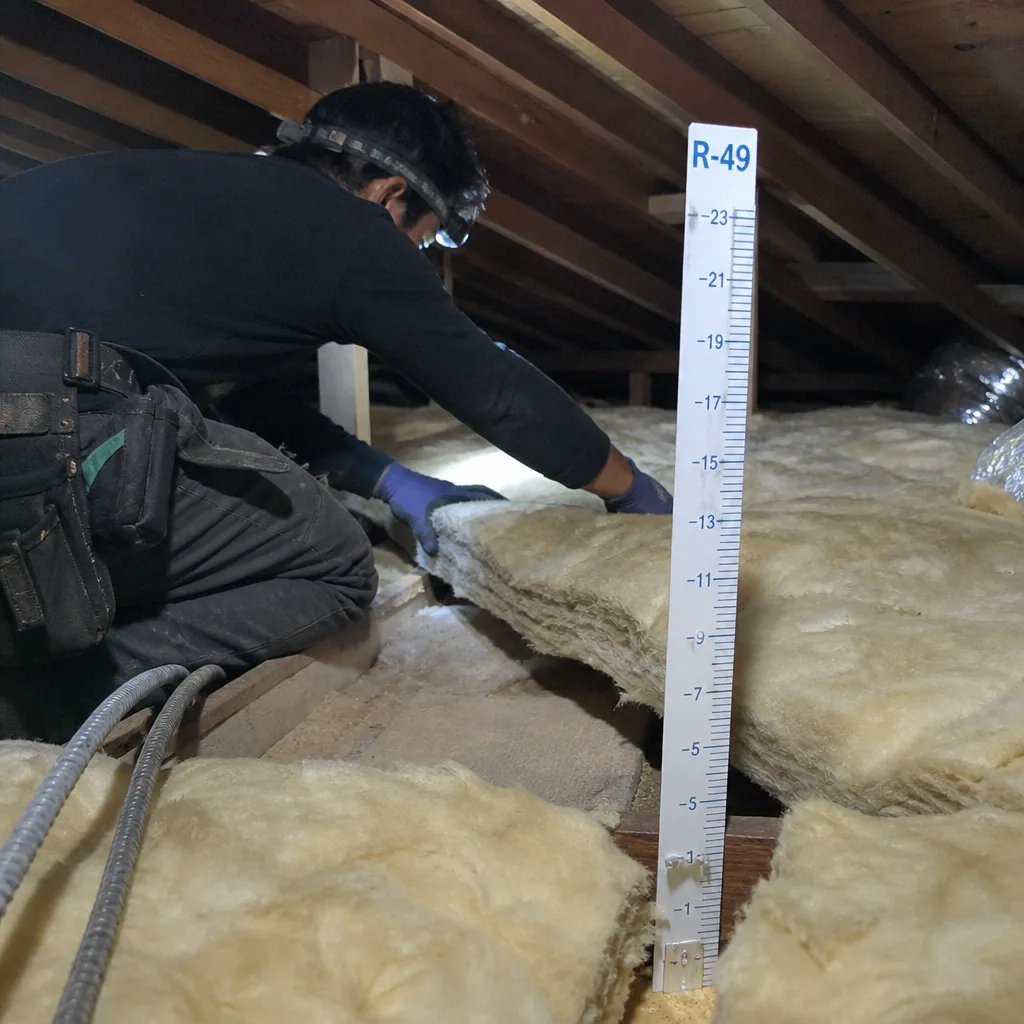
- Attic square footage and configuration. Most Union City homes built between 1960 and 1985 – the tract neighborhoods around Decoto Road and the Union Landing corridor – run between 1,100 and 1,600 sq ft of attic floor. Larger footprints mean more material and more labor time, but the per-square-foot cost usually drops slightly as the job scales. Low-clearance areas, however, add time regardless of size.
- Current insulation depth and condition. An attic sitting at R-11 or R-13 (roughly 3 to 4 inches of existing fiberglass batt) needs significantly more material to reach R-38 than one already at R-19. If existing insulation is contaminated with rodent activity or moisture damage, removal is necessary before new material goes in – and that changes the project scope and price entirely.
- Air sealing scope before the blow. Union City homes near the Dumbarton corridor see more HVAC cycling pressure than inland homes because bay wind loads shift throughout the day. That cycling accelerates air infiltration through unsealed top plates. The number of recessed can lights, plumbing chases, and electrical penetrations in a given attic floor determines how long sealing takes – which is why we look at the attic before we write the price, not after.
- Material choice: cellulose vs. fiberglass loose-fill. Both are appropriate for Union City’s Climate Zone 3 conditions. Cellulose (GreenFiber is one common source) has a slightly higher recycled content and settles a small percentage over time, so installers overshoot the target depth to account for it. Fiberglass loose-fill from Owens Corning or Johns Manville is dimensionally stable and handles the moisture cycling the Bay Area produces without settling. Your written price will specify which material and to what settled depth.
- Access and attic obstacles. HVAC ducts, dropped-ceiling areas above bathrooms, and knee walls all slow a crew down. A clean, open attic over a single-story home in the Alvarado neighborhood might take half the labor hours of a split-level on the hillside portions near the Union City BART station where the attic geometry follows the roof pitch in two different planes.
- California Title 24 compliance and local permit requirements. Alameda County building permits are not always required for attic insulation top-ups, but they are required when the scope includes significant air-sealing work on conditioned spaces or when the job is part of a larger energy upgrade. We’ll tell you upfront what applies to your address – before the price is written, not after the job is done.
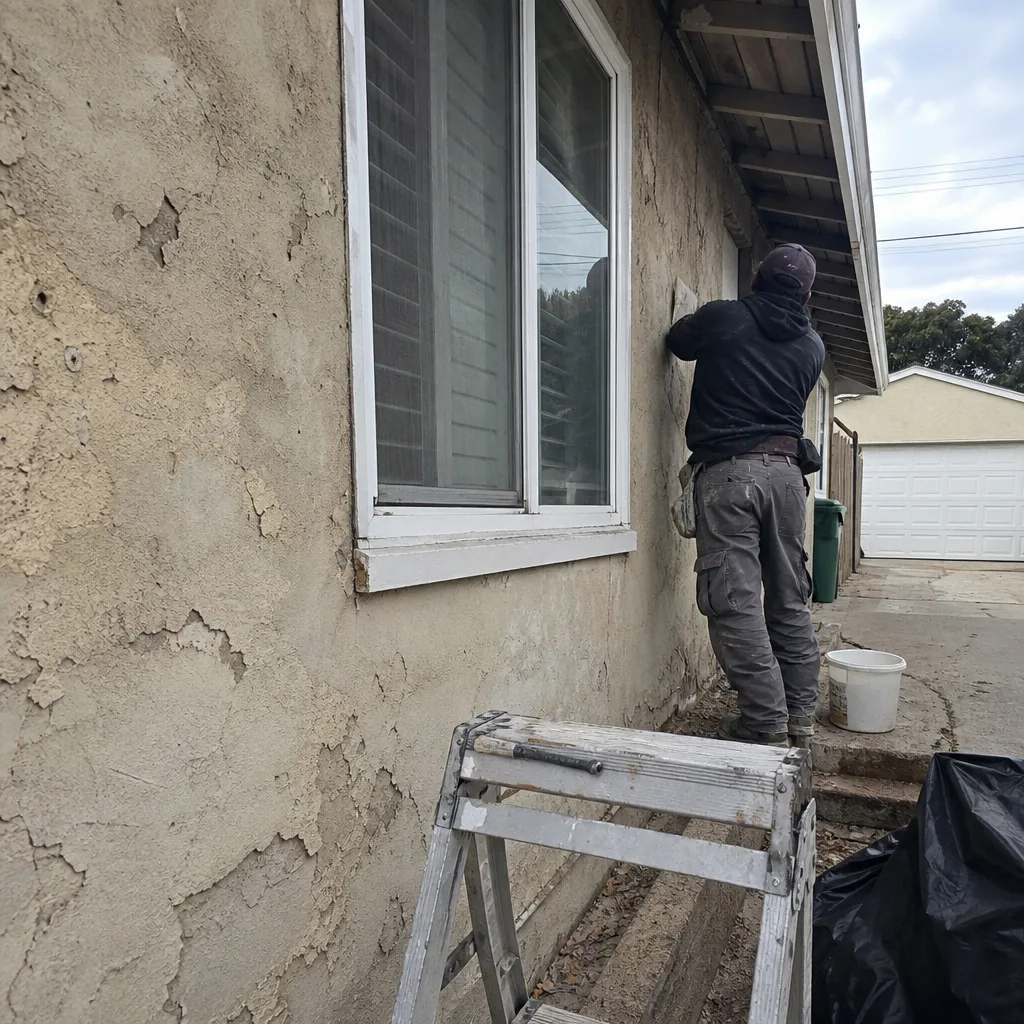 Before
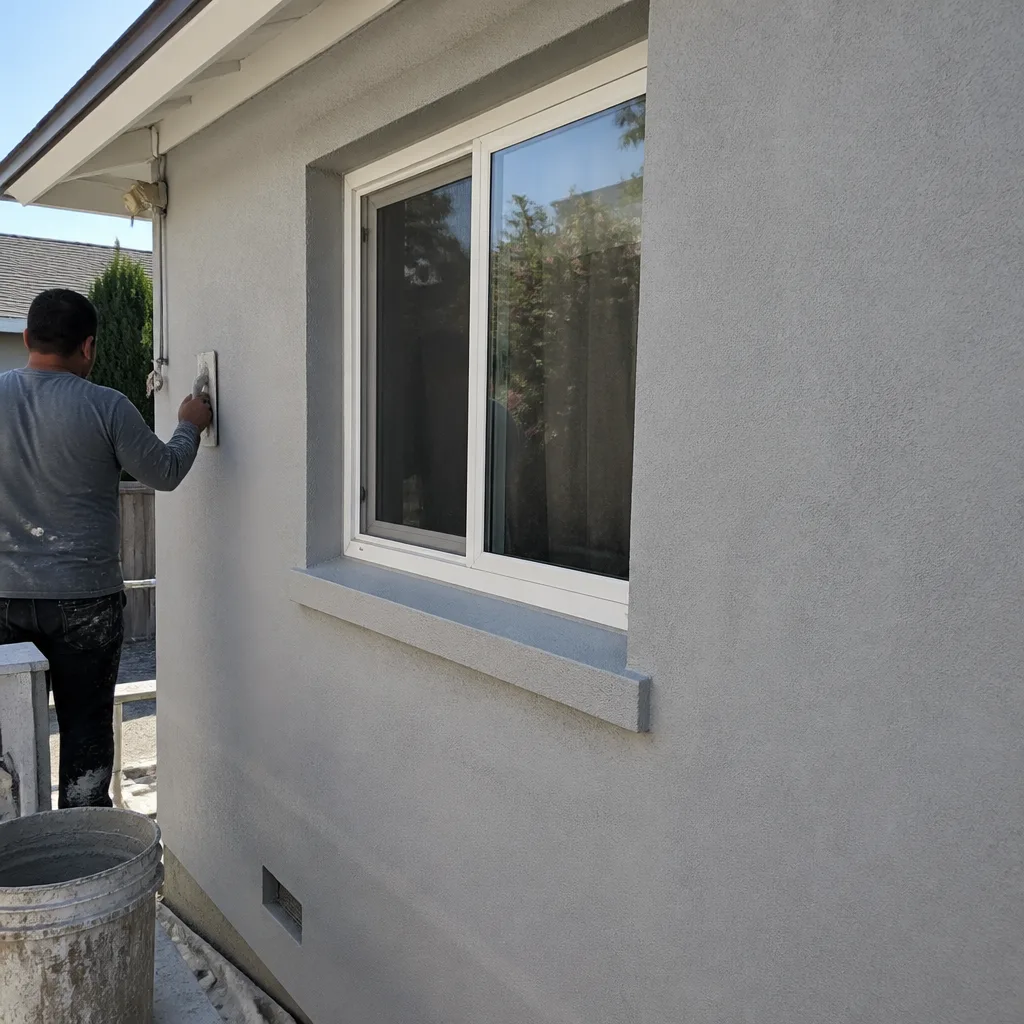 After
AfterHow to Save on Blown-In Insulation in Union City
Start with the California Energy Upgrade CA rebate programs
PG&E and BayREN both offer rebates for qualifying insulation upgrades in Alameda County. As of 2026, BayREN’s Home+ program has offered up to $1,500 for attic insulation combined with air sealing when installed by a participating contractor. These programs change – check bayrenenergy.org for current amounts before you schedule. What doesn’t change is that rebates almost always require documentation: a before-and-after blower-door reading, photos of the installed depth, and a written scope. Those are included on every Envelope Insulation Co. job under the Haven Standard, so the paperwork side of a rebate application is handled before you ask for it.
Combine air sealing and insulation in a single visit
Scheduling air sealing and blown-in insulation as a single mobilization saves on labor costs compared to two separate trips. The crew that seals the attic floor can hand off directly to the blow crew the same day – no second visit charge, no remobilization. When jobs are bundled this way in Union City, the combined price is generally 10 to 15 percent lower than the sum of two independent quotes.
Get a written scope before agreeing to anything
Under Haven Standard Clause 1, every estimate from Envelope Insulation Co. is a flat price with a written scope and a written warranty – delivered before anyone lifts a tool. That matters when you are comparing quotes, because a lower bid that omits air sealing, specifies a thinner settled depth, or uses unlisted materials will look cheaper on paper and underperform in the home. Compare apples to apples: ask every contractor for the settled R-value in writing, the specific material and manufacturer, and whether air sealing is included or quoted separately.
Use the free second opinion
If you have a written estimate from another contractor, bring it to us. We’ll read it with you – line by line – and tell you what is included, what is missing, and whether the price reflects the Union City market. There is no obligation and no pressure. Call (650) 381-1512 to schedule.
Avoid the “blow only” shortcut
Some contractors will quote an insulation-only job at a lower price by skipping air sealing. In the short term, that looks like savings. In Union City, where bay-influenced temperature swings put consistent pressure on the building envelope, an unsealed attic floor with new insulation on top will still leak conditioned air through every can light and top-plate gap – you just won’t be able to see it. The blower-door number won’t move much, and your energy bills will reflect that. Doing it right once costs less than doing it twice.
What You Receive When the Job Is Done
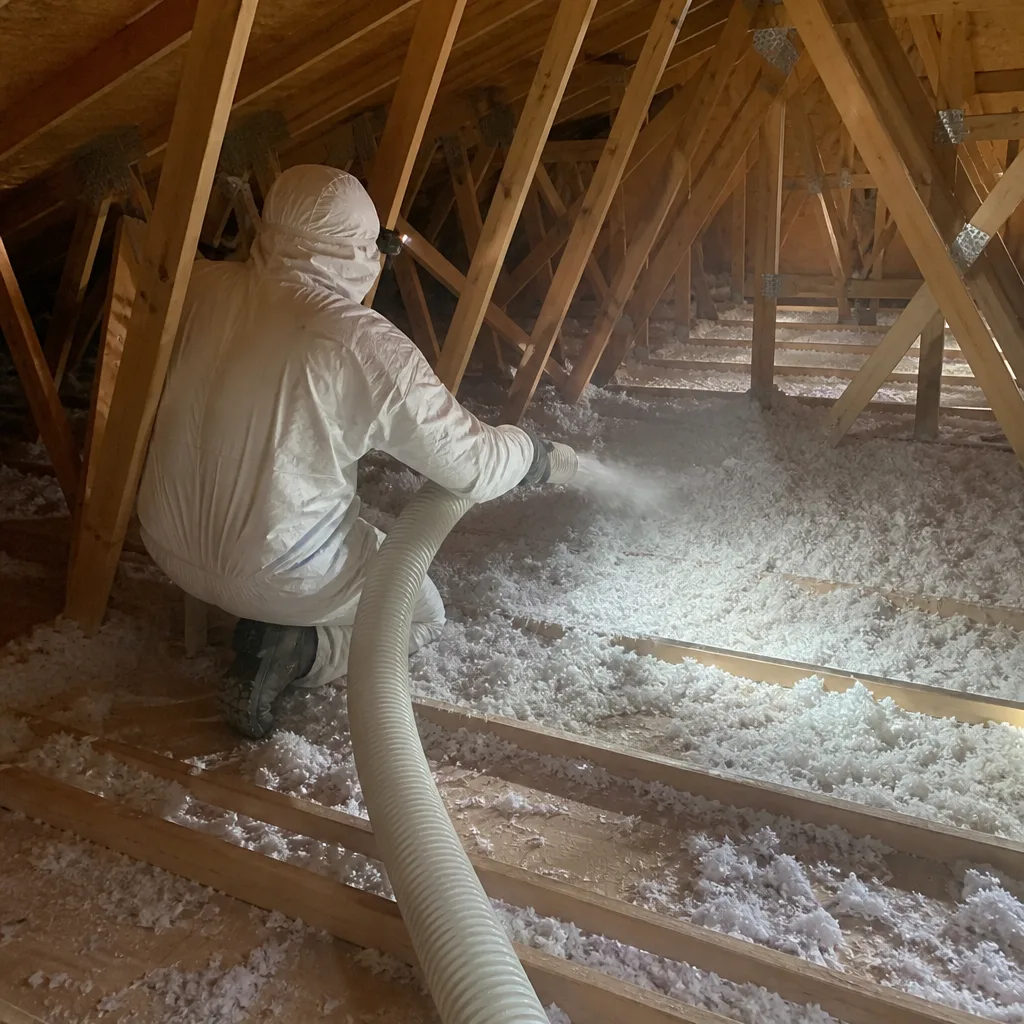
At Envelope Insulation Co., the job isn’t complete when the crew packs up. Under the Haven Standard, every completed blown-in insulation job in Union City includes:
- A Documented Photo Record – photos of the attic before and after, showing settled depth at multiple measurement points across the floor.
- Before-and-after blower-door readings on any job that includes attic air sealing – a CFM50 number before the seal and a CFM50 number after, so you know in a single figure what changed.
- A written warranty covering the scope of work, with the 365-Day Done Right Promise attached: if it’s not right, we make it right.
- The written price you agreed to before any work started – unchanged unless you changed the scope.
Nine thousand-plus homes in the Bay Area have gone through this process since 2016. The documentation isn’t a bonus feature – it’s the baseline. Wes Okafor built the company around the idea that a homeowner should be able to verify what they paid for, not just trust that it happened.
Union City-Specific Conditions That Affect Insulation Performance
Union City sits at the edge of the bay in a climate zone that produces more moisture cycling than most inland East Bay cities. Fog burns off slowly in the Alvarado flats, and the morning temperature differential between outside and attic space is enough to drive condensation risk in poorly sealed attics. In the neighborhoods between Dyer Street and the Quarry Lakes area, we regularly see original fiberglass batts that have absorbed enough ambient moisture over 30 or 40 years that their effective R-value has degraded below what was installed. A batt that reads R-11 when dry may perform at R-7 or R-8 after decades of moisture exposure – which means a top-up calculation based on the labeled value rather than the actual condition will leave the homeowner short of the performance they expected.
The hillside sections of Union City near the BART station area also see slightly higher wind-driven infiltration loads than the flat neighborhoods closer to the bay. Top plates in those homes are under more sustained air-pressure differential, and small gaps that would be minor elsewhere are more consequential there. That’s not an argument for a more expensive job automatically – it’s an argument for a blower-door reading before and after so you know what you actually got.
For homeowners considering Blown-In Insulation in Union City, the sequencing of air seal before insulation is the single highest-leverage decision. Everything else – material choice, R-value target, bag count – is secondary to making sure the floor is tight before the insulation goes in.
How Blown-In Insulation Is Priced: Per Square Foot vs. Per Job
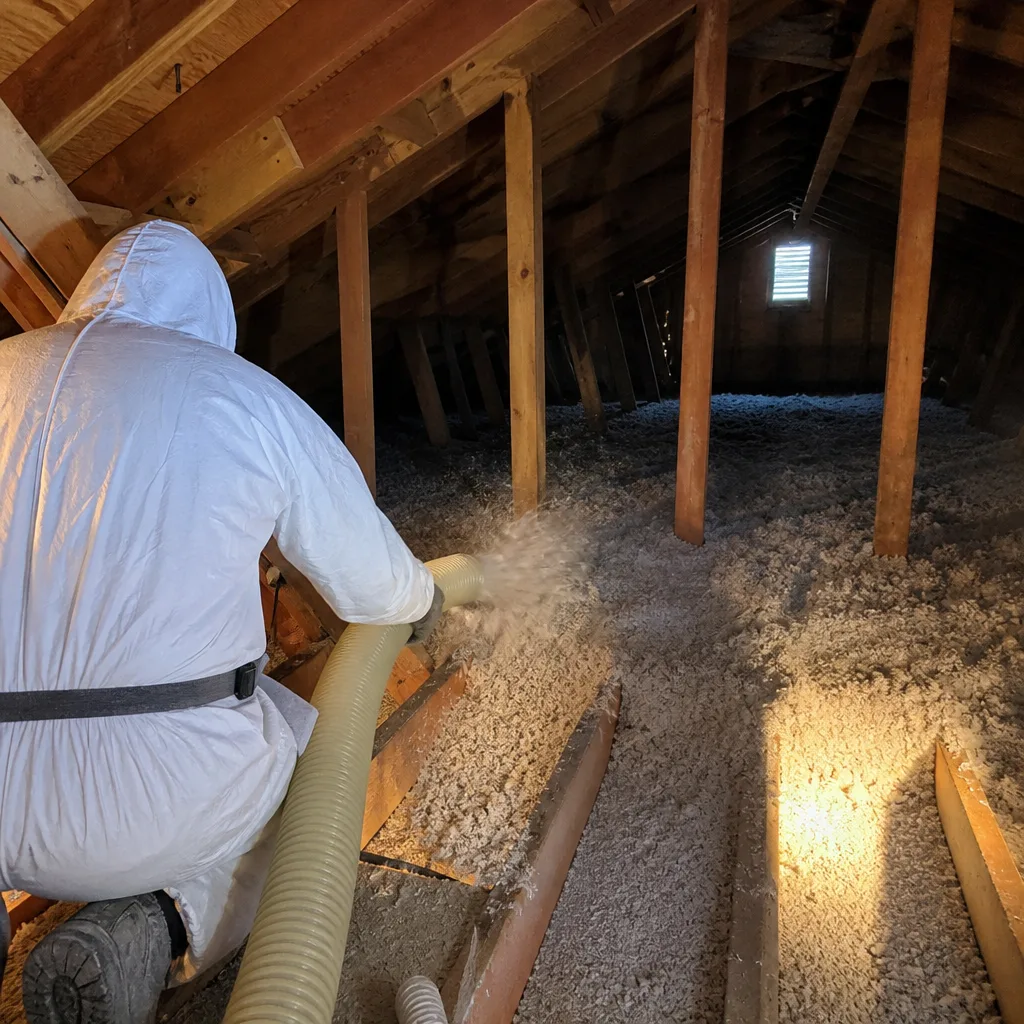
Contractors price blown-in insulation two different ways, and knowing the difference helps you read a quote accurately.
The per-square-foot model quotes a rate against the attic floor area – typically between $1.50 and $3.50 per square foot in the Union City market, depending on material, target R-value, and whether air sealing is bundled in. At $2.00 per square foot for a 1,500 sq ft attic, that’s $3,000 before any air-sealing work. At $1.50, it’s $2,250. The number sounds simple, but it obscures what’s included: is that to R-38 or R-30? Cellulose or fiberglass? Sealed or unsealed?
The per-job flat-price model specifies a dollar amount for a defined scope – material, manufacturer, target settled depth, air-sealing inclusions, and warranty terms. That’s what you get under Haven Standard Clause 1: a flat price, written scope, and written warranty before anyone starts. It’s easier to compare quotes that way because the scope is explicit.
When you’re comparing bids, ask for the settled R-value in writing. Blown-in fiberglass and cellulose both compress slightly after installation – the settled depth (what you measure six months later) is what determines your actual R-value, not the initial blow depth. A contractor who doesn’t specify settled depth in the written scope is leaving you without a way to verify the job after the fact.
Insulation Removal Before Blown-In: When It’s Necessary and What It Costs
Some Union City attics need old insulation removed before new material goes in. The situations that require it:
- Rodent activity has contaminated the existing insulation with nesting material, urine, or feces – both a health concern and a performance issue, since compressed or wet insulation loses R-value.
- Moisture intrusion from a past roof leak has caused the existing insulation to mat or mold.
- Vermiculite or older mineral-based insulation is present and needs testing before it can be disturbed.
- The existing depth is so irregular (often from a DIY installation) that a fresh start produces a more predictable result than a top-up.
Removal in Union City for a 1,400 to 1,800 sq ft attic typically runs $1,200 to $2,200 as a standalone scope, depending on access, contamination level, and whether HEPA vacuuming is required. When combined with a full re-install to R-38, the total project usually falls between $3,200 and $5,500. That’s a meaningful number, and it’s also the right move when the existing material is compromised – putting new insulation over contaminated old material doesn’t fix the problem, it covers it.
The Documented Photo Record on removal jobs includes before photos of the existing condition, photos of the cleared attic floor showing the deck and any damage found, and after photos showing the new installed depth. If we find something during removal that changes the scope, we stop and write a revised price before continuing – that’s Haven Standard, not a policy we apply selectively.
FAQs – Blown-In Insulation Cost in Union City
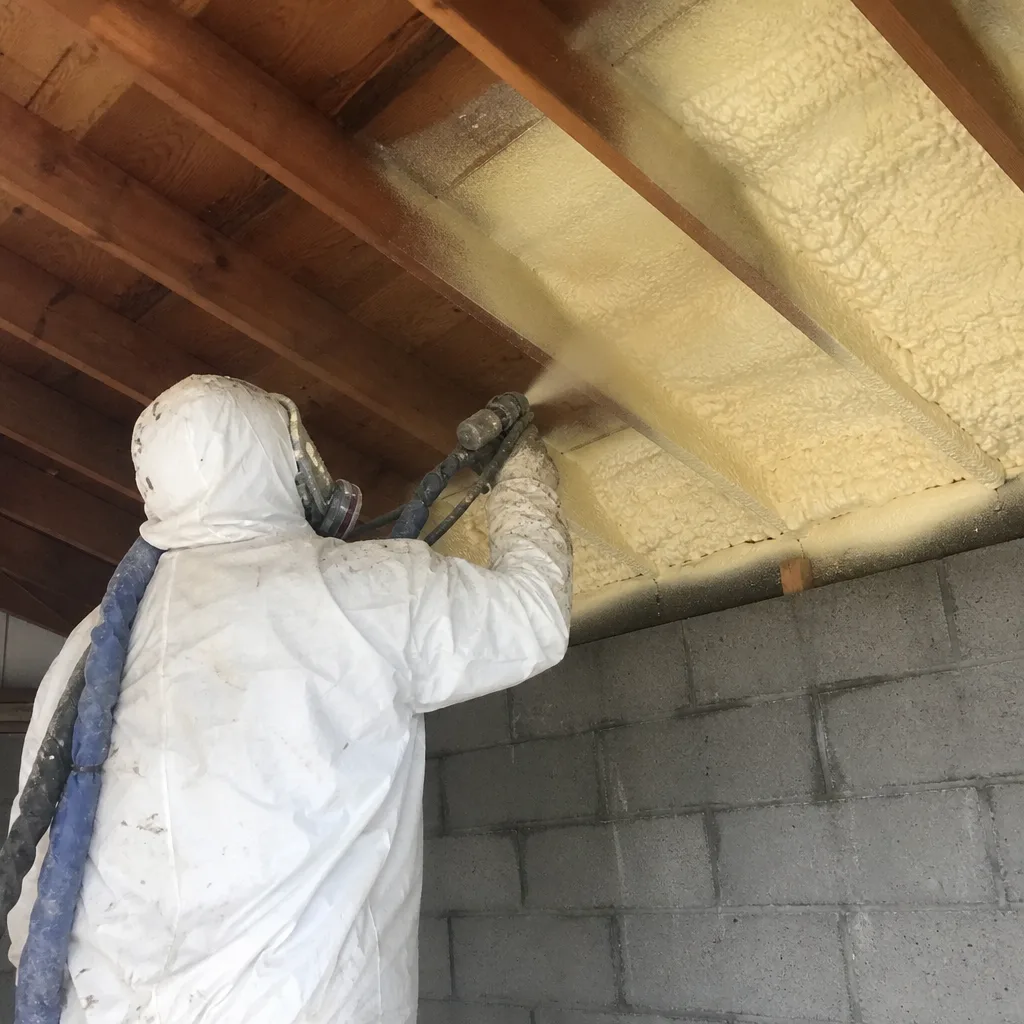
How much does blown-in insulation cost in Union City, CA in 2026?
Most single-family homes in Union City pay between $1,800 and $4,200 for a full attic blown-in insulation job, with the most common range for a 1,400-1,800 sq ft attic landing between $2,200 and $3,400. Jobs that include attic air sealing before the blow run toward the higher end of that range – typically adding $600 to $1,200 – but that’s the scope that produces a measurable performance change on a blower-door test. Top-up jobs on attics that already have some insulation run $900 to $1,400 for the same size range. Call (650) 381-1512 for a written price specific to your address – estimates are free and come with a written scope before any work is agreed to.
Is blown-in insulation cheaper than batt insulation?
For attic floors, blown-in loose-fill is generally 10 to 20 percent less expensive per square foot than batt insulation when both are installed to the same R-value, primarily because the labor is faster and the material covers irregularities in the attic floor more completely. In Union City homes with older framing, truss configurations, or existing partial coverage, blown-in almost always outperforms batt on both cost and air-sealing compatibility. Batt insulation is better suited to new construction cavities where the framing is clean and accessible – retrofits almost always favor the blown-in approach.
Does blown-in insulation require a permit in Union City?
Attic insulation top-ups in Union City typically do not require a building permit under Alameda County residential code when they don’t involve structural changes or alterations to conditioned space. However, jobs that include significant air-sealing work affecting the building envelope, or that are part of a larger energy efficiency upgrade under a utility rebate program, may trigger permit requirements or inspection steps. We review permit requirements for your specific address before writing the price – you won’t find out after the job that you needed one.
How long does blown-in insulation installation take in Union City?
A full attic blown-in insulation job on a 1,400-1,800 sq ft home in Union City typically takes 4 to 8 hours for a two-person crew, including setup, air sealing (if included in the scope), the blow itself, and cleanup. Jobs that require removal of old insulation first add 3 to 5 hours depending on contamination level and access. In nearly all cases, the entire project is completed in a single day – there’s no staged second visit for the blow after the seal, because the air-sealing crew and the insulation crew coordinate the same mobilization.
Can I get a rebate for blown-in insulation in Union City?
Yes. Union City homeowners can access rebates through BayREN’s Home+ program and PG&E’s energy efficiency incentives – combined amounts have reached $1,000 to $1,500 for qualifying attic insulation and air sealing projects as of 2026, though program funding levels and income-qualification tiers change. Qualifying typically requires before-and-after blower-door documentation and photos of the installed depth. Both of those are included on every applicable Envelope Insulation Co. job under the Haven Standard, so the documentation is ready when you apply. Call (650) 381-1512 to discuss what your project might qualify for before you schedule.
Is it worth getting blown-in insulation in Union City’s climate?
In a word: yes, specifically because of Union City’s climate. The bay-influenced temperature differential between morning and afternoon, the marine moisture that moves through the Alvarado corridor, and the sustained wind loads near the BART station area all put pressure on the building envelope year-round. A home at R-11 or R-13 in this climate is losing conditioned air continuously – the blower-door reading on an unsealed 1960s Union City ranch house typically comes in above 3,500 CFM50 before any work is done. After air sealing and a blown-in top-up to R-38, that number regularly drops below 2,200. That delta shows up in energy bills within the first full HVAC season. Visit our home page to see the full range of building-envelope services that can be combined with blown-in insulation for the best outcome.
Key Takeaways
- Blown-in insulation in Union City runs $1,800 to $4,200 installed for most single-family attics, with the typical range for a 1,400-1,800 sq ft home at $2,200 to $3,400.
- Air sealing before insulation is not optional if you want the blower-door number to move – and the before-and-after reading is what tells you whether you got what you paid for.
- California Title 24 in Climate Zone 3 (Union City) calls for R-38 minimum; many homes in the Alvarado and Decoto Road neighborhoods sit well below that today.
- BayREN and PG&E rebates can offset $1,000 to $1,500 of project cost for qualifying homes – but they require documented proof of installation, which is included on every Envelope Insulation Co. job.
- Every written price from Envelope Insulation Co. is a flat price with a written scope and written warranty before work starts – Haven Standard Clause 1, no exceptions.
- The 365-Day Done Right Promise covers all completed work: if it’s not right, Wes Okafor’s team makes it right.
Get a Written Price for Your Union City Home
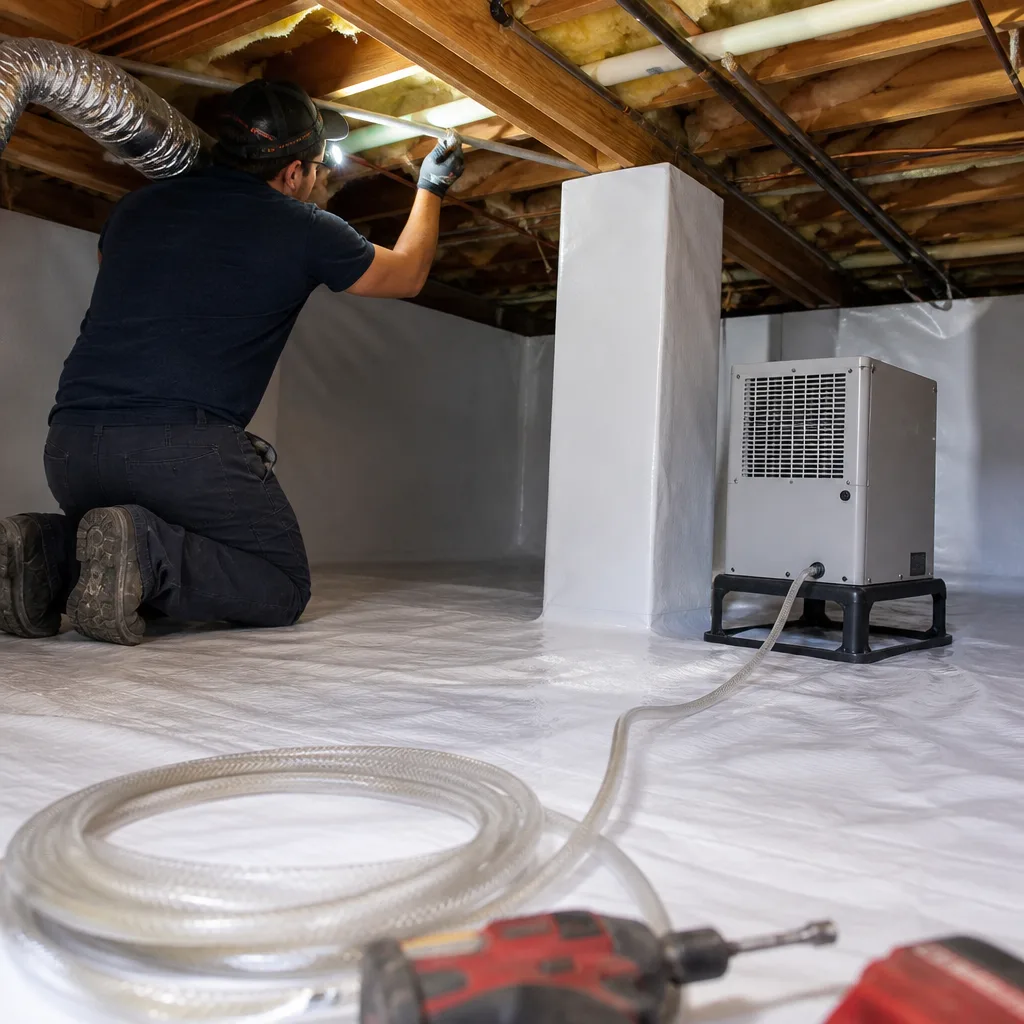
If you are ready to see what your attic actually needs – and what it will cost, in writing, before anyone touches a tool – call (650) 381-1512. A live person answers, not a voicemail queue. We’ll schedule a visit, read the attic, and hand you a flat written price with a full scope and warranty before you decide anything. If you have a written quote from another contractor, bring it – we’ll read it with you at no charge under our Free Second Opinion offer.
Wes Okafor and the Envelope Insulation Co. team have completed this process for more than 9,000 homes across the Bay Area since 2016. The estimate is free. The price is written. The work doesn’t start until you say so.
Pricing reflects the Union City market as of 2026. Topside Attic Insulation Union City offers free estimates – call (650) 381-1512.
Written by Wes Okafor, Owner at Envelope Insulation Co., serving Union City, CA since 2016.
What Our Customers Say
"The winter gas bill dropped by about a third. They had estimated a quarter, so they under-promised."
- Genevieve R."They air-sealed the attic floor before insulating and showed me the blower-door number before and after. The upstairs is finally the same temperature as downstairs."
- Marisol D."Two other companies quoted to blow more insulation on top of what was there. These were the only ones who said the existing material had to come out first, and explained why."
- Clifford E.