
How Much Does Radiant Barrier Installation Cost in Union City?
Radiant barrier installation in Union City, CA typically runs between $1,400 and $3,200 for a standard single-story home with an attic between 1,000 and 2,000 square feet. Most homeowners in Union City pay around $1,800 to $2,400 when the attic is accessible, clean, and doesn’t require air sealing or insulation removal before the foil goes up. If your attic needs prep work first – and many do, especially in homes built before 1995 – expect the total project cost to sit closer to the upper end of that range.
Radiant Barrier Installation Cost Breakdown (2026)
The table below reflects what we see in the Union City market as of 2026. Prices vary based on attic size, accessibility, and whether air sealing or prep work is required before installation.
| Line Item | Typical Cost Range | Notes |
|---|---|---|
| Radiant barrier material (foil sheeting) | $0.15 – $0.40 per sq ft | Perforated foil for ventilated attics is standard in Bay Area climates |
| Labor – standard attic (under 1,500 sq ft) | $600 – $1,000 | Accessible pull-down stair access, no obstacles |
| Labor – larger attic (1,500 – 2,500 sq ft) | $900 – $1,500 | Multi-section attics common in older Decoto-area ranch homes |
| Attic air sealing (if needed before installation) | $400 – $950 | Top plates, can lights, penetrations – completed before any barrier goes in |
| Insulation removal (if required) | $500 – $1,400 | Necessary when existing insulation is damaged, compressed, or rodent-contaminated |
| Full project (barrier + air sealing, no removal) | $1,400 – $3,200 | Most common project type in Union City |
| Full project (barrier + air sealing + insulation removal) | $2,200 – $4,600 | Older homes with degraded or contaminated insulation |
What the Numbers Actually Mean for a Union City Home
Union City sits in the Tri-Cities corridor of Alameda County, where summer temperatures in neighborhoods like Alvarado and the Decoto district can push into the high 80s and low 90s while marine fog keeps coastal zones cooler. That temperature swing is exactly why radiant barriers earn their keep here – attic temperatures in south- and west-facing roofs regularly exceed 130 degrees Fahrenheit on hot afternoons, and that radiant heat load is what a foil barrier is designed to reflect before it reaches your ceiling insulation.
The single biggest variable in your quote is attic condition. A clean, accessible attic in a 1990s townhome near Union Landing can be done start to finish in four to five hours. An older ranch-style home in the Alvarado district with a low-pitch roof, compressed fiberglass batts, and rodent debris on the attic floor is a two-day job. That difference accounts for most of the spread between the low and high ends of the ranges above.
One thing we won’t do: install a radiant barrier over an unsealed attic floor. Under The Haven Standard, air sealing of top plates, can lights, and all penetrations is completed first – always. If a contractor skips that step, they’re locking heat-conducting air leaks behind a reflective layer, which reduces the barrier’s effectiveness and leaves your home’s biggest energy loss point untouched. We’ve seen that done before, and the blower-door numbers prove it doesn’t work.
What Affects Radiant Barrier Installation Pricing in Union City
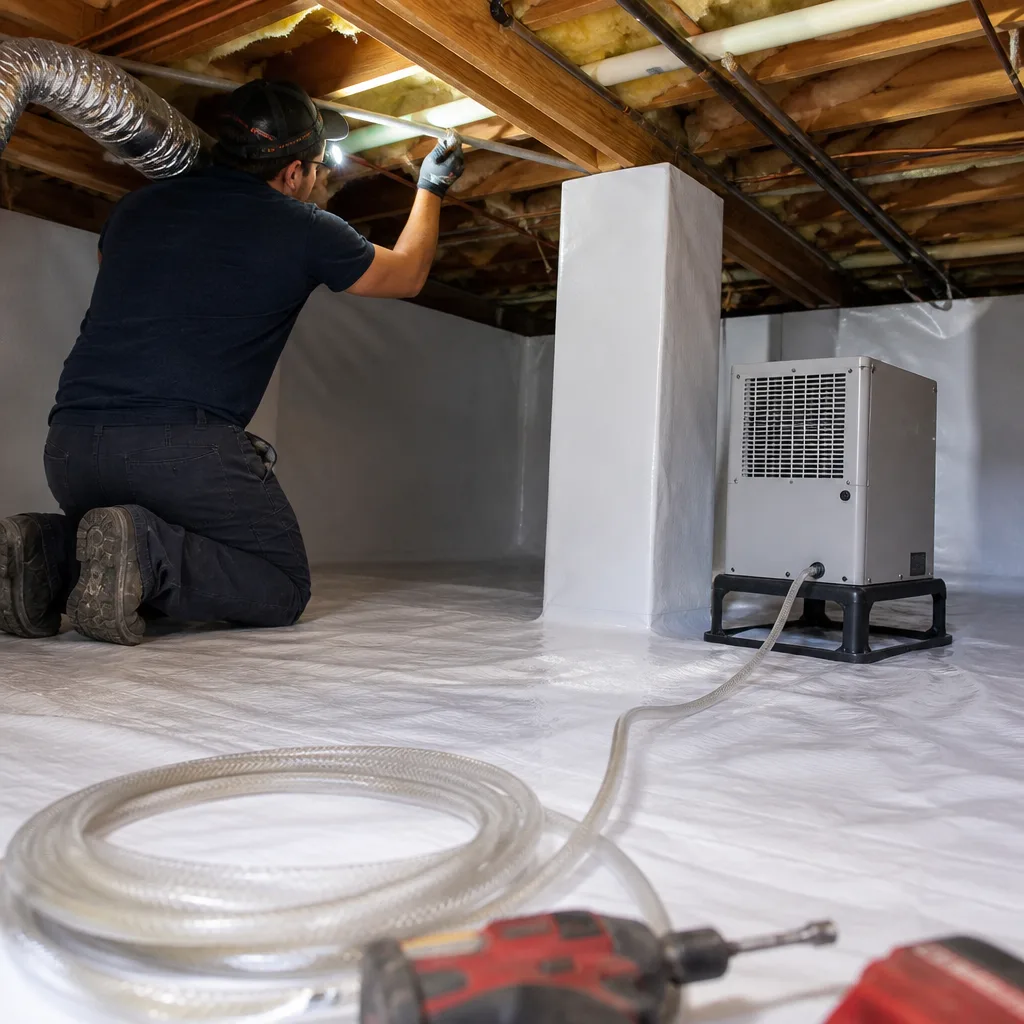
- Attic square footage and layout: Larger attics cost more – that’s straightforward. But layout matters almost as much as size. Union City has a mix of 1960s and 1970s ranch homes with low-pitch hipped roofs and tight knee-wall sections, and these take longer to work through than a simple gable-end attic. Expect a 15-25% labor premium on attics with complex geometry or limited clearance.
- Roof pitch and access: Steeper pitches mean more walking surface but better headroom; very low pitches (under 4:12) mean a technician is crawling through sections rather than walking upright. Most attics in the Alvarado and Decoto neighborhoods fall in the 3:12 to 5:12 range – workable but not fast.
- Whether air sealing is required first: This is where a lot of quotes look different from what homeowners expect. Air sealing – closing gaps at top plates, recessed can lights, electrical penetrations, and HVAC boots – runs $400 to $950 separately, but it has to happen before the barrier goes in. We build it into the written scope upfront so there are no add-ons on install day.
- Existing insulation condition: If your current insulation is performing well and is properly installed, the radiant barrier goes on top without disruption. If it’s rodent-contaminated, compressed below half its original thickness, or wet-damaged (a real concern in Union City homes near the Coyote Hills watershed where attic condensation events happen), removal and replacement adds significant cost before the barrier can be installed correctly.
- Foil type and coverage method: Perforated foil stapled to the rafters is the most common installation in ventilated attics – it lets moisture vapor escape and doesn’t create condensation traps. Solid foil costs slightly less per square foot but isn’t appropriate for all attic configurations. The method affects both material cost and how long the installation takes per square foot.
- Permit requirements in Alameda County: Most radiant barrier installations in Union City do not require a building permit when the work is limited to the barrier itself and doesn’t alter structural elements. However, if your project includes replacing existing insulation or making significant HVAC modifications in the attic, a permit may apply. We assess this during the initial walkthrough and include it in the written scope – nothing gets decided on the job site.
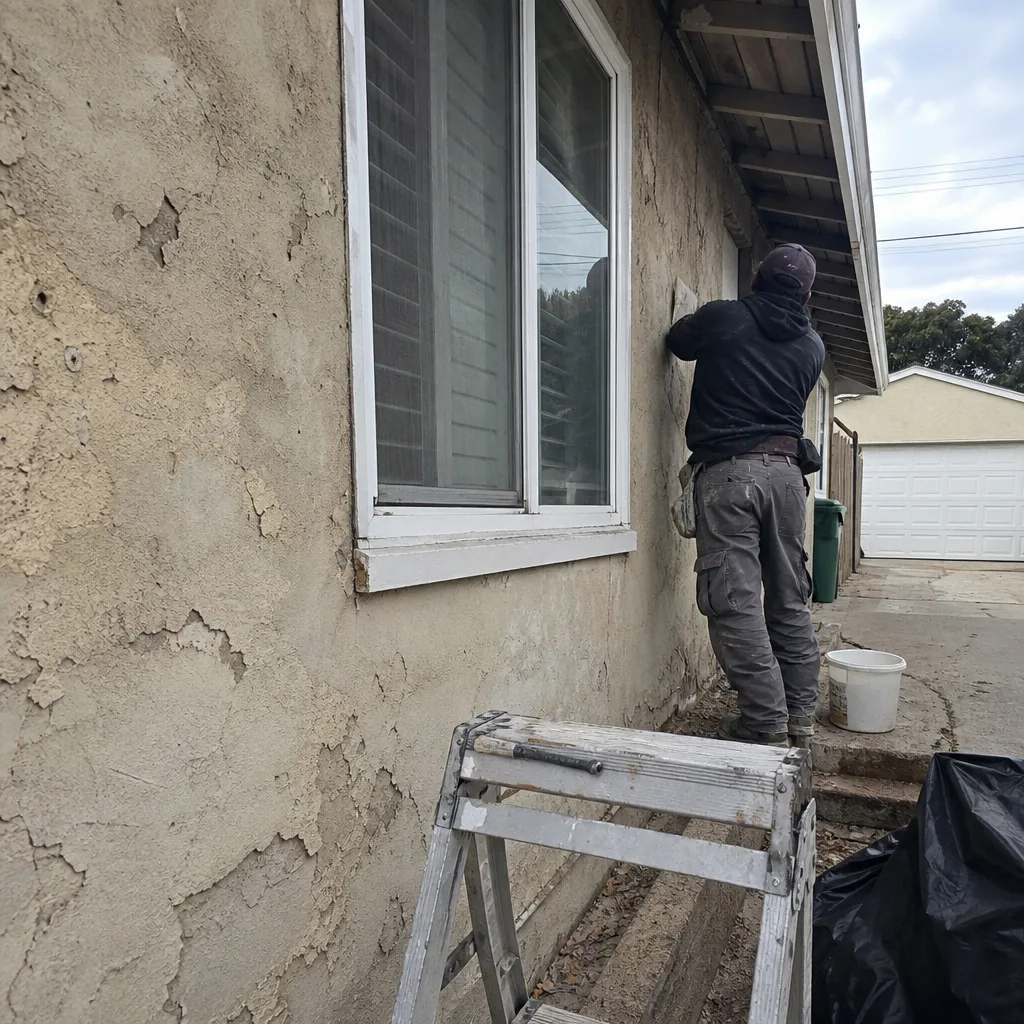 Before
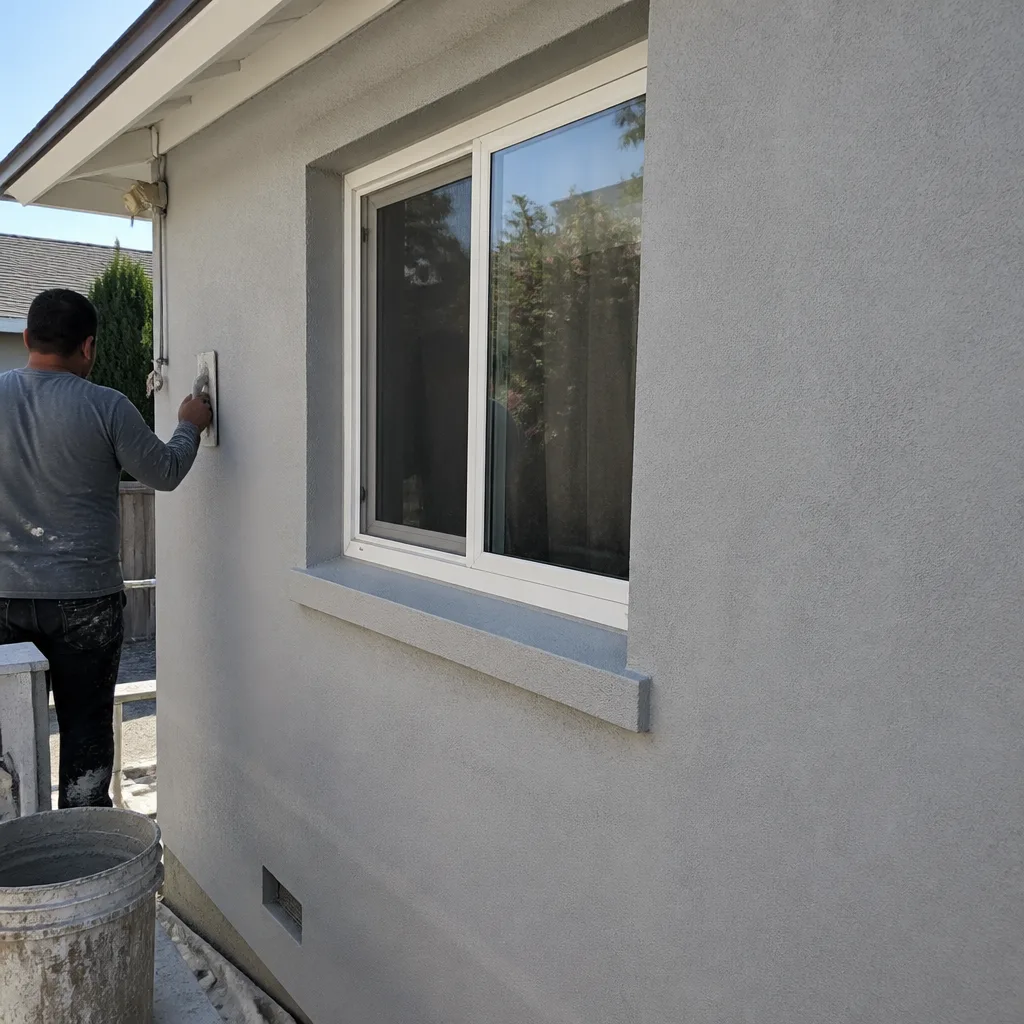 After
AfterUnion City Climate: Why Radiant Barriers Make More Sense Here Than in Many Bay Area Cities
This is worth understanding before you spend money on it. A radiant barrier works by reflecting radiant heat – the infrared energy that radiates off a hot roof deck and down through your attic – rather than by slowing conductive heat transfer the way insulation does. In a climate like San Francisco’s, where summer temperatures rarely climb past the mid-70s, the return on a radiant barrier is modest. Union City is different.
Because Union City sits inland from the bay at the base of the hills east of I-880, it runs 8 to 12 degrees warmer than coastal Fremont or Hayward on summer afternoons. Homes in the Alvarado and Contempo areas face prolonged afternoon sun exposure on west-facing roof planes, and an unshaded attic in those neighborhoods can exceed 140 degrees Fahrenheit by 3 PM in July. That radiant load works against your air conditioning constantly.
A properly installed radiant barrier – perforated foil, stapled to the underside of the rafters, with air sealing done first – can reduce attic radiant heat gain by 25 to 40 percent in conditions like these. That translates to measurable reductions in cooling load, not just on peak days but across the whole summer cooling season. The blower-door readings we document don’t capture radiant gains directly, but the air-sealing component of the job shows up clearly in the numbers, and we include those before-and-after readings on every applicable job so you can see what actually changed.
For a broader look at what Envelope Insulation Co. does in Union City across the full building envelope, visit our Radiant Barrier Installation in Union City service page, or see the full list of services on our home page.
How to Save on Radiant Barrier Installation
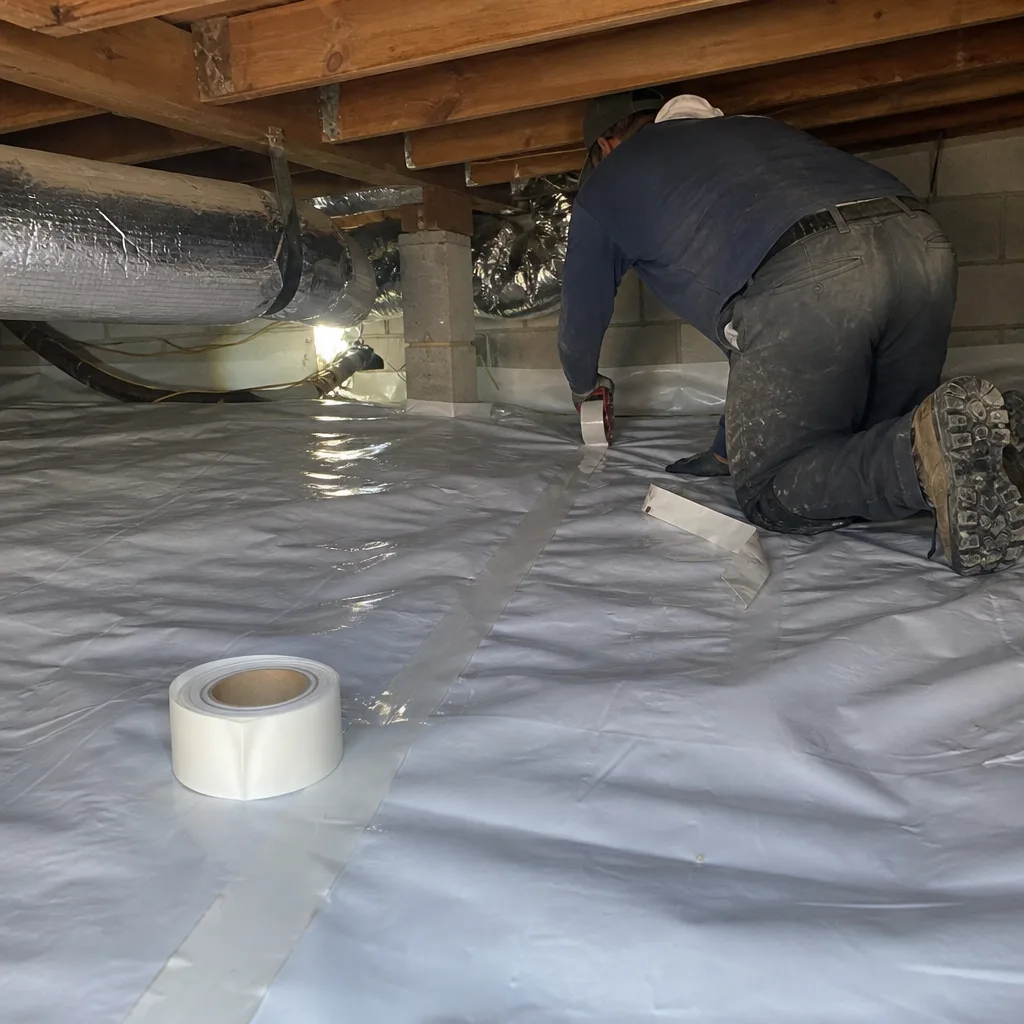
Get a Written Price Before Anything Else
Under Haven Standard Clause 1, we provide a flat written price and written scope before anyone lifts a tool. That means no surprises on install day and no verbal estimates that expand after the crew arrives. If you’ve received a quote from another contractor, bring it in – we offer a Free Second Opinion on any written estimate and will go through it with you line by line. That’s not a sales tactic; it’s how we think you should make this decision.
Bundle with Attic Air Sealing
Air sealing has to happen first anyway – so bundling it into the same project visit rather than scheduling it separately saves mobilization costs. When air sealing and radiant barrier installation are scoped together, you’ll typically save $150 to $300 compared to pricing them as separate jobs. We scope them together by default because that’s the correct installation sequence, not because it’s a discount strategy.
Check for Available Rebates
PG&E’s residential energy efficiency programs periodically offer rebates on qualifying insulation and air sealing work, and some Alameda County programs align with state weatherization goals. Rebate availability changes, so we don’t quote specific dollar amounts here – but we do review what’s currently available during your estimate and factor it into the written scope. Radiant barrier foil alone doesn’t always qualify, but when combined with air sealing and insulation upgrades, the combined project often does.
Address the Attic Before Summer Peaks
Scheduling matters. Spring and early summer – February through May in Union City – is when attic crews are moving through jobs at a steady pace before the peak-heat schedule sets in. Scheduling in this window doesn’t guarantee lower prices, but it does mean more flexibility in scheduling dates and less likelihood of a backlog pushing your install past the first hot week of June.
Don’t Skip the Air Sealing to Cut Costs
This deserves its own line. Some contractors will offer to install a radiant barrier without air sealing to hit a lower price point. The barrier will still reflect some radiant heat, but the air leaks underneath it will continue pulling conditioned air out of your living space and replacing it with attic-temperature air – which is exactly the problem a correctly installed system is designed to address. Skipping air sealing saves a few hundred dollars upfront and leaves the most expensive part of the problem in place. We won’t scope it that way.
For an exact written price on your Union City home, call (650) 381-1512. Estimates are free, they start with a real attic inspection, and you’ll have a flat written number before we discuss scheduling.
FAQs – Radiant Barrier Installation Cost in Union City
How much does radiant barrier installation cost in Union City, CA?
Most radiant barrier installations in Union City run between $1,400 and $3,200 for a single-story home with an attic between 1,000 and 2,000 square feet, assuming the attic is accessible and doesn’t require insulation removal. If air sealing is needed – and in most homes built before 2000, it is – that adds $400 to $950 but should be scoped into every project. Homes with contaminated or degraded insulation that needs removal first can reach $4,600 total. Call (650) 381-1512 for a free estimate with a written price before any work starts.
Is a radiant barrier worth it in Union City’s climate?
Yes, for most homes in Union City – more so than in coastal Bay Area cities. Union City’s position east of I-880 means summer afternoon temperatures consistently run 8 to 12 degrees higher than coastal Hayward or Fremont, and attic temperatures on west-facing roofs regularly exceed 130 to 140 degrees Fahrenheit. A correctly installed perforated radiant barrier can reduce radiant heat gain by 25 to 40 percent, which translates to a measurable reduction in cooling load across the summer season. Homes in Alvarado, Decoto, and the Contempo area tend to see the strongest benefit due to afternoon sun exposure on west and south roof planes.
How long does radiant barrier installation take in a Union City home?
A standard installation in an accessible attic between 1,000 and 1,500 square feet takes four to six hours when air sealing has already been completed. When air sealing is included in the same project, add two to four hours depending on the number of penetrations, can lights, and HVAC boots present. Complex attics with low pitch, multiple sections, or difficult access – common in older Decoto-district ranch homes – can extend to a full day or into a second visit. We include a realistic time estimate in the written scope so you know what the day looks like before we arrive.
Do I need a permit for radiant barrier installation in Union City?
In most cases, no. Radiant barrier installation limited to stapling perforated foil to rafter undersides in a ventilated attic does not typically require a building permit in Union City under Alameda County jurisdiction. If the project includes structural modifications, significant insulation replacement, or HVAC work, permit requirements may apply. We assess this during the initial inspection and include the answer in your written scope – you’ll know before we schedule the install, not after.
Should I get a radiant barrier or more attic insulation?
These solve different problems, and in most Union City attics, you need both working together. Insulation slows conductive heat transfer – the gradual movement of heat through materials. A radiant barrier blocks radiant heat – the infrared energy radiating off a hot roof deck down into your attic space. If your attic insulation is at or near current code levels (R-38 to R-49 in Alameda County’s climate zone) but you’re still seeing high cooling costs, a radiant barrier addresses the radiant load that extra insulation alone won’t fix. If your insulation is below R-30, adding insulation first typically produces a stronger energy return. During your estimate, we measure current insulation depth and condition and give you a straight read on which project sequence makes the most sense for your home.
Is it cheaper to repair or replace existing attic insulation before adding a radiant barrier?
If existing insulation is structurally intact – not wet-damaged, not rodent-contaminated, and not compressed below half its original thickness – repair is rarely necessary and removal is not part of a radiant barrier project. The foil installs above the insulation, on the rafter undersides, without disturbing what’s below. If insulation is contaminated or severely degraded, replacement before the barrier install runs $500 to $1,400 for removal plus the cost of new insulation – and skipping it would mean trapping the problem beneath new foil. We’ll tell you which situation your attic is in during the inspection, in writing, before you decide anything.
What Happens on Installation Day
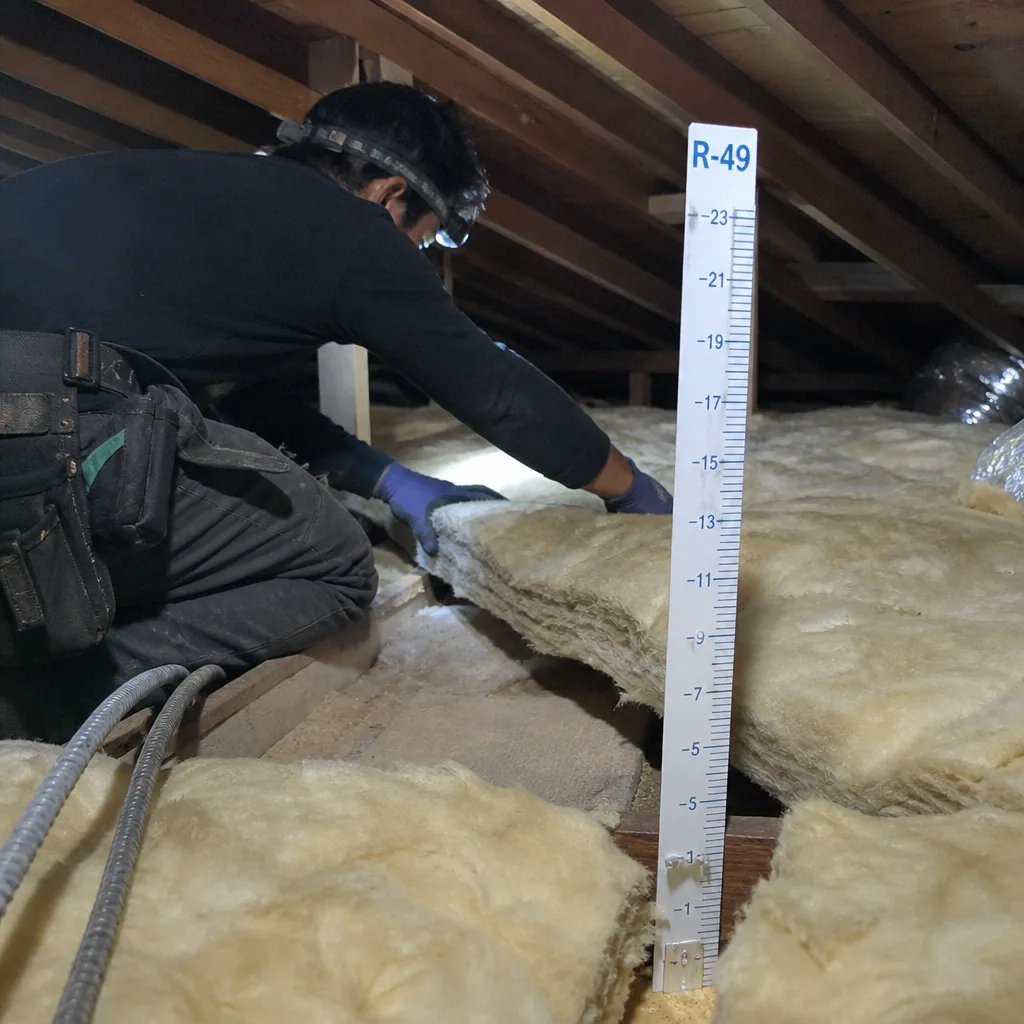
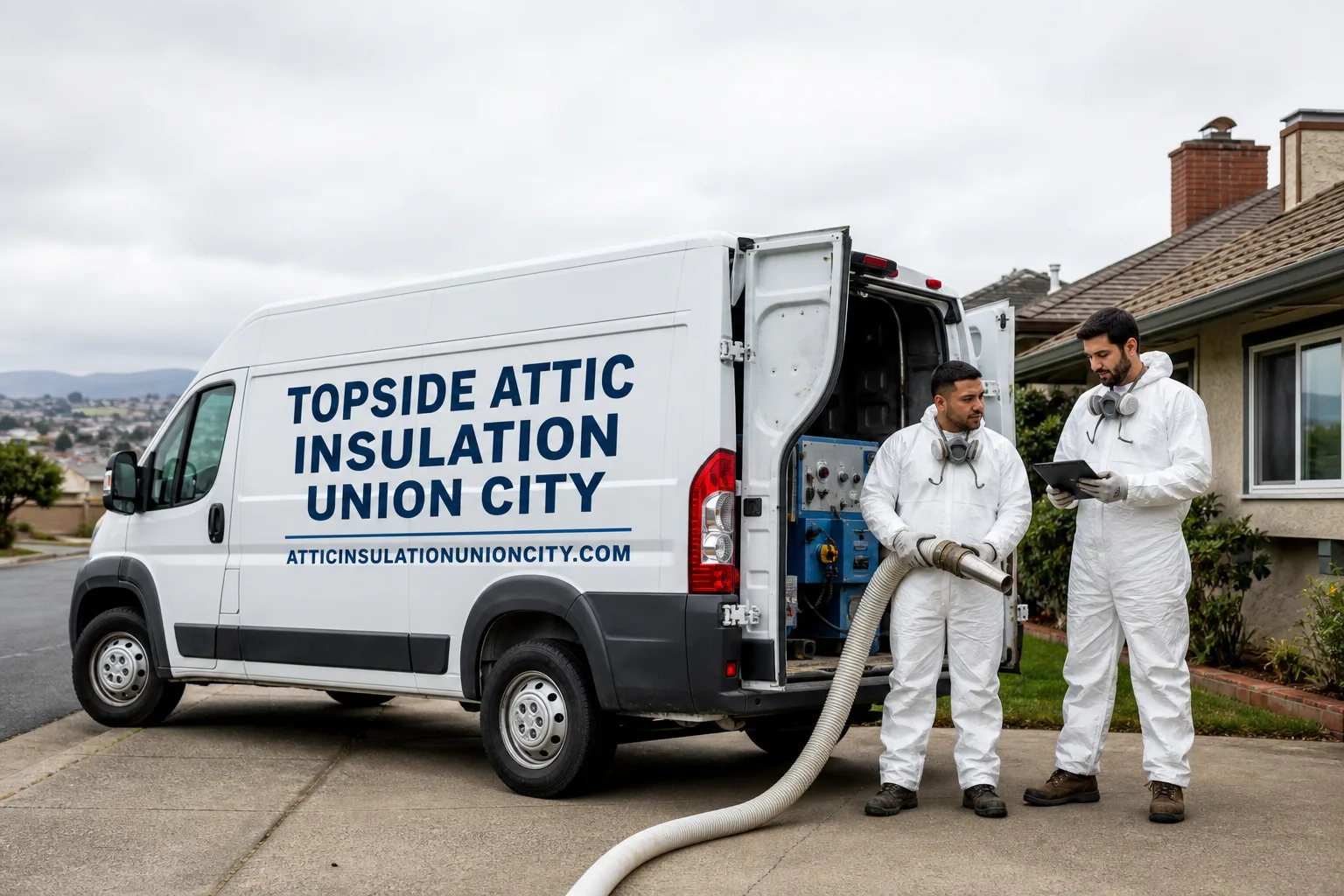
Knowing what to expect removes most of the uncertainty from a Radiant Barrier Installation services project like this. Here’s what a standard radiant barrier installation day looks like at Topside Attic Insulation Union City.
Your technician – background-checked and uniformed – sends a text when they’re on the way, with their name attached. That’s the Haven Standard: you know who’s coming before they arrive. The crew starts in the attic with a full inspection: insulation depth and condition documented, air sealing needs mapped, and any structural or pest concerns noted with photos. That documentation becomes part of your Documented Photo Record, which is included on every visit – not something you have to request.
If air sealing is part of the scope (and it should be), that work happens first. Top plates, recessed can lights, electrical penetrations, HVAC boots – each one sealed before a single square foot of foil is stapled. On applicable jobs, a blower-door test – a pressurization reading that shows, in one number, how much air the home’s building envelope is losing – is performed before and after sealing. You’ll receive both numbers in writing. That’s how you know the air sealing did what it was supposed to do, rather than taking our word for it.
Then the radiant barrier goes up: perforated foil stapled to the underside of the rafters, working from the peak toward the eaves to maintain attic ventilation and moisture escape pathways. The crew doesn’t work over the eave vents. When the foil is in, they photograph the completed installation from multiple angles before closing the attic hatch. You get the photos. You get the written warranty. You leave with the same written scope you started with, now marked complete.
The 365-Day Done Right Promise applies: if anything about the installation isn’t right within 365 days of completion, we come back and make it right. That’s not a feeling-based guarantee – it’s written into the scope you receive before work starts.
Wes Okafor on Why Radiant Barriers Are Only Part of the Answer
Wes Okafor, who leads Envelope Insulation Co., puts it plainly when homeowners ask whether a radiant barrier alone will fix their cooling costs: “The barrier handles the radiant load, and it handles it well in a Union City attic. But if we install it over an attic floor with open top plates and unsealed can lights, the air infiltration that’s pulling conditioned air out of your house keeps running. You get some benefit from the foil and none from the air sealing you needed. We won’t do it that way.”
That position – air sealing before insulation or barrier, always – is built into how Envelope Insulation Co. scopes every project, and it’s why Wes insists on the blower-door readings before and after: so the homeowner has documented evidence of what changed, not just a verbal assurance that the job went well.
Since 2016, across more than 9,000 homes sealed and insulated, every one has started with a written price and closed with a documented record. That’s the Haven Standard, and it doesn’t have exceptions.
Key Takeaways
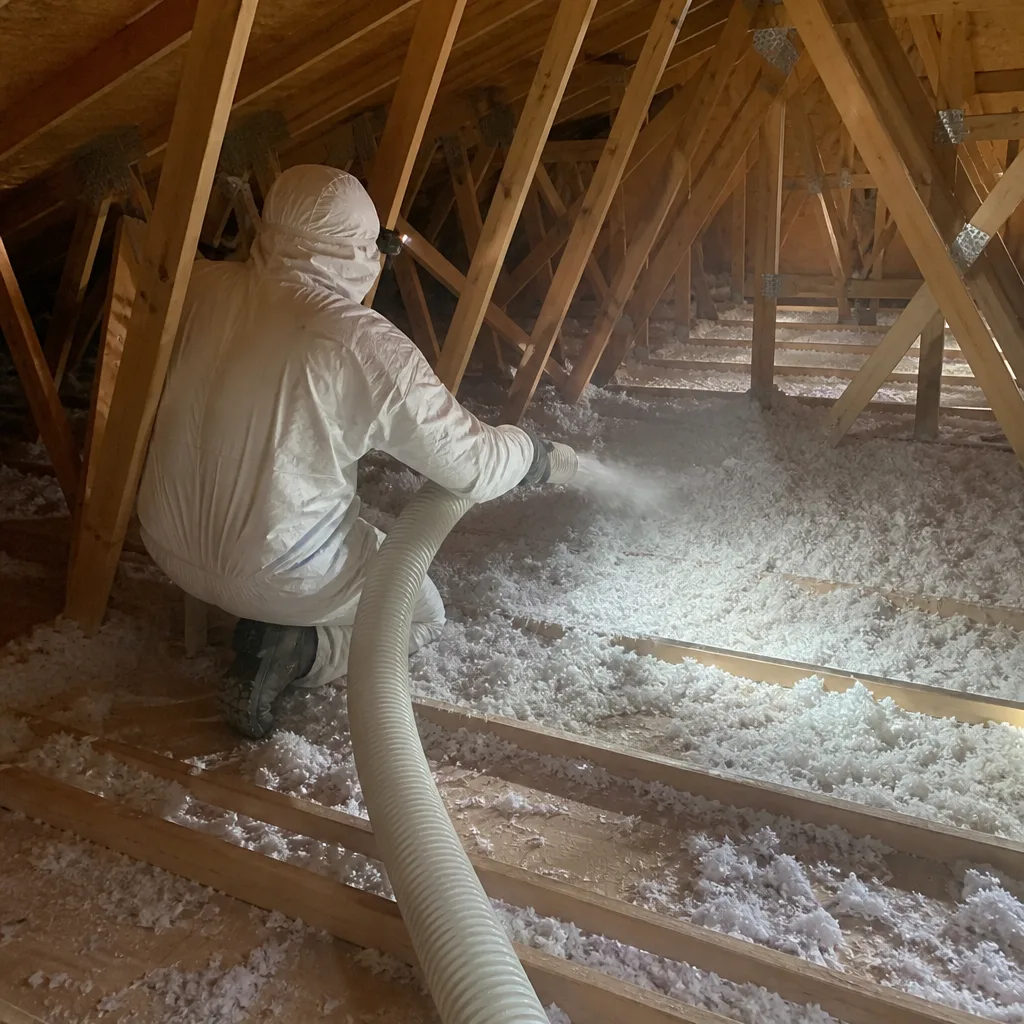
- Radiant barrier installation in Union City, CA costs $1,400 to $3,200 for most single-story homes; add air sealing for $400 to $950 more – which should always be part of the project.
- Union City’s inland position makes it consistently warmer than coastal Bay Area cities in summer, meaning radiant heat loads are real and measurable, especially in Alvarado, Decoto, and Contempo neighborhoods.
- Air sealing must happen before the barrier installs. Contractors who skip it are leaving the most expensive air loss point in place and reducing the barrier’s effectiveness.
- Most attic radiant barrier projects in Union City do not require a building permit; Envelope Insulation Co. confirms permit requirements in the written scope before scheduling.
- You receive a flat written price before any work starts, a Documented Photo Record when the crew leaves, and blower-door before-and-after readings on applicable jobs – every time, without having to ask for it.
- The 365-Day Done Right Promise is written into every scope: if the installation isn’t right within a year, we come back and make it right.
Get a Written Price for Your Union City Home
If you’re trying to decide whether a radiant barrier makes sense for your home, or you’ve received a quote from another contractor and want a second set of eyes on it, call (650) 381-1512. Estimates are free, the price you receive is written and flat, and no work starts until you have that number in hand. We serve Union City and the surrounding Tri-Cities area, and a live person answers that number around the clock – no voicemail loop, no callback window.
Bring us a competing written estimate if you have one. We’ll go through it with you line by line, ask the questions worth asking, and give you a straight read on what it covers and what it doesn’t. That’s the Free Second Opinion, and it costs nothing.
Pricing reflects the Union City market as of 2026. Topside Attic Insulation Union City offers free estimates – call (650) 381-1512.
Written by Wes Okafor, Owner at Envelope Insulation Co., serving Union City, CA since 2016.
What Our Customers Say
"They photographed rodent damage in the old insulation that we had no idea about, and priced the exclusion work separately so we could decide."
- Harriet N."Crawl space encapsulation done properly. Photographs of the vapour barrier at every seam, and the damp smell in the hallway is gone."
- Ainsley P."The winter gas bill dropped by about a third. They had estimated a quarter, so they under-promised."
- Genevieve R.