
Rockwool Insulation Removal & Replacement in Union City: What to Know First
We provide independent Rockwool insulation removal and replacement in Union City, with most jobs completed in one day and a written price delivered before any work starts. Rockwool ComfortBatt, ComfortBoard, and Safe’n’Sound are mineral wool products - stone wool spun from basalt and recycled steel slag - that don’t degrade like fiberglass but can shift, compress, or become contaminated, requiring careful removal and precise reinstallation to maintain their rated R-value. Most Union City homeowners with Rockwool in their attics or walls are dealing with one of three situations: rodent contamination, water damage from roof leaks common in our wet winters, or compression from foot traffic during HVAC or solar installs. Call (650) 381-1512 for a free estimate with a written price before any work begins.
How Rockwool Products Fail - and How We Fix Them
- ComfortBatt attic floor compression. ComfortBatt installed between joists in Union City attics, especially in the older ranch stock near Alvarado Adobe Park, compresses to 60-70% of its original loft after technicians walk across it for ductwork or solar panel wiring. Compressed stone wool loses R-value proportionally - a 5.5-inch batt rated at R-23 performs closer to R-16 when squashed to 4 inches. We remove the compressed batts, air-seal the top plates and penetrations we expose, then reinstall fresh ComfortBatt or switch to blown-in Rockwool Granulated Wool where irregular joist spacing makes batt replacement impractical.
- Safe’n’Sound wall cavity sagging in Decoto corridor townhomes. Safe’n’Sound is engineered for interior walls and rated at R-11 for 2×4 studs, but in the newer construction along the Decoto corridor we’ve seen it sag within cavities when installers skipped the friction-fit compression or when plumbing leaks introduced moisture that broke the binder. Sagging creates thermal bypass channels - air moves freely where the wool has pulled away from the studs. We extract the sagging batts through strategic drywall access points, verify the cavity is dry with a moisture meter, and reinstall with proper compression fit or switch to damp-spray cellulose if the cavity geometry is inconsistent.
- ComfortBoard exterior insulation water wicking. ComfortBoard 80 and 110, the rigid boards used for exterior continuous insulation in some Union City retrofits, are hydrophobic - they don’t absorb liquid water - but the facings and the gaps between boards can channel moisture to the sheathing behind. We’ve pulled ComfortBoard jobs where the boards were fine but the OSB sheathing had begun to delaminate because the rainscreen detail was missing or the tape seams failed. We remove the boards intact when possible, replace compromised sheathing, reinstall with proper drainage gaps, and document the assembly with photos for the homeowner’s record.
- Granulated Wool settling in sloped ceilings. Rockwool’s blown-in Granulated Wool - sometimes called Rockwool Premium Plus in older spec sheets - is denser than fiberglass at 1.7 pounds per cubic foot, which resists wind washing but can settle 10-15% in cathedral ceilings over time, especially where the slope exceeds 6:12 and gravity works against the material. In Union City’s hillside homes near the Hayward fault scarp, we’ve measured settled depths 2-3 inches below the original install line, dropping effective R-value by 20% or more. We vacuum out the settled material, inspect for air leaks at the ridge and soffit junctions, then reinstall to proper density with netting or rigid baffles to prevent recurrence.
- Contamination from roof rat activity. Union City’s mild winters and proximity to the Bay wetlands mean roof rats are active year-round; they nest in loose-fill insulation and compress path trails through batts. Rockwool’s mineral composition doesn’t support mold growth the way cellulose can, but rat urine and feces render it a biohazard. We remove all contaminated material under containment, HEPA-vacuum the framing, apply an enzymatic cleaner, and reinstall fresh Rockwool or an alternative specified by the homeowner. Every contamination job gets a photo log of the removal and a written clearance before new material goes in.
Our Rockwool Insulation Removal & Replacement Process
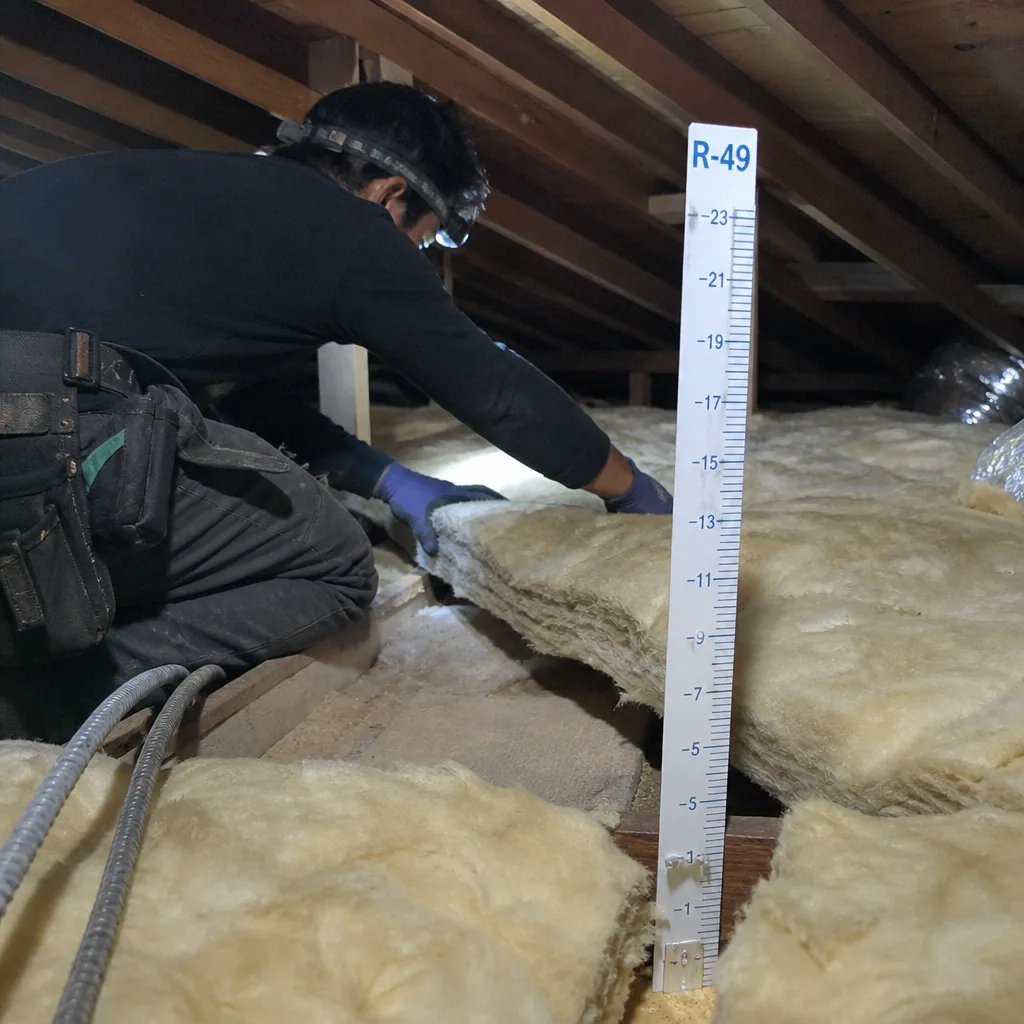
- 1
Written price before arrival. We review photos or conduct a site visit, scope the Rockwool product line and condition, and deliver a flat price in writing - no work starts without it, per Haven Standard Clause 1.
- 2
Containment and negative air setup. For removal jobs, we seal the work zone with poly sheeting and run HEPA-negative air machines to prevent fiber migration to living spaces. Rockwool fibers are larger and less respirable than fiberglass, but we treat every job as if the homeowner has asthma - because sometimes they do.
- 3
Systematic removal with material identification. We bag and label removed Rockwool by product line; ComfortBatt, Safe’n’Sound, and ComfortBoard have different disposal pathways, and some lots qualify for recycling through Rockwool’s take-back program. We document what came out with photos.
- 4
Air sealing before any replacement. The R-value on the bag is what the material does in a lab. The number on your blower-door report is what your house actually does - and those two figures are not always friends. We seal top plates, can lights, pipe penetrations, and chimney chases before a single new batt goes in.
- 5
Replacement with matched or upgraded material. We source replacement Rockwool from our supplier network - Owens Corning, Johns Manville, Knauf, Rockwool, and others - with no proprietary lock-in. If the original product line is discontinued, we specify the closest modern equivalent and explain the R-value and density differences in plain language.
- 6
Documentation and blower-door verification. Every applicable job closes with a Documented Photo Record and, when air sealing is performed, before-and-after blower-door numbers. You get a printed report showing CFM50 reduction and a plain-language summary of R-value change from walk-through to final inspection.
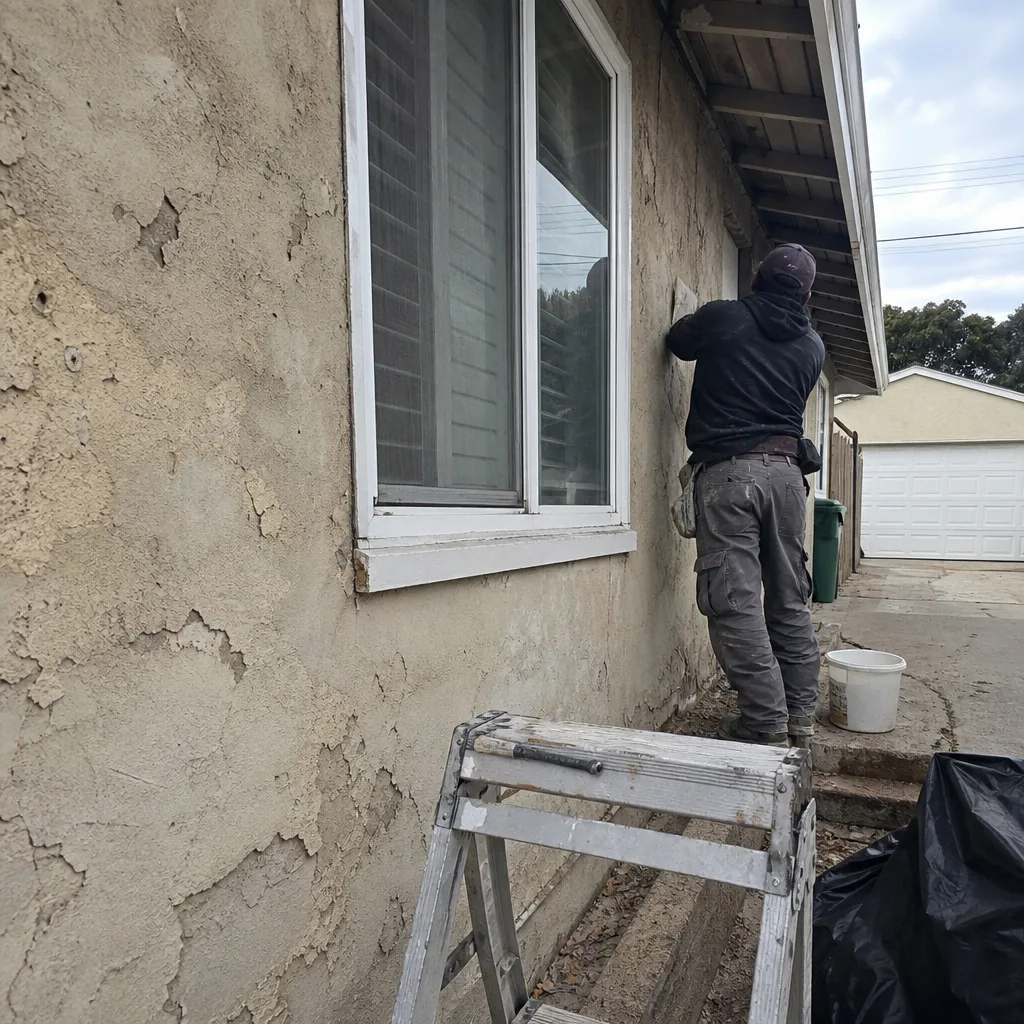 Before
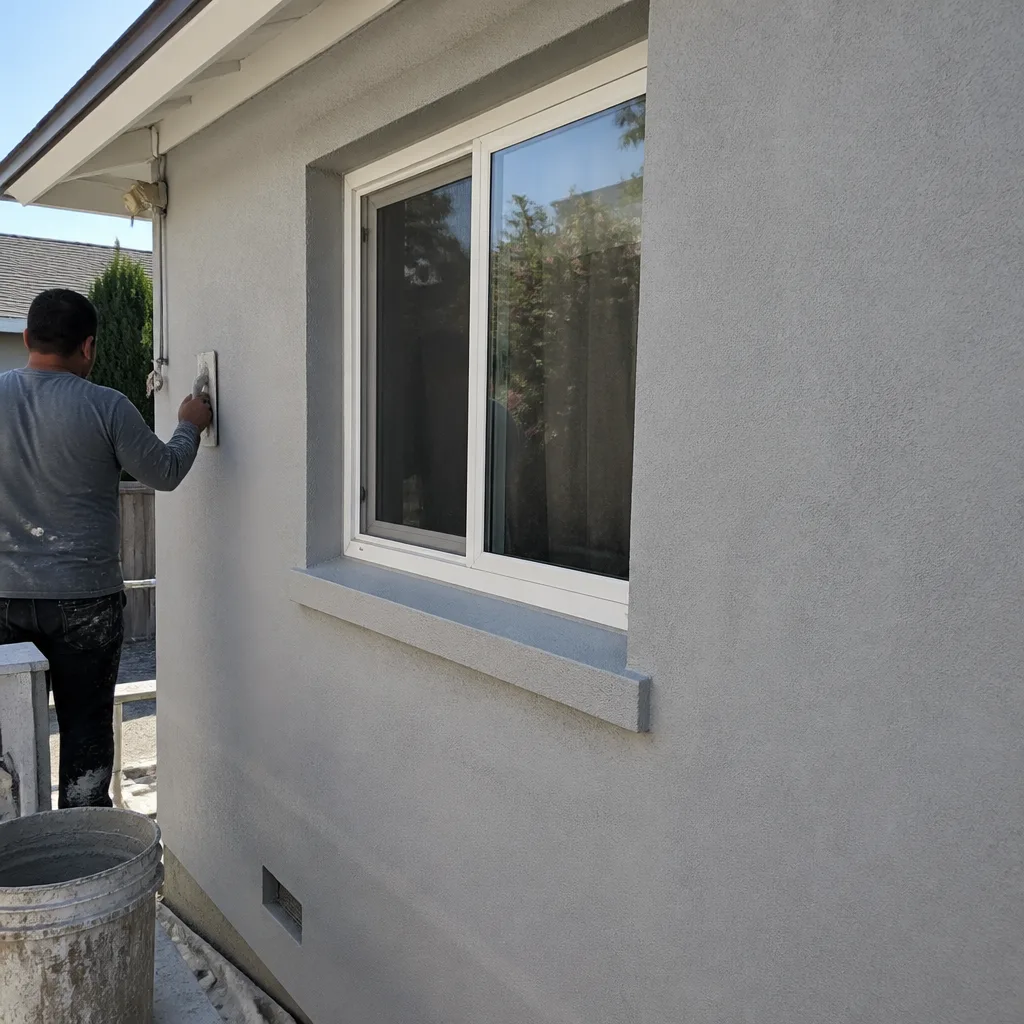 After
AfterWhat Rockwool Insulation Removal & Replacement Costs in Union City
| Scenario | Typical Range | What Moves the Price |
|---|---|---|
| Partial attic removal (contaminated section, up to 300 sq ft) | $1,800 - $3,200 | Access difficulty, contamination level, whether air sealing is included |
| Full attic removal and replacement with Rockwool batts | $4,500 - $7,800 | Attic square footage, joist spacing irregularity, need for baffles or vent chutes |
| Safe’n’Sound wall cavity extraction and replacement | $2,400 - $4,600 | Number of cavities, drywall repair scope, moisture damage to framing |
| ComfortBoard exterior removal and reinstallation | $5,200 - $9,400 | Building height, scaffolding needs, sheathing replacement extent |
| Granulated Wool vacuum-out and redensity blow-in | $3,100 - $5,500 | Attic depth, slope complexity, netting or rigid baffle installation |
These ranges reflect Union City’s labor market and material costs as of 2024. The biggest price driver we see is what we find after removal - water-stained sheathing, unsealed bypasses, or rodent entry points that weren’t visible until the Rockwool came out. That’s why we price after inspection, not before. Call (650) 381-1512 for a free estimate with a written price before any work starts.
Why Union City Homeowners Call Topside Attic Insulation Union City for Rockwool Work
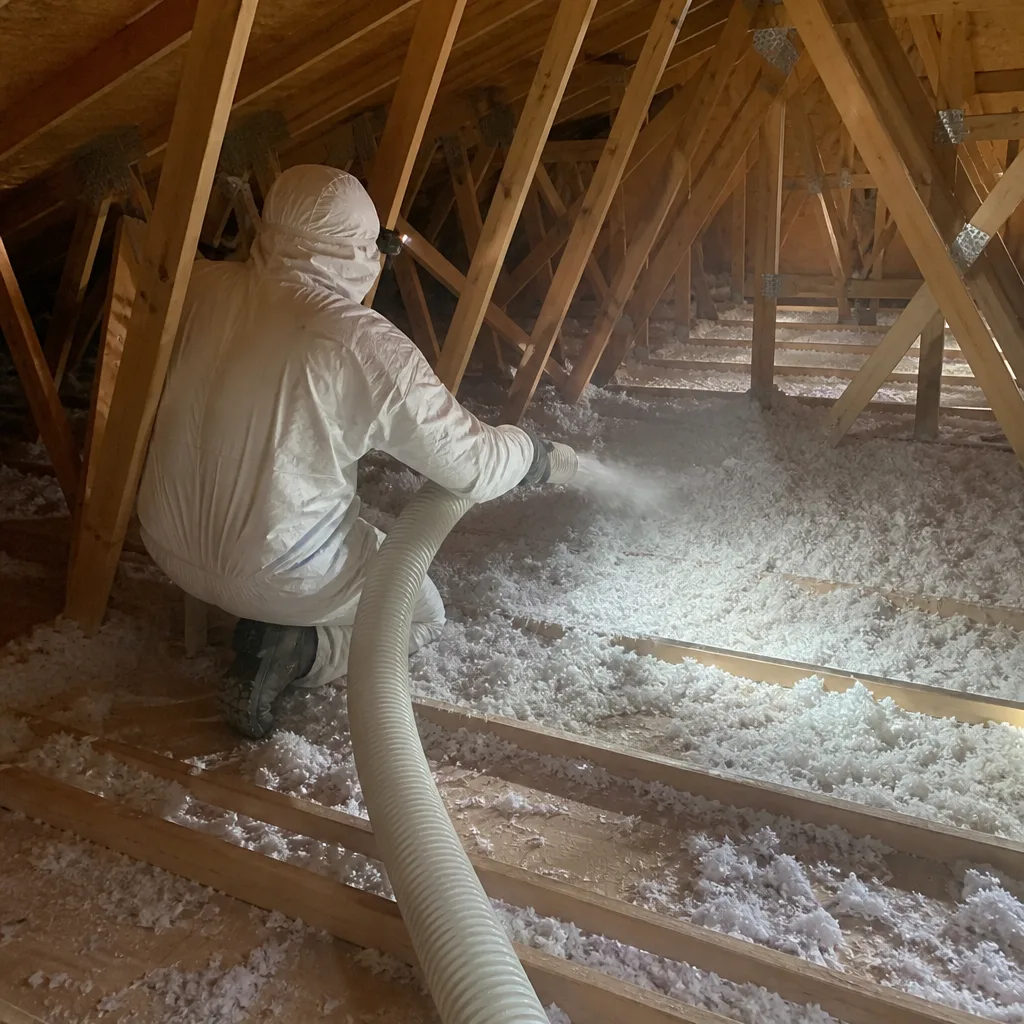
We’ve sealed and insulated over 9,000 homes since 2016, and the ones that perform best - the ones where owners send us their PG&E spreadsheets the following winter - are the ones where we sealed first, then insulated. Wes Okafor runs crews across the East Bay with jobs from post-war ranches near Alvarado Adobe Park to newer builds along Decoto, and the rule doesn’t change: air sealing of top plates, can lights, and penetrations is completed before any insulation is added. Our 365-Day Done Right Promise applies to every job, backed by a written scope and warranty delivered before anyone lifts a tool. We also service Reflectix and other brands, so if your home has mixed insulation types, we don’t force a single-product solution. Calls are answered by a live person, 24/7.
FAQs
No - Rockwool’s limited warranty covers manufacturing defects in the original product, not installation or removal by subsequent contractors. As an independent Rockwool service provider with no manufacturer affiliation, our removal and replacement work doesn’t affect any original product warranty that may still be in effect. We document the original product line and lot numbers when visible for your records. Call (650) 381-1512 if you need help determining what warranty coverage, if any, applies to your installation.
Most residential jobs in Union City are completed in one day; full attic removals with air sealing and replacement typically run two days. Jobs requiring exterior ComfortBoard removal on multi-story homes may extend to three days depending on scaffolding setup and weather. We give you a specific day count in your written scope, not a range. Call (650) 381-1512 to schedule a free estimate with a firm timeline.
Repair - spot-filling compressed or displaced batts - makes sense when less than 20% of the area is affected and the remaining material tests dry and uncontaminated. Replacement is the better choice for widespread compression, any contamination, or when the original install skipped air sealing and you’re addressing the envelope properly for the first time. We assess this during inspection and tell you which path costs less over the life of the home, not just today. Call (650) 381-1512 for a free second opinion on any written estimate you’ve already received.
Yes - Rockwool has consolidated some product lines, but we source current equivalents from multiple suppliers including Owens Corning, Johns Manville, Knauf, and others. When an exact match isn’t available, we specify the closest modern product by density, R-value per inch, and fire rating, and explain the difference in your written scope before work starts. No proprietary lock-in means you get what performs, not what a single brand happens to stock.
We answer calls live 24/7 and can typically inspect within 24-48 hours for urgent situations - water intrusion, post-rodent contamination, or failed inspection contingencies in a home sale. Same-day removal and replacement is rare because proper containment, air sealing, and documentation take time; we won’t skip steps to hit an arbitrary deadline. Call (650) 381-1512 and we’ll tell you honestly what timeline your situation allows.
Written by Wes Okafor, Owner & Lead Insulation Technician, Topside Attic Insulation Union City at Topside Attic Insulation Union City, serving Union City and nearby areas.