
Rockwool Crawl Space Encapsulation: The Union City Owner’s Guide
Rockwool crawl space encapsulation systems in Union City typically run $2,800-$4,600 installed for a standard 1,200-square-foot crawl space, and we stock the full Rockwool-compatible vapor barrier, drainage matting, and seam-sealing components for same-day starts. Most Union City homeowners discover their encapsulation has failed when musty odors return after the first winter rains, or when they spot condensation beading on the underside of their floor joists - both signs that the vapor barrier’s integrity has been compromised somewhere along the seam lines or perimeter seal.
Which Rockwool Models This Applies To
Rockwool doesn’t manufacture a dedicated crawl space “system” the way some brands do. What we’re talking about here is Rockwool Comfortbatt or Comfortboard insulation installed in crawl space applications, paired with a polyethylene vapor barrier and proper drainage layer. The compatibility question is really about whether your existing Rockwool product can stay in place during encapsulation, or whether moisture saturation has degraded it beyond recovery.
Comfortbatt comes in standard 15.25-inch widths for 16-inch on-center framing, and 23-inch widths for 24-inch spacing. If your crawl space has non-standard joist spacing - common in the post-war ranch stock near Alvarado Adobe Park - you’ll need custom-cut batts or a switch to Comfortboard 80, which is rigid and can be scored to fit. The label to check is the foil-stamped density rating: 3.5 pounds per cubic foot for Comfortbatt, 8.0 PCF for Comfortboard. Anything below that in a damp crawl space has likely absorbed moisture and lost R-value.
We source OEM-equivalent vapor barriers from the same supply chain that feeds Rockwool’s recommended assemblies: 10-mil reinforced polyethylene for the ground layer, 6-mil for vertical walls, and closed-cell spray foam or butyl tape for seam sealing. The aftermarket equivalent we stock is identical in spec, just without the Rockwool logo on the roll.
Signs Your Rockwool Crawl Space Encapsulation Is Failing
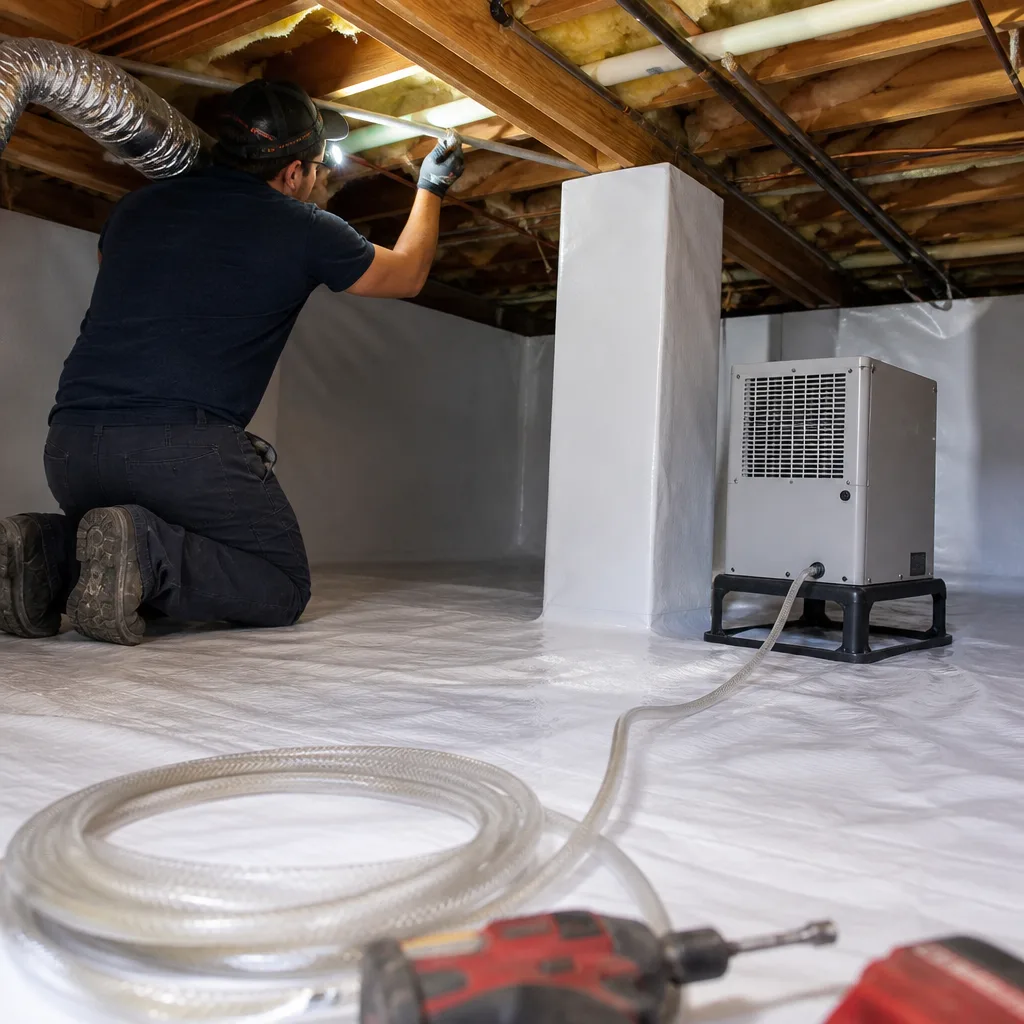
- Musty odors returning seasonally. In Union City, the first heavy rains in November and December push groundwater up through crawl space soils. If your vapor barrier has torn at the perimeter or along a seam, that moisture evaporates into the crawl space air and migrates upward through the floor assembly. The Rockwool itself may look dry on top while the bottom inch is saturated.
- Condensation on floor joists or ductwork. This happens when the crawl space relative humidity climbs above 70 percent, which is almost guaranteed if your vapor barrier has lost its seal. The cold surface of AC ducts running through the crawl space - standard in Decoto corridor builds from 2010 onward - becomes a condensation point first.
- Sagging or discolored Rockwool batts. Comfortbatt is designed to shed water, not absorb it. But if it’s been sitting against a failed drainage mat or directly on dirt, the bottom edge will turn gray-brown and compress. Once a batt sags out of its cavity, the thermal bridge is complete - you’re losing conditioned air through that gap.
- Increased energy bills with no other explanation. We see this most often in Union City homes where the encapsulation was installed as part of a flip or quick resale prep. The vapor barrier went down, but no one sealed the rim joist or sill plate. The R-value on the bag is what the material does in a lab. The number on your blower-door report is what your house actually does - and those two figures are not always friends.
- Pest activity or rodent trails in the crawl space. A compromised vapor barrier is an entry point. Once rodents tunnel under polyethylene, they compress and soil the Rockwool beneath. This isn’t a Rockwool defect - it’s an encapsulation failure that let them in.
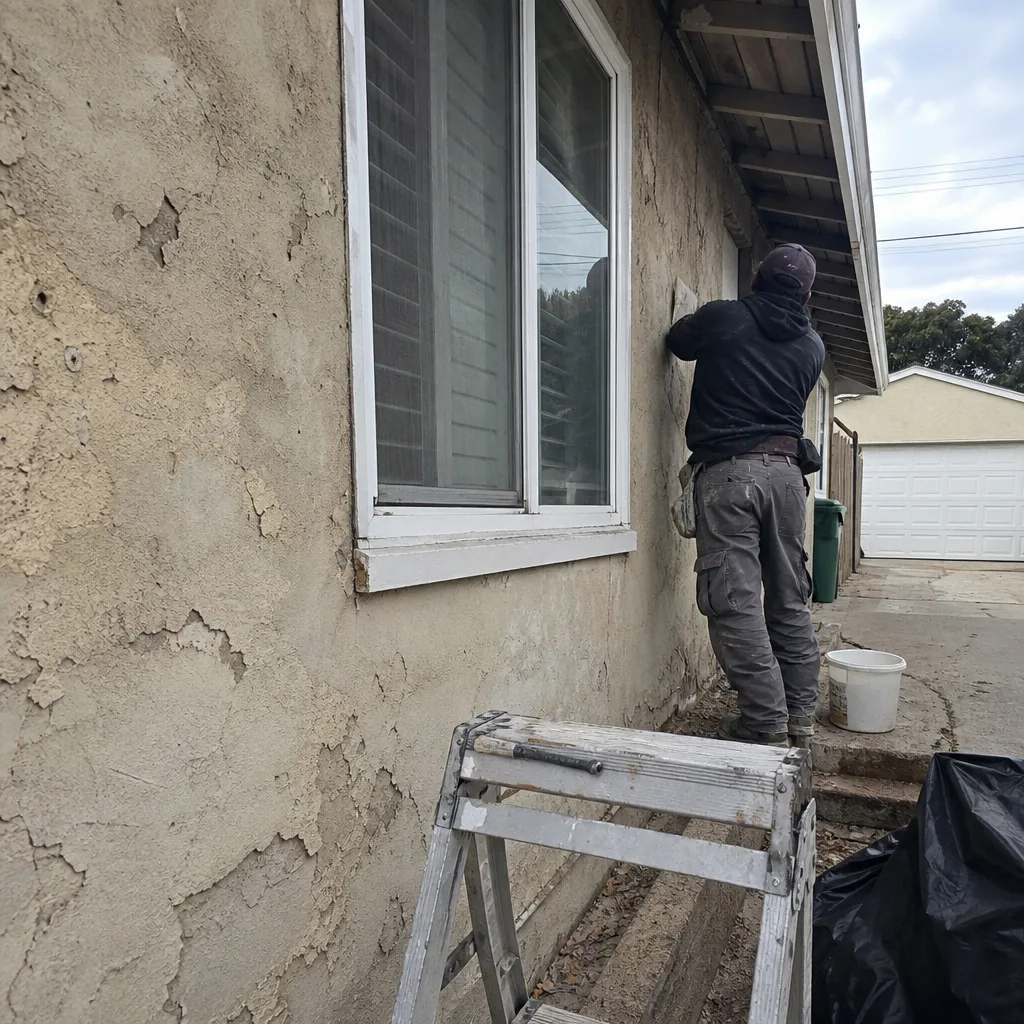 Before
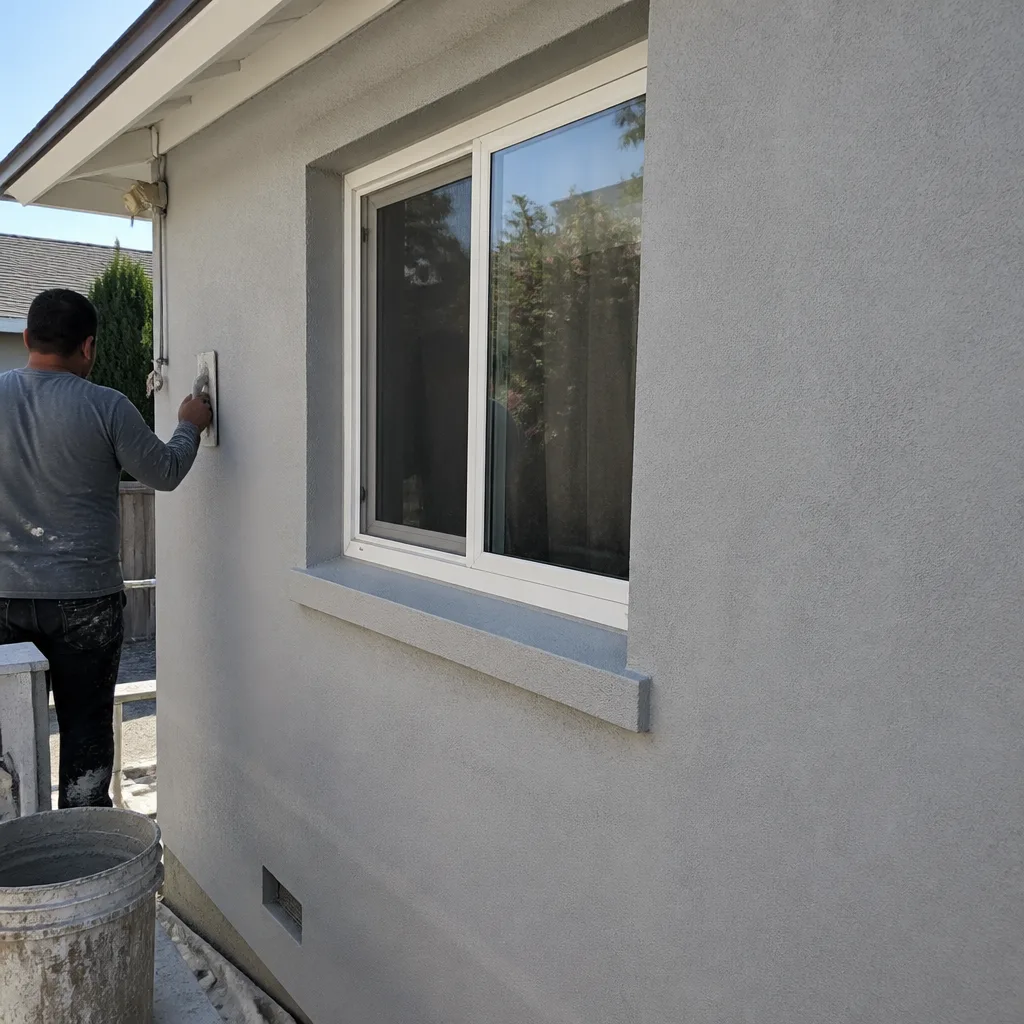 After
AfterReplacement Cost & What’s Included
Most Rockwool crawl space encapsulation replacements in Union City fall between $2,800 and $4,600 for a full assembly: vapor barrier, drainage matting, perimeter seal, and any Rockwool that needs swapping. The low end covers a clean re-seal of an existing barrier with intact insulation. The high end includes removing saturated batts, treating for mold if present, installing new Comfortboard on the walls, and a full ground-layer replacement with 10-mil reinforced poly.
What drives the range: crawl space height (anything under 18 inches adds labor), existing access point size, whether the rim joist needs closed-cell spray foam, and how far moisture has traveled into the subfloor. We don’t guess at this. Our crew photographs every square foot, tests wood moisture content with a pinned meter, and gives you a written price before any work starts - Haven Standard Clause 1. The 365-Day Done Right Promise covers all completed encapsulation work, and you’ll receive a Documented Photo Record plus before-and-after blower-door numbers if the job includes air sealing of the crawl space perimeter.
DIY or Call Us?
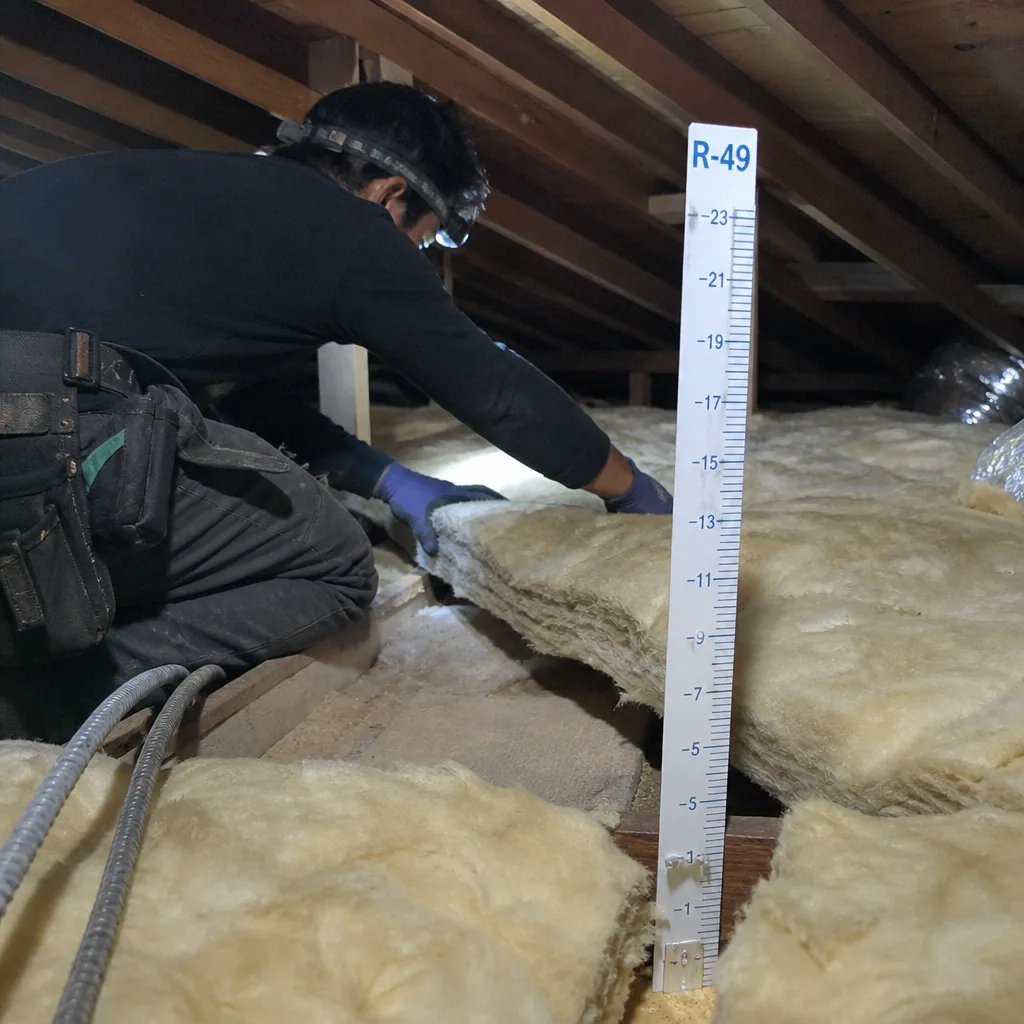
There’s a safe middle ground here. A homeowner can check the crawl space access hatch for obvious tears in the vapor barrier, look for standing water, and verify that any existing sump pump is running. What you cannot safely do: work in a confined space with potential mold, handle saturated insulation without respiratory protection, or properly seal a vapor barrier to foundation walls with the right mechanical fasteners and butyl tape that won’t fail in five years.
The real risk in DIY crawl space work isn’t injury - it’s spending a weekend on your back in 40 inches of clearance, only to discover next winter that your seam tape delaminated because the wall surface wasn’t prepped. We’ve re-done enough homeowner encapsulations in Union City to know the pattern. If you want a second opinion on any written estimate you’ve already received, bring it to us - we’ll read it with you. For a fresh assessment of your Rockwool assembly, call (650) 381-1512.
FAQs
A properly installed encapsulation with 10-mil reinforced poly and sealed seams should last 15-20 years, but the marine layer influence in Union City means we see more perimeter seal degradation than inland East Bay cities. The butyl tape adhesive can soften in sustained humidity if the crawl space isn’t conditioned. We inspect and re-seal perimeter bonds as part of our maintenance protocol. Call (650) 381-1512 to schedule a condition check - estimates are free.
Patching works for isolated punctures smaller than a quarter, using the same 10-mil material and double-sided seam tape. But if you’re seeing multiple failure points, condensation on joists, or saturated Rockwool, the barrier’s overall integrity is compromised - patchwork won’t solve the systemic issue. We warranty only full replacements, not patches, because partial repairs tend to fail at the next weak point. Call (650) 381-1512 for an honest assessment of whether your barrier is patchable.
Most residential crawl spaces in Union City take one to two days: half a day for removal and surface prep, half a day for installation, plus cure time if we’re applying closed-cell spray foam to the rim joist. We stock Rockwool-compatible materials on our truck, so there’s no supply delay. You’ll get a written start and completion date in your scope before anyone lifts a tool.
We stock Comfortbatt, Comfortboard, 10-mil and 6-mil reinforced polyethylene, drainage matting, butyl seam tape, and closed-cell spray foam on every encapsulation truck serving Union City. We’re an independent service provider - not affiliated with Rockwool - but we source through the same distribution channels and carry OEM-equivalent specs. Same-day starts are available for most standard crawl space dimensions; custom cuts or non-standard joist spacing may add 24 hours.
Written by Wes Okafor, Owner & Lead Insulation Technician, Topside Attic Insulation Union City at Topside Attic Insulation Union City, serving Union City and nearby areas.