
Rockwool Vapor Barrier Installation: The Union City Owner’s Guide
Rockwool vapor barrier installation in Union City typically runs $1,800-$3,400 for a complete crawl space or attic application, and we stock Rockwool-compatible membranes and sealing components for same-day starts on most jobs. Most homeowners in Union City discover the problem during a home inspection, after spotting moisture stains on subflooring above a crawl space, or when their energy audit flags thermal bypass at the rim joist. The Rockwool batts themselves rarely fail, but the vapor barrier that keeps ground moisture from reaching them often degrades at seams, perimeter terminations, or where it meets plumbing penetrations.
Which Rockwool Models This Applies To
Rockwool’s stone wool insulation line, Comfortbatt and Comfortboard in particular, requires a vapor barrier strategy that matches the assembly, not just the batt. In Union City, we see Comfortbatt R-23 and R-30 installed in 2×6 and 2×8 walls, plus Comfortboard 80 used as continuous exterior insulation on retrofits near the Alvarado Adobe Park historic district. The critical detail: Rockwool is hydrophobic and vapor-open, meaning it won’t hold liquid water but will allow vapor to pass through. That makes the vapor barrier’s placement and permeance rating, measured in perms, more important than with fiberglass.
We stock 6-mil polyethylene sheeting, cross-laminated high-density polyethylene, and vapor-variable membranes from Pro Clima and CertainTeed that pair correctly with Rockwool’s density. OEM Rockwool does not manufacture its own vapor barrier, so “OEM” here means the membrane spec Rockwool publishes for each assembly, typically 0.1 perm or lower for cold-side applications in climate zone 3C where Union City sits. Aftermarket equivalents from Stego and VaporBlock meet the same spec at lower cost, though we always verify the perm rating against the job’s hygrothermal analysis.
To identify what you have, check the batt label for density, 2.5 lbs/ft³ for Comfortbatt versus 8 lbs/ft³ for Comfortboard, and look at the existing barrier for mil thickness and any printed ASTM E1745 Class A rating. If the barrier is unmarked or thinner than 6 mil, it’s likely a builder-grade shortcut that won’t last in Union City’s clay-heavy soils, which hold moisture longer than sandy substrates.
Signs Your Rockwool Vapor Barrier Installation Is Failing
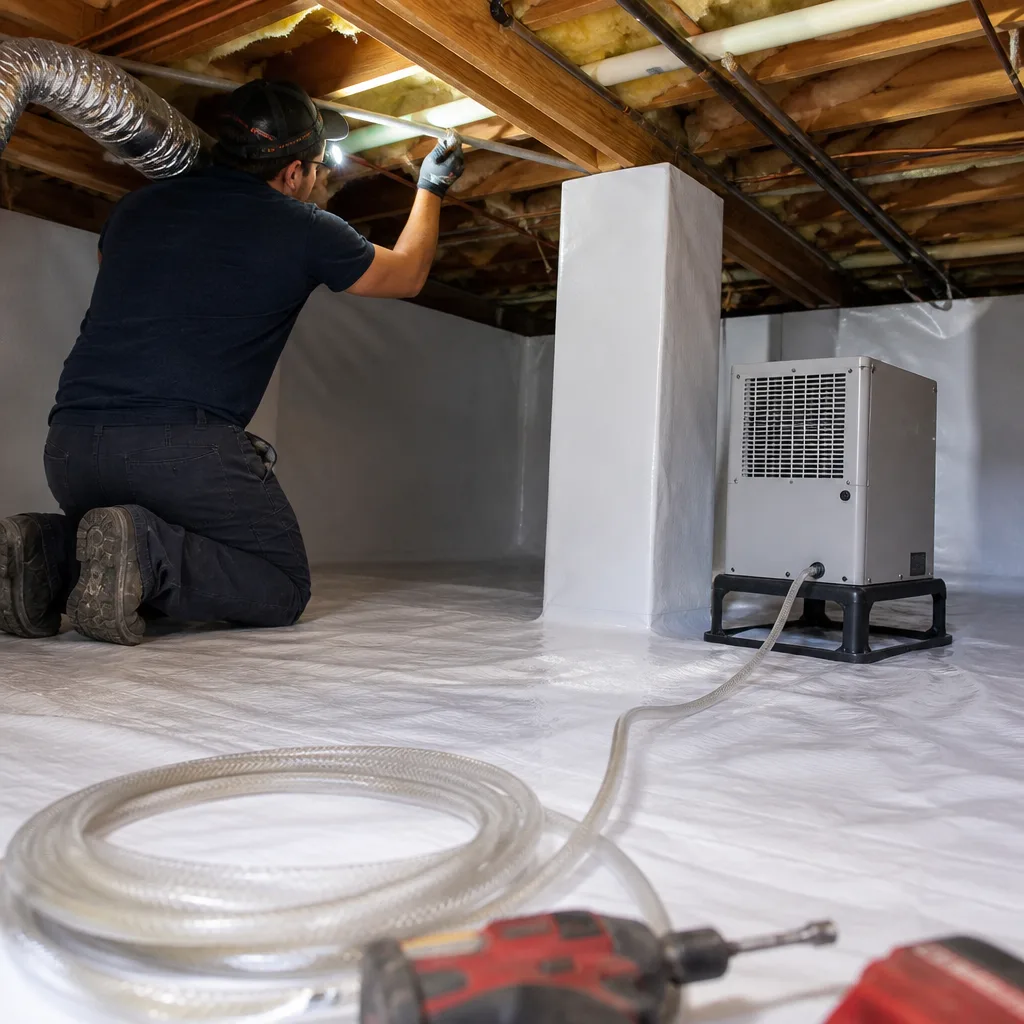
- Musty odor rising from crawl space or basement rim joists. Rockwool won’t mold, but organic dust that collects on its surface will if the vapor barrier lets ground moisture through. The smell means vapor is reaching the assembly, not that the insulation itself is contaminated.
- Visible condensation on the barrier’s interior face. This indicates the barrier was installed on the wrong side of the assembly for our climate, or that the perm rating is too high. In Union City’s mild marine zone, vapor drive is weaker than in Sacramento, but a reversed barrier still traps moisture against framing.
- Sagging or separated seams in the barrier film. Rockwool batts are dense and will compress a loosely taped seam over time. We see this most often in Decoto corridor homes where the original installer used duct tape instead of pressure-sensitive acrylic tape rated for polyethylene.
- Insulation displacement at plumbing or HVAC penetrations. Rockwool’s rigidity holds shape better than fiberglass, but if the vapor barrier wasn’t sealed with fire-rated caulk or proper gaskets at penetrations, air carries moisture directly past the barrier. The batt looks intact but is thermally bypassed.
- Wood moisture readings above 20% at the subfloor. We carry a pinless moisture meter on every truck. Readings above 20% mean the vapor barrier isn’t blocking soil moisture, and in Union City’s older ranch homes near Alvarado Creek, that moisture gradient can rot rim joists before the insulation shows any outward change.
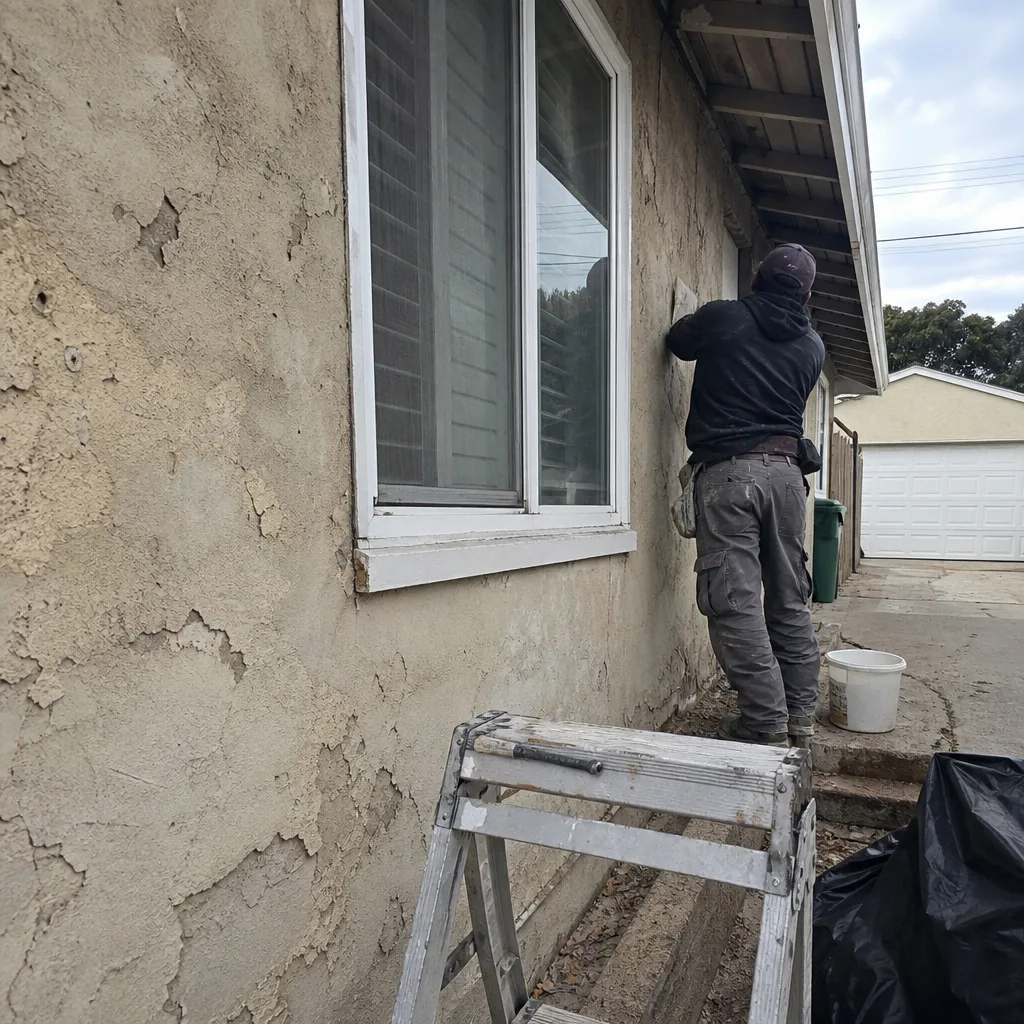 Before
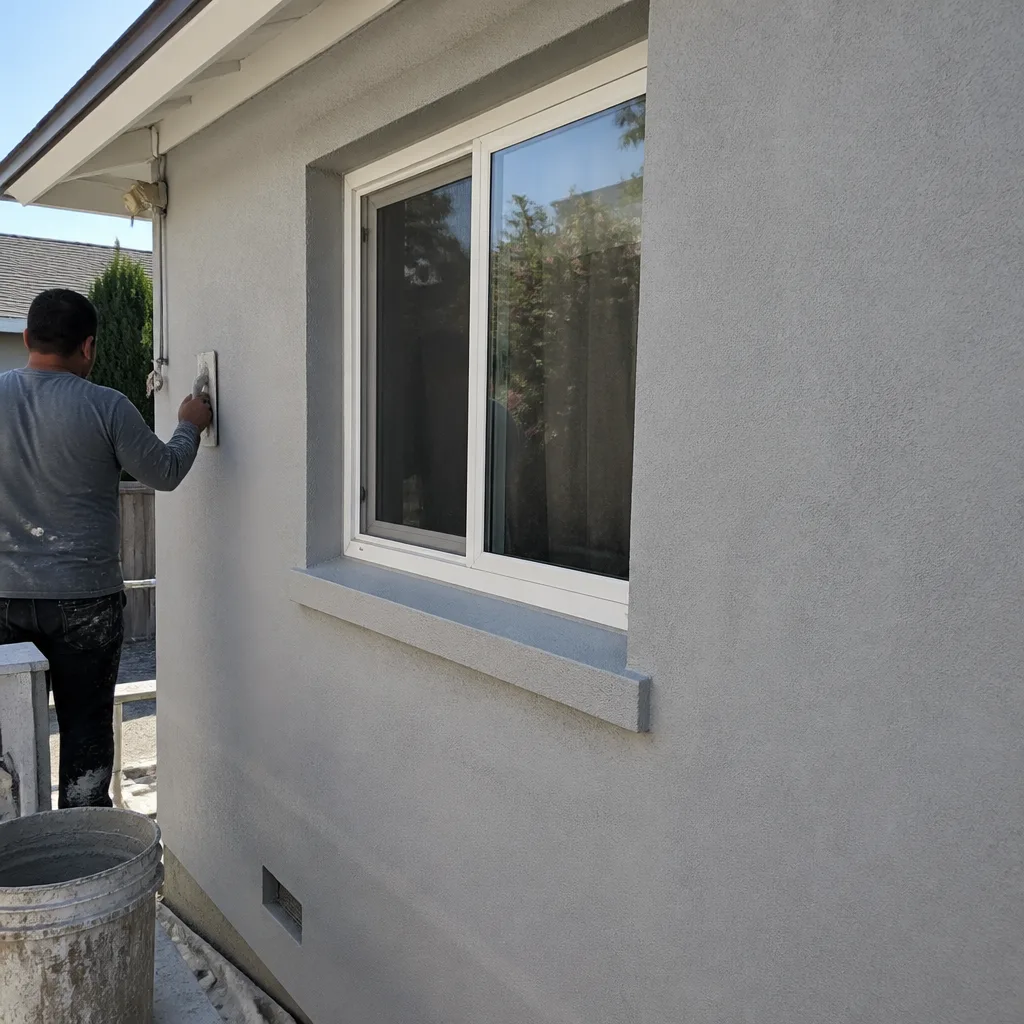 After
AfterReplacement Cost & What’s Included
Most complete Rockwool vapor barrier replacements in Union City run $1,800-$3,400 for a standard 1,200-1,800 square foot crawl space, and $2,400-$4,200 for attic applications with complex penetrations. The range depends on three factors: whether we can reuse the existing Rockwool batts after drying and inspection, how much of the barrier requires removal versus spot repair, and whether the job includes air sealing of top plates and can lights before the new barrier goes in.
| Component | Union City Price Range |
|---|---|
| Vapor barrier material (6-mil poly to vapor-variable membrane) | $0.45-$1.20/sq ft |
| Seam tape, mastic, and termination fasteners | $180-$340 |
| Labor: removal, surface prep, installation | $1,200-$2,400 |
| Air sealing of penetrations (Haven Standard prerequisite) | $340-$680 |
| Before-and-after blower-door test | Included |
Every job gets a Written Price Before Any Work Starts under Haven Standard Clause 1, a Documented Photo Record of the existing condition and completed assembly, and our 365-Day Done Right Promise. We source membranes from Owens Corning, Johns Manville, Knauf, Rockwool, CertainTeed, and other manufacturers, no proprietary lock-in. Call (650) 381-1512 for an exact quote, estimates are free.
DIY or Call Us?
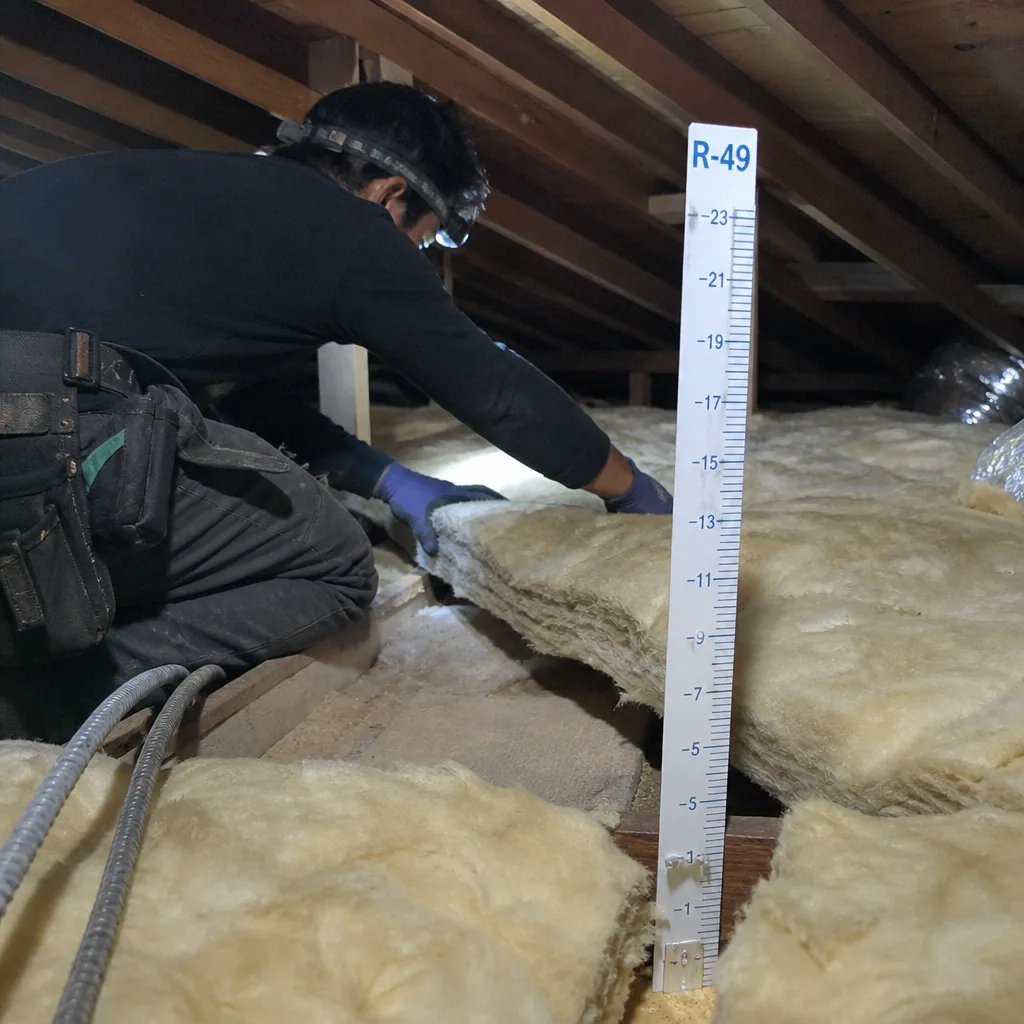
You can safely inspect your own vapor barrier with a flashlight and a moisture meter from the hardware store. Look for tears at seams, gaps at the perimeter where the barrier meets the foundation wall, and any area where the barrier is held down by loose gravel rather than mechanical fasteners. What you cannot safely assess is whether the barrier’s perm rating matches your Rockwool assembly and climate zone, or whether air leaks at the rim joist are rendering the barrier irrelevant.
DIY replacement of a crawl space vapor barrier involves hours of work in confined space, contact with soil contaminants, and the risk of improper sealing that traps moisture rather than blocking it. The R-value on the bag is what the material does in a lab. The number on your blower-door report is what your house actually does, and those two figures are not always friends. We bring calibrated blower-door equipment, a written scope, and a crew that seals air bypasses before a single tool touches the barrier. For Rockwool vapor barrier installation in Union City, call (650) 381-1512.
FAQs
A properly installed 6-mil polyethylene barrier lasts 15-20 years in Union City’s climate zone 3C, though the clay soils here keep ground moisture elevated longer than in sandy areas, which can shorten lifespan at the perimeter. Vapor-variable membranes from Stego or Pro Clima often reach 25+ years. Call (650) 381-1512 and we’ll inspect what you have, estimates are free.
Spot repairs work if the damage is limited to a single seam or small puncture and the remaining barrier is 6 mil or thicker with intact ASTM E1745 markings. We tape with pressure-sensitive acrylic and verify with a smoke pencil. If the barrier is brittle, unmarked, or failing at multiple points, replacement is more cost-effective than chasing leaks. Call (650) 381-1512 for an assessment.
Most crawl spaces in Union City take one to two days: half a day for removal and surface prep, half a day for installation and sealing, plus the blower-door test. Attics with complex penetrations may run two to three days. We don’t start until you have a written price and a written scope in hand.
Yes. We carry 6-mil polyethylene, cross-laminated HDPE, and vapor-variable membranes in common widths, plus acrylic seam tape, mastic, and mechanical fasteners for Rockwool assemblies. For Union City jobs, we can typically start same-day or next-day once the written price is approved. Call (650) 381-1512 to confirm current stock for your specific Rockwool model.
Topside Attic Insulation Union City is an independent service provider, not affiliated with Rockwool. We also stock parts for Reflectix and other building envelope systems.
Ready to stop moisture from undermining your Rockwool installation? Call (650) 381-1512 for a free estimate in Union City. We’ll bring a blower door, a moisture meter, and a written price before any work starts. Every job closes with a Documented Photo Record, and on applicable work, you’ll get before-and-after pressurization readings that show exactly how much conditioned air your home stopped losing.
Written by Wes Okafor, Owner & Lead Insulation Technician, Topside Attic Insulation Union City at Topside Attic Insulation Union City, serving Union City and nearby areas.