
Icynene Attic Insulation: The Union City Owner’s Guide
We stock and install Icynene-compatible spray foam and hybrid attic insulation systems in Union City, with most complete attic treatments running between $4,200 and $7,800 depending on square footage and whether the existing material needs full removal. Same-day assessment and next-day installation are standard when we have your attic dimensions and photos ahead of the visit. Most Union City homeowners first suspect a problem when their PG&E bill climbs 20-40% year-over-year despite no change in thermostat habits, or when they notice the second floor of their Decoto corridor or Alvarado-Niles area home runs 8-12 degrees hotter in July than the downstairs.
Which Icynene Models This Applies To
Icynene produces two primary product families for residential attic application: the open-cell Classic Plus series (LD-C-50, LD-C-50-X, and the higher-density LD-C-70) and the closed-cell ProSeal series (MD-C-200 and MD-C-200-HFO). The label you’re looking for is a 3-inch by 4-inch yellow tag stapled to a rafter or joist near the attic hatch, printed with a batch code starting with “IC-” followed by the density rating. Classic Plus open-cell runs roughly 0.5 pounds per cubic foot and feels spongy to the touch; ProSeal closed-cell runs 2.0 pounds per cubic foot and is rigid, like cutting through stale bread.
Here’s where compatibility gets specific: Icynene’s open-cell and closed-cell products cannot be layered over each other without a full removal and re-prep. We’ve inspected attics in Union City where a previous contractor sprayed closed-cell over deteriorating open-cell from a 2012 install, creating a trapped moisture plane that rotted the roof deck in four years. For partial repairs, we match the existing chemistry exactly. For full replacement, we often recommend transitioning to a hybrid system - closed-cell on the roof deck for air sealing, open-cell or blown-in on the floor for thermal value - which we price separately so you see where every dollar lands.
Topside Attic Insulation Union City is an independent service provider with no affiliation to Icynene Corporation. We source Icynene material through authorized distributors and also stock compatible formulations from Demilec and CertainTeed when the project calls for it.
Signs Your Icynene Attic Insulation Is Failing
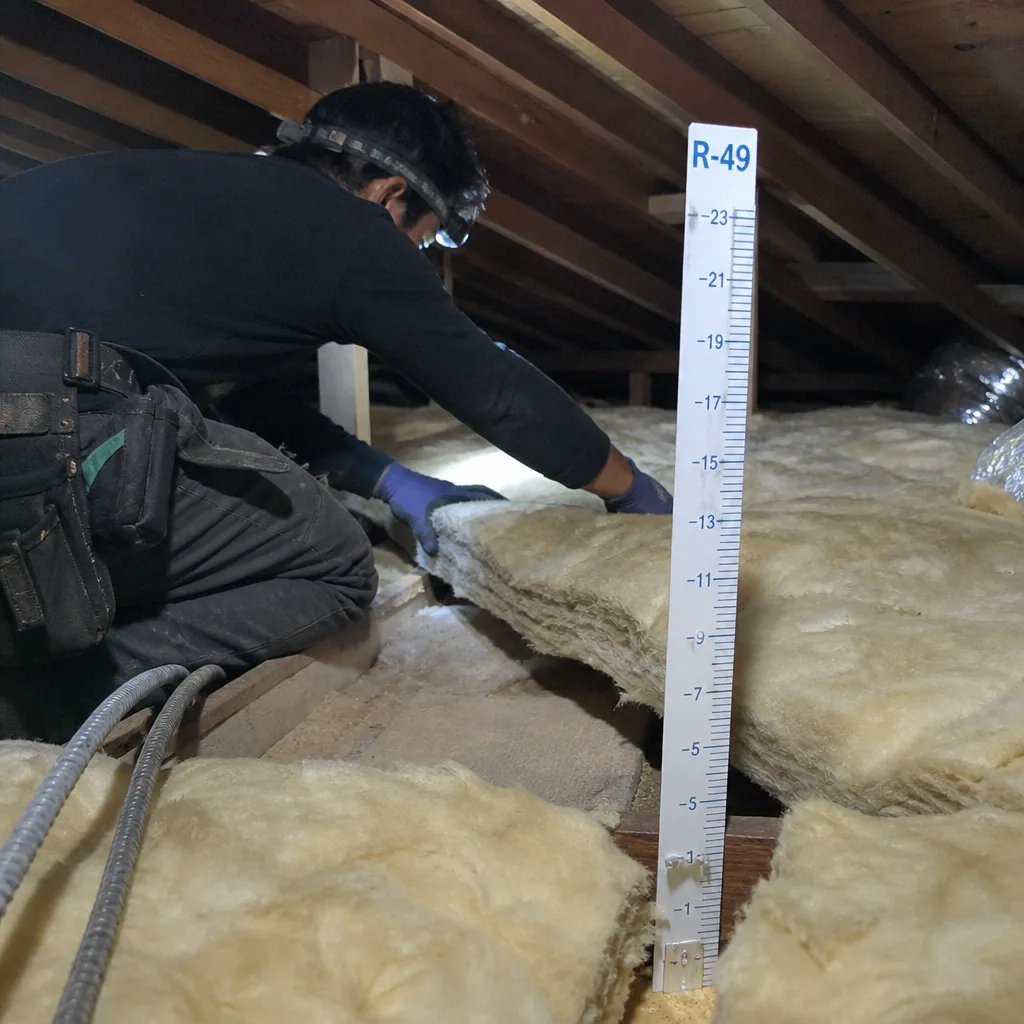
- Yellowing or brown streaking on the foam surface. UV degradation hits Icynene open-cell hard if the attic has gable vents or a powered ventilator pulling unfiltered air across the surface. In Union City, where the marine layer burns off by 10 a.m. most summer days, that sudden UV exposure accelerates the breakdown. The foam doesn’t lose R-value immediately, but the surface crusts and sheds particles into your HVAC return.
- Soft or powdery spots that compress under light finger pressure. Open-cell Icynene is meant to rebound after compression. If it stays dented, the polymer chain has broken down - usually from roof leak moisture that wasn’t caught early. We find this most often in homes near the Hayward fault zone with older concrete tile roofs that shift microscopically and crack flashing.
- Visible gaps between foam and framing members. Icynene expands to seal, but if the substrate was cold or oily during application, adhesion fails and a convection highway opens up. Your blower-door number - the pressurization reading showing how much conditioned air your envelope loses - jumps by 300-600 CFM50 from gaps you can’t see without crawling to the eaves.
- Musty odor cycling through the HVAC system. Closed-cell Icynene is a vapor barrier; open-cell is not. When open-cell is used below a roof deck without proper venting, winter condensation in Union City’s 45-55°F attic nights wets the foam’s backside. Mold doesn’t grow in the foam itself, but on the dust that settles on it. The smell is the symptom; the moisture management is the disease.
- Ice-cold drywall on second-floor ceilings in January. This is the late-stage signal. The Icynene has either shrunk away from the perimeter or settled below its original thickness, and thermal bridging through the framing dominates. We measure this with an infrared camera - the studs show as blue stripes 16 inches apart against a warmer field.
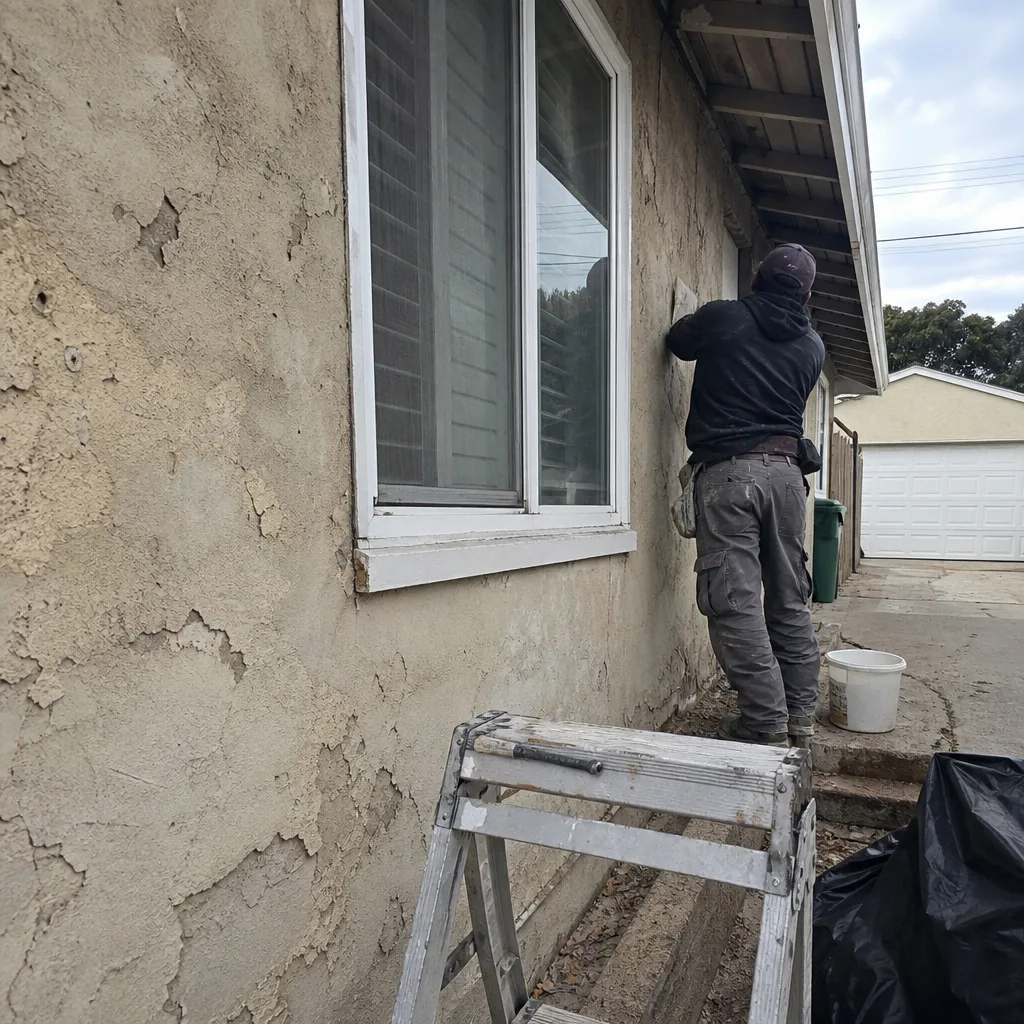 Before
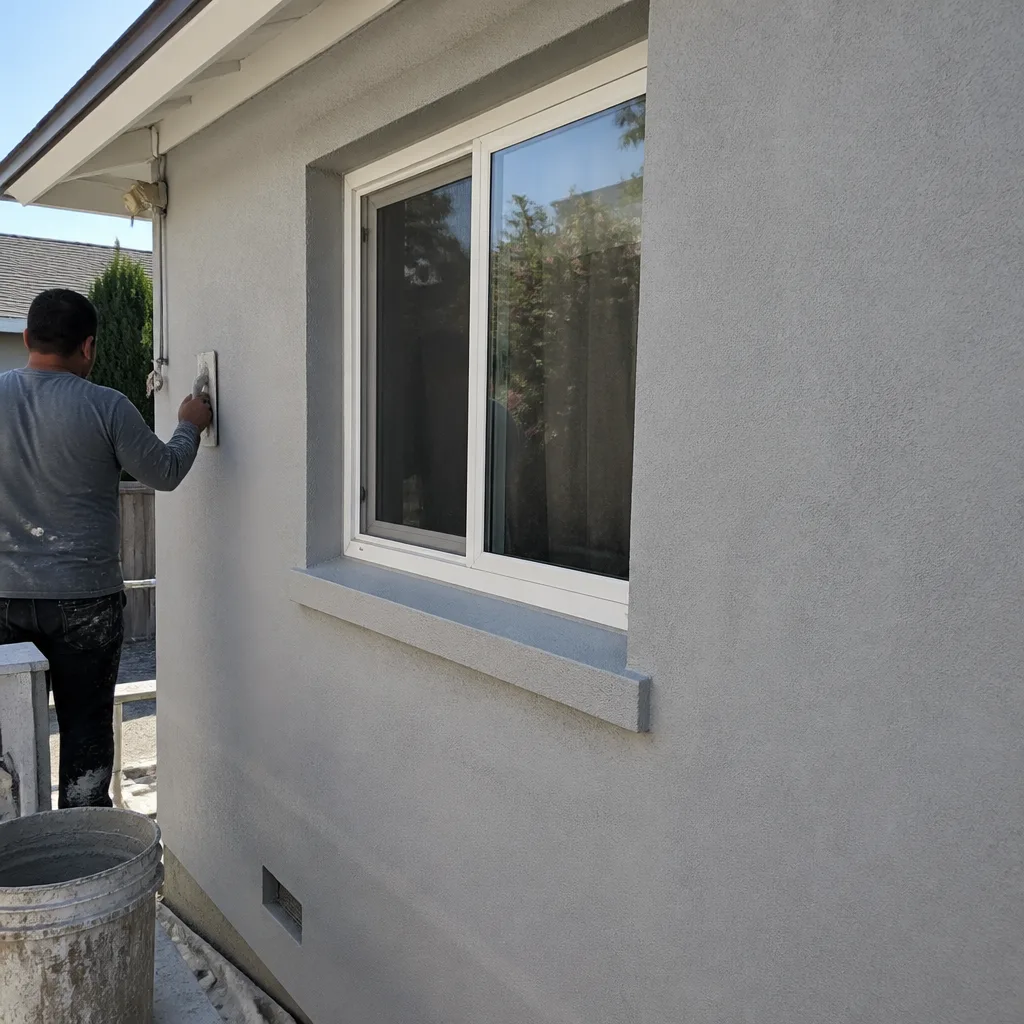 After
AfterReplacement Cost & What’s Included
For a typical 1,200-1,800 square foot Union City attic with pitched roof and existing Icynene removal required:
| Full removal and disposal of failed Icynene | $1,800 - $2,800 |
| Attic floor air sealing (top plates, can lights, penetrations) | $1,200 - $1,900 |
| New Icynene open-cell spray foam, 5.5″ depth (R-19 nominal) | $3,200 - $4,800 |
| New Icynene closed-cell spray foam, 3″ depth (R-19 nominal) | $4,800 - $6,400 |
| Hybrid system (closed-cell deck + blown-in floor) | $5,400 - $7,800 |
The range driver is access. A 12/12 pitch roof with a hatch in a closet costs more than a walk-up attic with standing headroom. Every quote we write in Union City includes the removal, the air sealing as a separate line item - we will not insulate over an unsealed attic floor - and the new material with depth verification photos. Before-and-after blower-door numbers are published on every job. Under Haven Standard Clause 1, you get a flat written price, written scope, and written warranty before anyone lifts a tool. The 365-Day Done Right Promise covers all completed work.
DIY or Call Us?
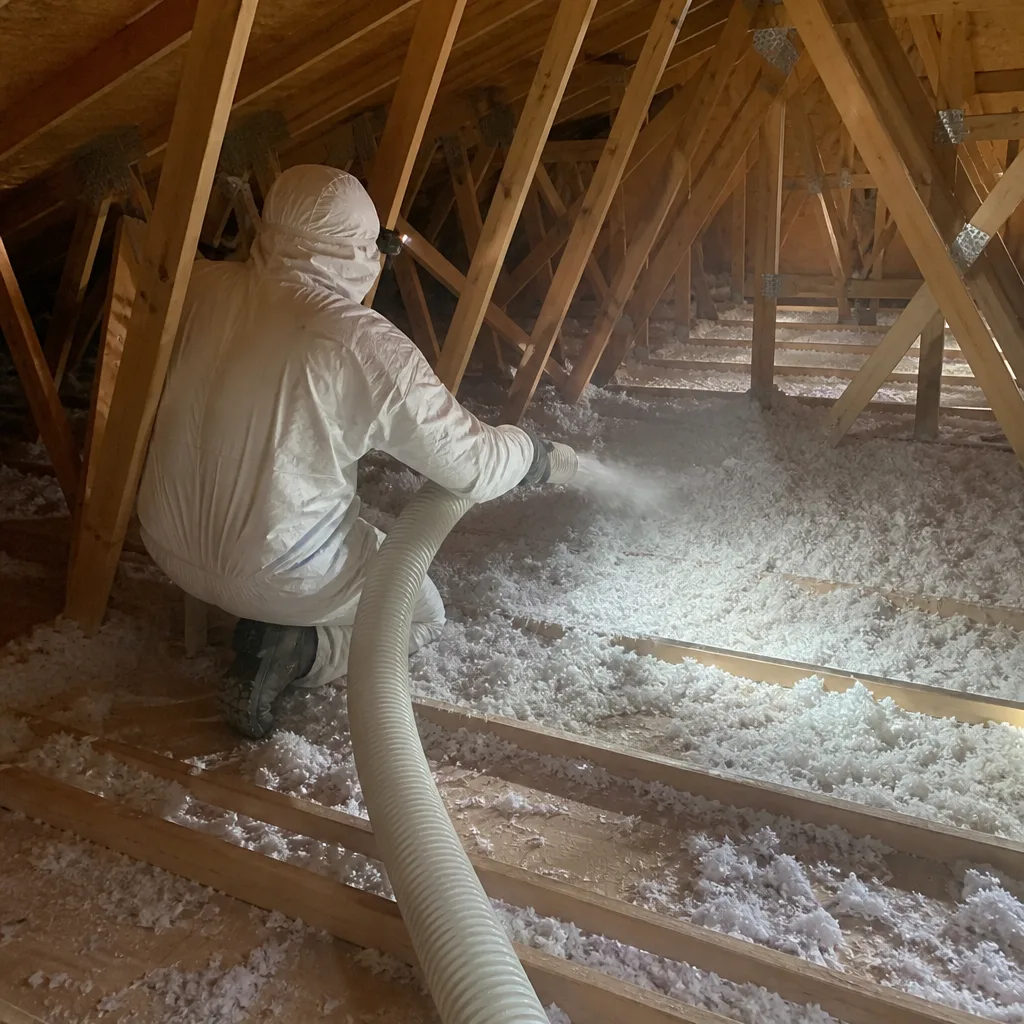
Here’s what you can safely check yourself: read the yellow label for the batch code, photograph any discoloration or gaps from the attic hatch with your phone’s flash on, and note whether your PG&E bill has a sharp seasonal spike. Do not attempt to cut, remove, or add to existing Icynene foam. Open-cell tear-out releases respirable particulates; closed-cell removal requires a heat gun and ventilation setup that most homeowners don’t own. More critically, disturbing attic insulation without sealing the HVAC returns first pumps debris through your entire duct system. We’ve been called to Union City homes where a well-meaning owner created a $3,400 duct cleaning problem solving a $200 insulation gap. If you’re uncertain what you’re looking at, text us photos to (650) 381-1512 and we’ll tell you what we see - no charge, no pressure to book.
FAQs
In Union City’s mild, marine-influenced climate - rarely below freezing, rarely above 90°F - properly installed Icynene should perform for 25-30 years. The failure mode we actually see is not age degradation but installation error: foam applied to a damp substrate, or insufficient depth at the eaves where wind washing occurs. We’ve replaced Icynene in 8-year-old homes near Alvarado Adobe Park because the original crew skipped the vapor retarder on the warm side. Call (650) 381-1512 for a free assessment if you’re unsure of your install date or depth.
Localized damage - a softball-sized area from a roof leak, say - can be cut out and patched with matching chemistry. But if the failure is widespread yellowing, shrinkage, or moisture saturation, partial repair creates seams that become new air leaks. We photograph the full attic floor and show you the percentage of compromised area before recommending patch versus strip. Most Union City jobs over 30% compromised area go to full replacement because the labor to patch neatly exceeds the labor to start clean. Bring us any written estimate for a free second opinion.
Removal and reinstallation of a typical 1,500 square foot attic takes two days: Day one for removal, deck prep, and air sealing; day two for spray application and cure time before occupancy. Closed-cell cures harder in 24 hours; open-cell in 4-6 hours but we still hold the second day for trimming and quality check. We text you the crew’s arrival window and send a named technician - no rotating subcontractors.
We don’t carry liquid foam components on service trucks - the isocyanate and resin require climate-controlled storage and precise temperature staging before the gun. What we do stock: inspection gear (moisture meters, infrared cameras, blower-door fans), full containment and removal equipment, and the air-sealing materials (acoustical sealant, rigid foam plugs, fire-rated caulk) that must be in place before any new Icynene goes in. For Union City jobs, we order material to spec after the assessment and typically install within 48-72 hours. If you need same-day emergency thermal protection - say, a roof tear-off exposed your attic - we can install temporary rigid foam board while the Icynene cures.
We also stock parts and materials for Reflectix radiant barrier systems when a hybrid approach makes sense for your roof assembly.
Ready to see what your attic is actually doing? Call (650) 381-1512 for a free estimate. We’ll bring the blower door, the camera, and a written price before any work starts. The R-value on the bag is what the material does in a lab. The number on your blower-door report is what your house actually does - and those two figures are not always friends.
Written by Wes Okafor, Owner & Lead Insulation Technician, Topside Attic Insulation Union City at Topside Attic Insulation Union City, serving Union City and nearby areas.