
Attic Baffles & Ventilation Prep in Union City, CA
Attic baffles - the rigid channels that hold eave vents open against blown or batted insulation - are the piece most contractors skip, and skipping them turns a well-insulated attic into a moisture trap. In Union City, where marine air off the bay pushes relative humidity into the 80s on winter mornings, a blocked soffit vent is not a minor oversight; it is the setup for condensation damage, mold, and premature roof deck rot. Our ventilation prep work installs or restores those channels, confirms airflow from eave to ridge, and documents the result before any Attic Insulation services go down.
This page covers the ventilation prep we do as a required step inside every Attic Insulation in Union City job we take on, and as a standalone service when a homeowner or roofer has identified a specific airflow problem. If you want a written price before anything starts, call us at (650) 381-1512 - a live person answers, no voicemail loop.
Envelope Insulation Co., operating as Topside Attic Insulation Union City, has been independently owned and operated under The Haven Standard since 2016. Wes Okafor leads every job with the same rule: the ventilation path is confirmed open before a single bag of insulation is staged in the driveway. There is no exception to that sequence.
Why Ventilation Prep Matters Before Insulation in Union City
Most Bay Area homes built between 1955 and 1985 were framed with 2×4 or 2×6 rafters and 1-inch soffit vents - a design that assumed the attic would stay relatively empty. Once you add 16 inches of Attic Batt Insulation or blown material to meet current Title 24 requirements, those vents disappear under the material unless baffles are already in place. The result is a sealed dead-air zone that collects moisture from cooking, showering, and breathing, and that moisture goes directly into the sheathing.
Union City’s specific geography makes this worse. The city sits at the base of the East Bay hills, and the prevailing westerly winds pull bay moisture inland across the flatlands of Decoto and Alvarado before rising toward Crestwood and the upper Fremont border. Attics in the lower-elevation tracts around Decoto Road and the neighborhoods adjacent to the Alameda Creek corridor see measurably more condensation risk than equivalent homes in drier inland cities. We note this in every pre-job assessment for Union City homes because the fix for a humid climate is more ventilation, properly protected – not less.
For a full explanation of how ventilation prep connects to the broader insulation project, see the Attic Insulation in Union City parent page. And if you want context on where this sits within the full building-envelope picture, the home page lists every service line we carry.
When You Need Attic Baffles & Ventilation Prep
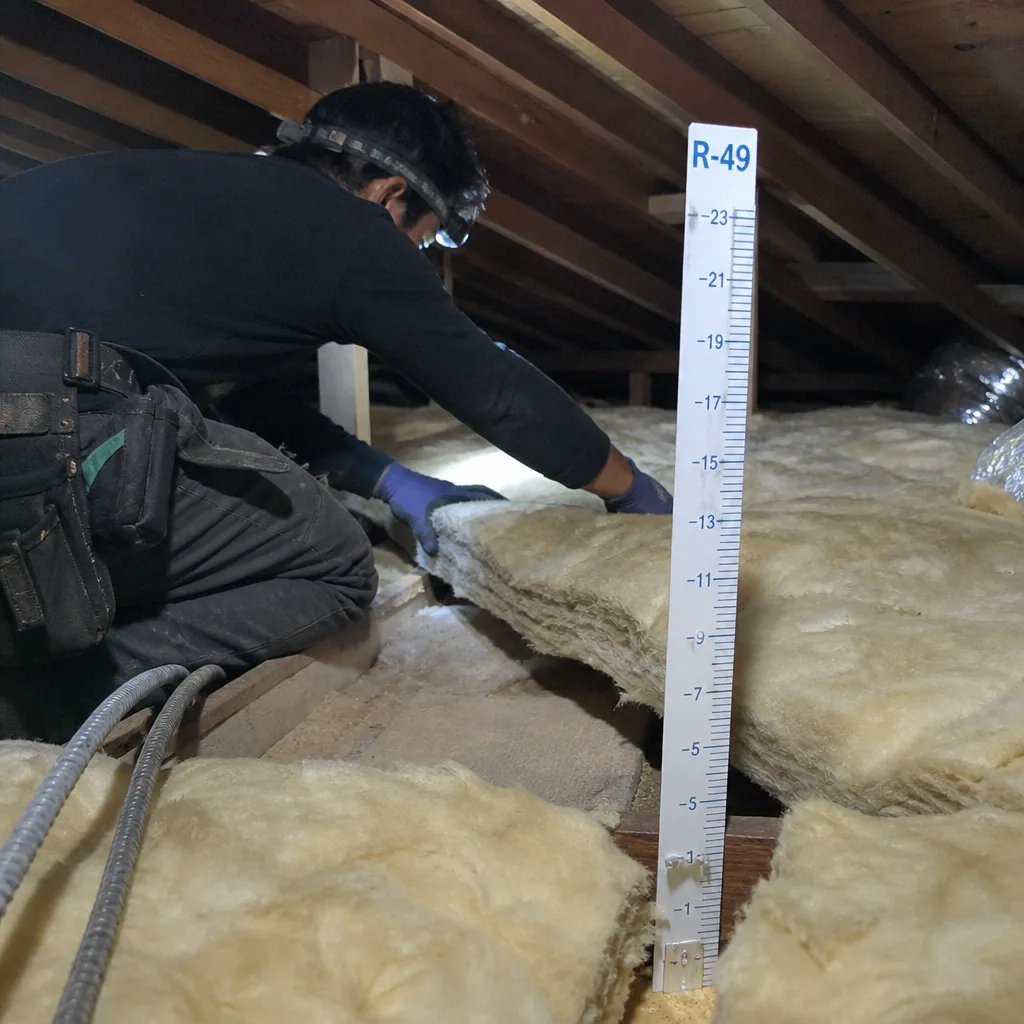
- You’re planning new blown-in insulation and the attic currently has no baffles. Without baffles, fresh material will press directly against the back of the soffit and block the only intake vent in most ranch-style homes. We install baffles in every rafter bay before GreenFiber or any other blown product goes in.
- Your existing baffles are cardboard, crushed, or missing in spots. Original builder-grade cardboard baffles in Union City homes from the 1970s and 1980s have a typical lifespan of 15 to 20 years. If they’ve collapsed, the vent path is already blocked even before you add more insulation.
- You notice uneven temperatures room to room, particularly in second-floor bedrooms during summer. In Union City’s older split-levels along the Decoto and Alvarado corridors, blocked rafter bays trap superheated air over specific sections of the roof, and those rooms run 6 to 10 degrees warmer than the rest of the house in August.
- A roofer or home inspector flagged condensation staining or dark streaks on the underside of the roof deck. That staining is the visible record of moisture that had nowhere to go. It means the attic’s exhaust path – ridge vent, gable vent, or powered vent – was working without a matching intake, creating a pressure imbalance that pulled humid interior air up through ceiling penetrations.
- Your energy bill went up after a previous insulation job. This happens when a contractor added insulation without confirming the ventilation path, the attic overheats in summer, and the air conditioner runs longer. More insulation should lower bills – if it didn’t, the vent path is a likely cause.
- You’re replacing an old powered attic ventilator with passive ridge vent. That conversion changes the pressure dynamics of the entire attic and requires a full baffle audit to make sure intake capacity matches the new exhaust configuration.
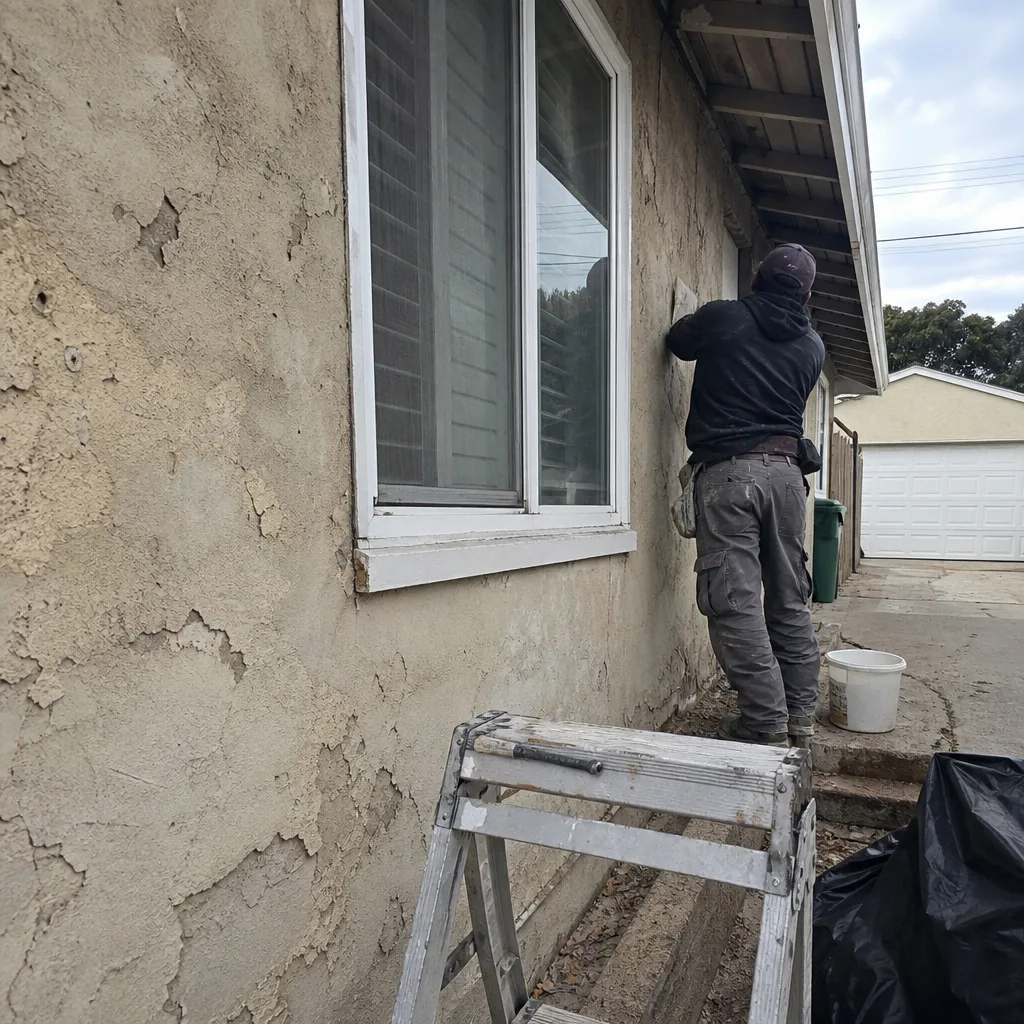 Before
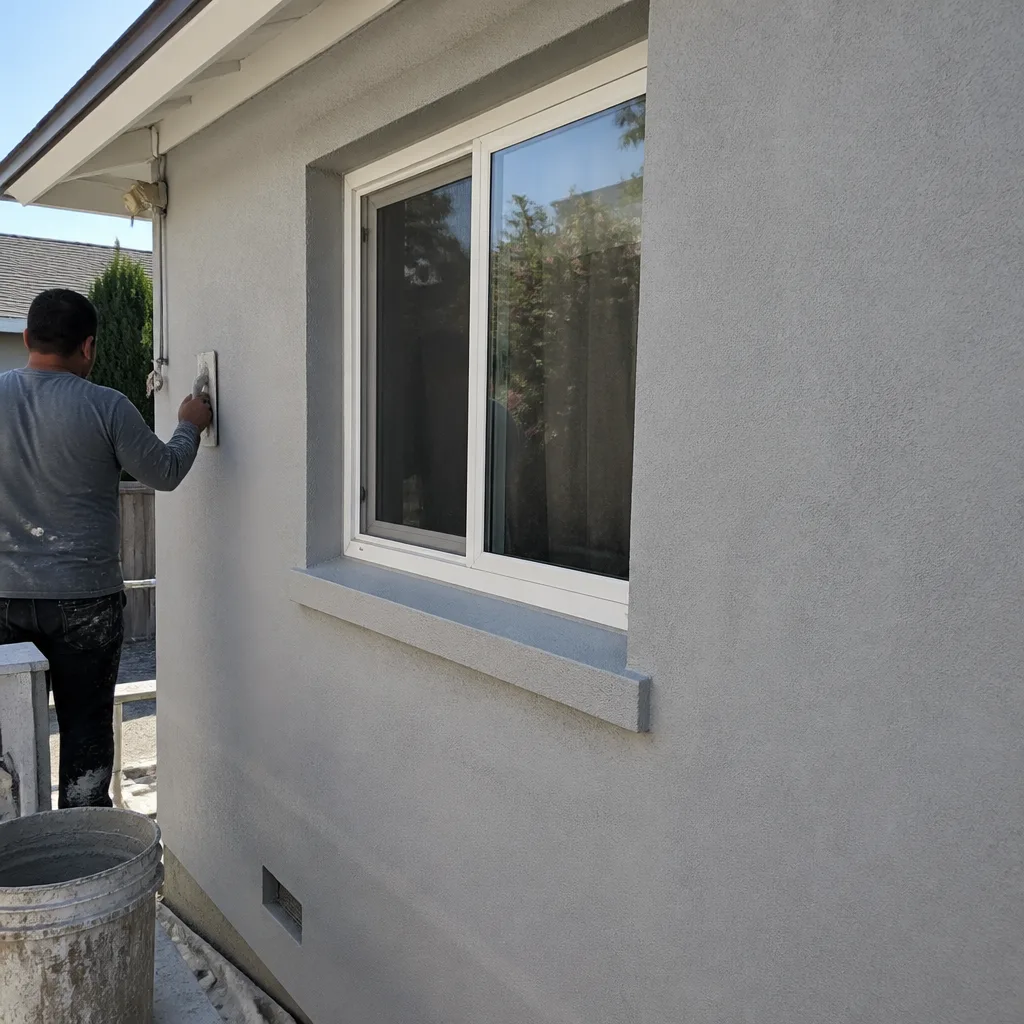 After
AfterOur Attic Baffles & Ventilation Prep Process
- Pre-job attic assessment and vent count. Before any material is staged, a technician goes into the attic with a flashlight and a measuring tape and physically counts the intake vent openings along the eave line. In Union City’s attached-garage townhomes near the BART corridor, that count is sometimes zero on the garage-side eave – a problem the homeowner had no way to see from ground level. The assessment produces a written summary of vent count, existing baffle condition, and any obstructions. You get a copy.
- Blower-door baseline reading (on applicable jobs). On jobs that include air sealing, we run a blower-door test – a pressurization reading that shows, in one number, how much air the building envelope is losing – before any prep work begins. That number is the before figure. We record it, document it, and give it to you in writing so the after reading has something real to compare against. Under The Haven Standard, before-and-after blower-door numbers are published on every applicable job.
- Air sealing of attic floor penetrations. Top plates, recessed light cans, plumbing chases, and HVAC boots are sealed before baffles go in and before any insulation is touched. This is not optional and it is not an upsell – it is the first step. Blown insulation over an unsealed attic floor is insulation doing half its job. We use closed-cell spray foam at penetrations and fire-rated caulk at top plates. CertainTeed and other material specs are matched to the substrate and the local Title 24 requirements that apply to Alameda County.
- Baffle installation at every rafter bay. We cut and fit rigid polystyrene or cardboard-free polypropylene baffles to each rafter bay along the eave line, securing them so they hold the 1-inch minimum clearance that California’s ventilation code requires between the baffle face and the underside of the roof deck. In older Union City homes with tight 16-inch rafter spacing, this is hand-fitted work – no two rafter bays are exactly the same after 40-plus years of settling.
- Vent opening inspection and clearing. We inspect each soffit vent from the attic side to confirm it is actually open – paint, debris, and pest screen buildup routinely block 30 to 50 percent of the free area of soffit vents in homes that haven’t been serviced. Blocked vents are cleared or, if damaged, flagged in the photo record for repair before insulation proceeds.
- Post-prep documentation and sign-off. Every rafter bay with a new or confirmed baffle is photographed. The vent count, baffle type, and any corrective notes are recorded in the Documented Photo Record that accompanies your job file. On air-sealed jobs, the post-sealing blower-door reading is taken, recorded, and handed to you so you can see the before-and-after numbers side by side. That record is included on every visit – not available on request.
Attic Baffles & Ventilation Prep Pricing in Union City
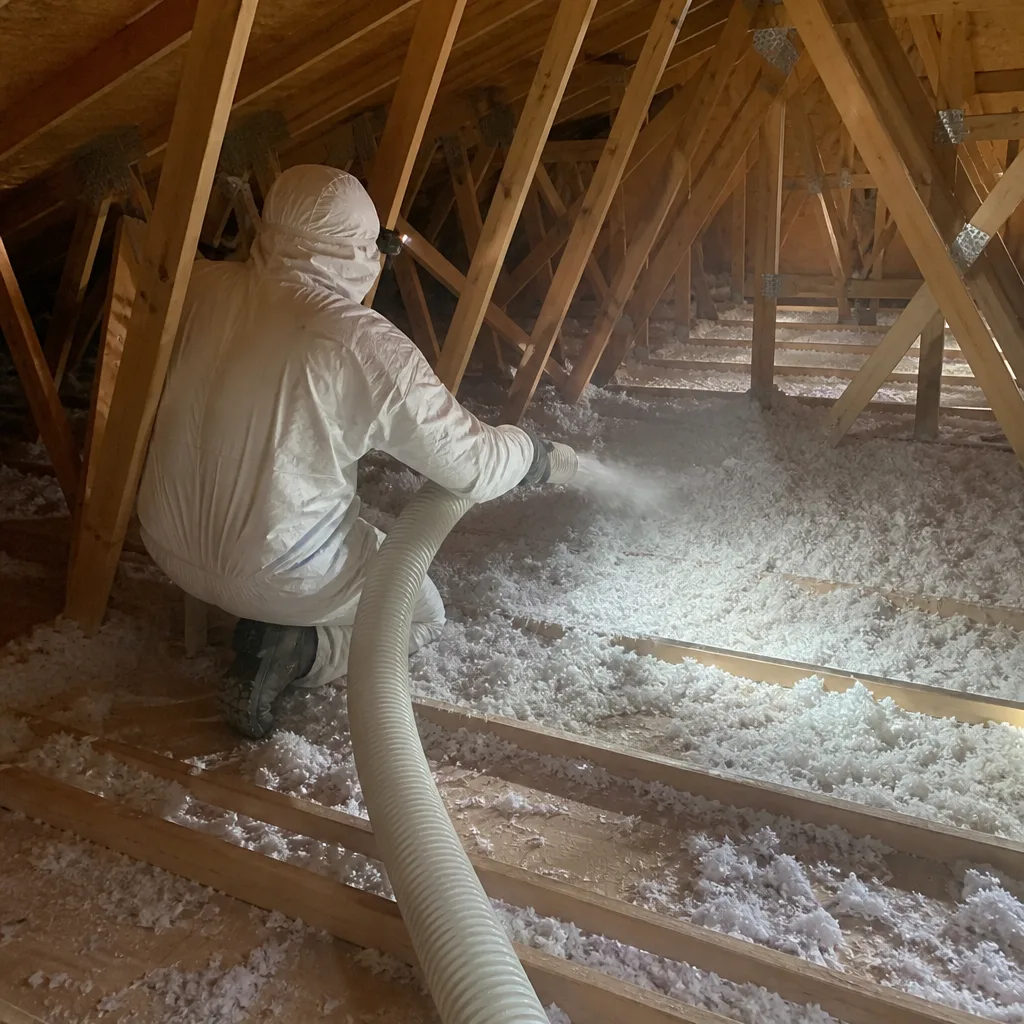
Ventilation prep in Union City runs between $350 and $950 as a standalone service on a typical 1,200- to 1,800-square-foot single-story home. When it is part of a full attic insulation project – which is the more common scenario – the prep work is included in the How Much Does Attic Insulation Cost? (2026 Price Guide) - Union City, CA rather than billed separately, because we will not start an insulation job without it.
Several variables move the number inside that range:
- Rafter bay count and accessibility. A 1,400-square-foot home with a standard 5-in-12 pitch and a full walk-up attic access panel is faster to work in than a 1,400-square-foot home with a 3-in-12 low-slope roof and an 18-inch access hatch. Tight attics in some of the mid-century tract homes near Alvarado-Niles Road add labor time.
- Existing baffle condition. If no baffles exist and every rafter bay needs a new one, material and labor costs are higher than a job where half the bays already have serviceable baffles that just need clearing and re-securing.
- Vent repairs needed. If damaged soffit vents need replacement rather than just clearing, that work is quoted separately and added to the written scope before anyone starts.
- Scope of air sealing required. Homes with many recessed can lights – common in Union City homes remodeled in the 2000s – require more sealing time at the attic floor before baffles can go in.
Under Haven Standard Clause 1, you receive a flat written price and a written scope before any work starts. There is no estimate that becomes something larger on the invoice. If you have a competing written quote, bring it – we offer a free second opinion on any written estimate and will read it with you line by line.
To get a written price for your specific Union City home, call (650) 381-1512. Estimates are free, and the price you get in writing is the price you pay.
FAQs – Attic Baffles & Ventilation Prep in Union City
What is an attic baffle and why does my Union City home need one?
An attic baffle is a rigid channel installed in each rafter bay to keep insulation from covering the soffit vent opening. Without baffles, blown insulation – including products like GreenFiber dense-pack cellulose – packs against the back of the soffit and blocks the intake vent completely. In Union City, where bay-area humidity is high enough that an unventilated attic will show condensation staining within two or three winters, blocked intake vents accelerate moisture damage to the roof deck and reduce the effective R-value of the insulation sitting above them. Every home with soffit vents and blown insulation needs baffles at every rafter bay, full stop. Call (650) 381-1512 to have a technician confirm your current baffle count – the assessment is included in the estimate at no charge.
Can you install baffles without replacing my existing insulation?
Yes, when the existing insulation is otherwise in acceptable condition. We pull back the material at the eave line, install the baffles, and redistribute the insulation up to the baffle face. If the existing insulation is compressed, contaminated, or below current Alameda County Title 24 R-value minimums, we will note that in the written scope and give you the option to address it in the same visit. The assessment will tell you exactly what you have before you decide anything. Call (650) 381-1512 for a written price on baffle-only work.
How do I know the ventilation prep actually worked?
On jobs that include air sealing, the answer is a blower-door number – a pressurization reading taken before and after the work that shows, in a single figure, the change in the building envelope’s air loss. We record both readings and give them to you in writing so the result is documented, not described. On baffle-only jobs, the Documented Photo Record shows each rafter bay before and after baffle installation, with vent openings visible and confirmed clear. That photo file is included in every job, not produced on request after the fact. The 365-Day Done Right Promise applies: if something is not right, we come back and make it right under the same written warranty.
Does ventilation prep affect my Title 24 compliance for an insulation permit in Union City?
Alameda County building permits for attic insulation upgrades require that the installed system meets California Energy Code ventilation ratios – generally a minimum 1-to-150 net free vent area ratio unless specific conditions allow 1-to-300. If the existing vent openings don’t meet that ratio, adding more insulation without correcting the ventilation puts the installation out of compliance. We document the vent count and free area as part of every pre-job assessment, and if the numbers don’t clear the threshold, we flag it in the written scope before work starts. A project that passes a permit inspection should have the documentation to prove it did, and the Documented Photo Record we provide is specifically formatted to support that.
What You Walk Away With After This Job
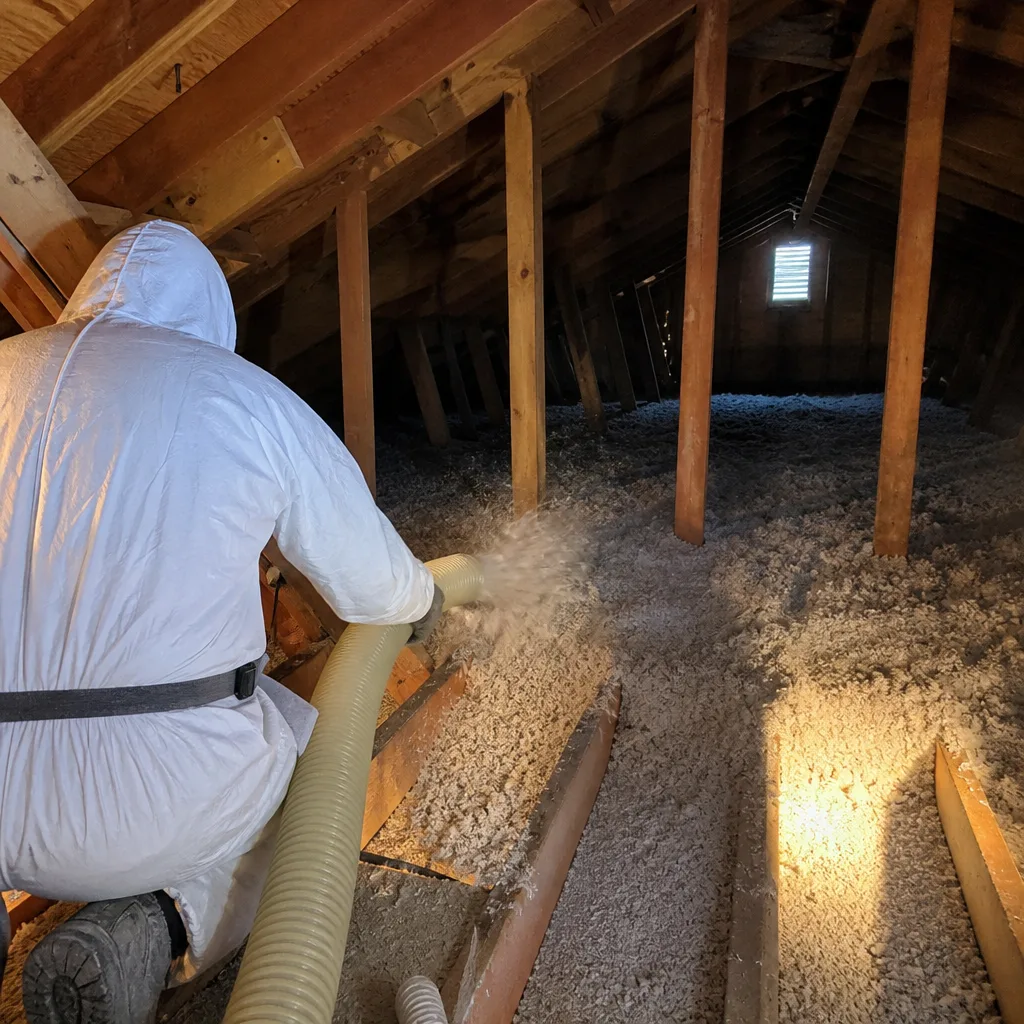
- A written scope and flat written price, signed before any work begins – Haven Standard Clause 1.
- A Documented Photo Record of every rafter bay, every baffle installed, and every vent opening confirmed clear.
- Before-and-after blower-door readings on applicable jobs, in writing, so you can see the air-sealing result as a number.
- A written warranty backed by the 365-Day Done Right Promise.
- A completed job that meets California Title 24 ventilation requirements and is documented to prove it.
Since 2016, Topside Attic Insulation Union City has completed ventilation prep and air sealing as part of more than 9,000 homes sealed and insulated across the Bay Area – every one with a written price before work started and a documented record when the crew left. If you want to know exactly what your Union City home needs and what it will cost, search Attic Insulation Near Me in Union City, CA or call (650) 381-1512. A live person answers. The estimate is free, and the price is in writing before anyone opens a hatch.
Written by Wes Okafor, Owner at Topside Attic Insulation Union City, serving Union City since 2016.