
Attic Insulation Top-Up in Union City, CA
Our Attic Insulation services include top-ups that add a fresh layer of blown-in insulation over your existing material to bring your attic floor up to the R-value your home actually needs. Most Union City homes built before 2005 are sitting at R-19 or lower – well short of the R-38 to R-60 range that performs well in Alameda County’s climate. A top-up is typically faster and less expensive than a full removal job, and when it’s done in the right order, it makes a measurable difference in how hard your HVAC system works.
At Topside Attic Insulation Union City, we’ve been working under The Haven Standard since 2016, which means one rule applies to every top-up job before a single bag of material gets opened: the attic floor is air-sealed first. That’s not an upsell – it’s a prerequisite. Blowing insulation over an unsealed attic floor is like insulating a tent. If you’d like to understand how a top-up fits into the full picture, our Attic Insulation in Union City page covers the broader service. To schedule a written estimate, call (650) 381-1512 – a live person will pick up.
When You Need an Attic Insulation Top-Up
A few situations point clearly to a top-up rather than a full replacement. If any of these sound familiar, your attic floor is worth a closer look.
- Your upstairs rooms are noticeably warmer in summer. Union City sits in a thermal corridor between the Bay and the Tri-Valley, and afternoon heat gain through an under-insulated attic floor is one of the most common complaints we hear from homeowners in the Decoto and Alvarado neighborhoods. If your second floor runs 6 to 10 degrees hotter than your thermostat setting by 3 p.m., thinning insulation is usually a factor.
- Your insulation depth measures under 10 inches. Pull a ruler at the attic hatch. Fiberglass batts or loose fill under 10 inches almost certainly puts you below R-30, which the 2022 California Energy Code treats as the minimum for this climate zone. At 10 inches of standard blown fiberglass, you’re around R-30; at 15 inches, you’re near R-49.
- Your heating bills climbed after 2019 but your usage habits didn’t change. PG&E rates have increased significantly since 2019, but insulation that’s settled, shifted, or been disturbed by rodents loses R-value without looking obviously damaged from the hatch.
- A pest control company or HVAC crew worked in your attic in the last five years. It’s common for technicians to displace or compress existing insulation when running new flex duct or setting traps. Compressed insulation loses R-value proportionally to how much it’s been flattened.
- Your home was built between 1975 and 1995. Many Union City homes from this period were insulated to the codes of the time, which required far less R-value than is standard today. The original material has also had 30 to 50 years to settle.
- You’re planning to sell or refinance. Home energy assessments for FHA loans and some refinancing products now flag under-insulated attics. A documented top-up – with before-and-after blower-door numbers – gives you a clear answer for the appraiser or buyer’s inspector.
Our Attic Insulation Top-Up Process
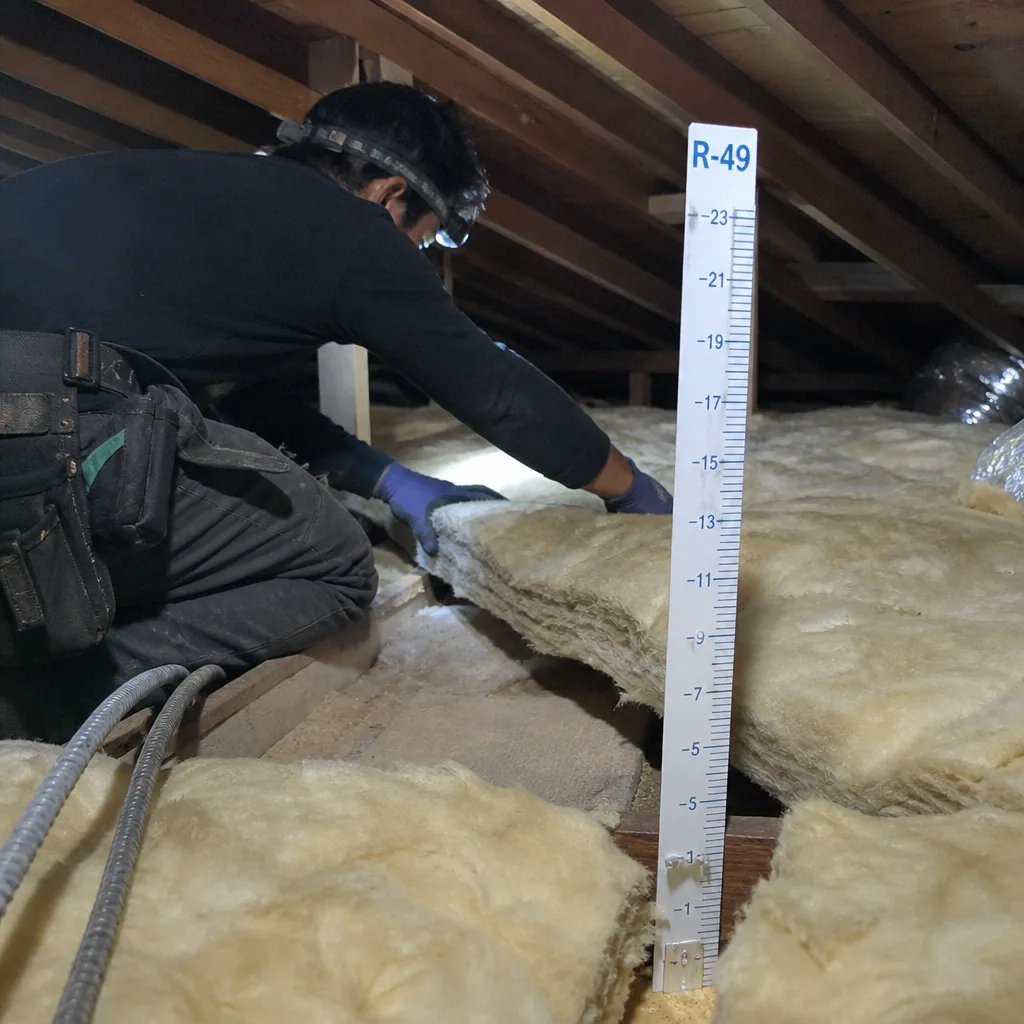
The order of operations matters more than the material. Here is exactly what we do, in sequence, on every top-up job in Union City.
- Written price before anything starts. Under Haven Standard Clause 1, you receive a flat price, a written scope of work, and a written warranty before we touch the attic. No “we’ll tell you once we’re up there.” The number is on paper when we arrive.
- Blower-door baseline reading. Before sealing or insulating, we run a blower-door test – a pressurization measurement that shows, in a single CFM50 figure, how much conditioned air your home is currently losing through the building envelope. This is the “before” number that will appear in your documented job record.
- Air sealing of the attic floor – every penetration, every top plate. We seal recessed can lights, top plates, plumbing stacks, electrical chases, and any other penetrations in the attic floor using caulk, foam, or rigid blocking as the geometry requires. We will not skip this step or move it after the insulation is in. Adding R-value over an unsealed floor reduces energy loss by far less than the R-value number suggests – the DOE has documented that air leakage through gaps accounts for up to 40% of a home’s heating and cooling loss independently of the insulation’s rated value.
- Material selection and depth calculation. We calculate the depth needed to hit your target R-value, starting from whatever your existing material measures. For most Union City top-ups, we’re blowing GreenFiber cellulose or CertainTeed blown fiberglass over existing batts or loose fill. Both materials are appropriate for the Bay Area’s humidity range; cellulose has a slight edge in dense-pack applications where air resistance matters, fiberglass is lighter and easier on older ceiling drywall. We’ll name the material and the settled depth in your written scope.
- Blown-in installation with depth markers set. We set ruler cards across the attic floor before blowing – these are the depth markers that appear in your Documented Photo Record and confirm the installed depth to the target specification. Installation typically runs two to four hours for a standard 1,200- to 1,800-square-foot attic floor in Union City.
- Post-job blower-door reading and documented record. After work is complete, we run the blower-door again and document the after reading alongside the before. You receive a photo record showing the depth markers, the sealed penetrations, and both blower-door figures. That record is yours; it’s not stored somewhere you have to request it – we hand it to you before the crew leaves.
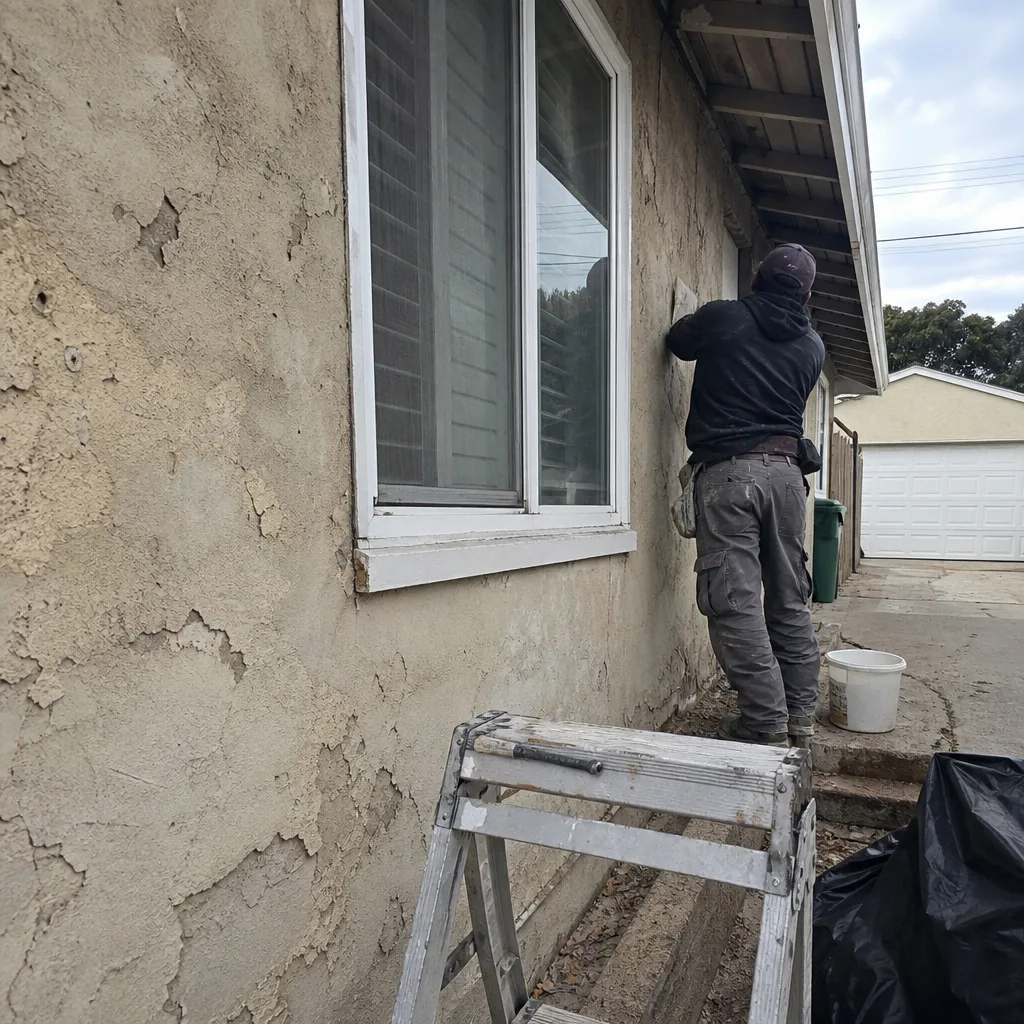 Before
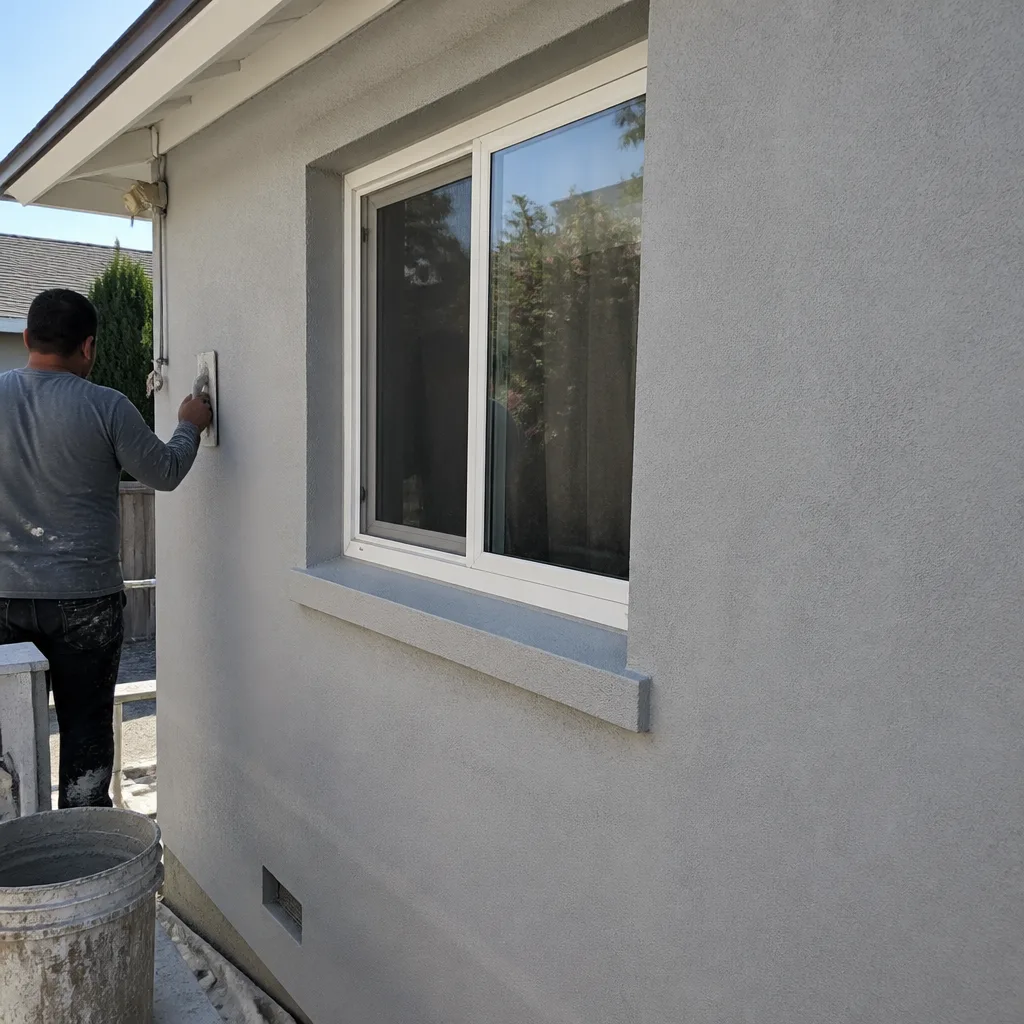 After
AfterAttic Insulation Top-Up Pricing in Union City
Most attic insulation top-up jobs in Union City run between $950 and $2,400 for a single-story home with an attic floor between 1,000 and 2,000 square feet. Here’s how that range breaks down by the variables that actually move the number.
| Factor | Typical Range Impact |
|---|---|
| Attic floor area (per sq ft) | $0.65 – $1.20 / sq ft for blown material and labor |
| Air sealing scope (light vs. heavy) | $200 – $600 added to base |
| Target R-value jump (e.g., R-19 to R-38 vs. R-11 to R-60) | Additional depth adds $0.30 – $0.50 / sq ft per 3 inches |
| Attic access and headroom | Tight access or low pitch (under 4:12) adds $150 – $350 |
| Existing insulation condition | Contaminated or rodent-damaged material may require partial removal first, which is priced separately |
A few things Union City homeowners should know about the local market specifically: homes on the west side of town near the Dumbarton corridor tend to have older insulation that’s settled more aggressively due to the Bay moisture cycling through attic vents. We see more air-sealing work needed per square foot on those jobs compared to homes on the drier eastern slopes toward the 880 corridor. That affects the total, but it shows up in your written price before we start – not as a surprise line on the invoice afterward.
The air sealing portion is priced into the written scope, not added at the end. You see the full number before work begins. If you have a competing written estimate, bring it to us – we’ll read it with you as part of our Free Second Opinion offer and tell you exactly what’s included and what isn’t.
To get a flat written price for your specific attic, call (650) 381-1512. We’ll schedule a site visit and send you a written scope before any work is scheduled.
FAQs – Attic Insulation Top-Up
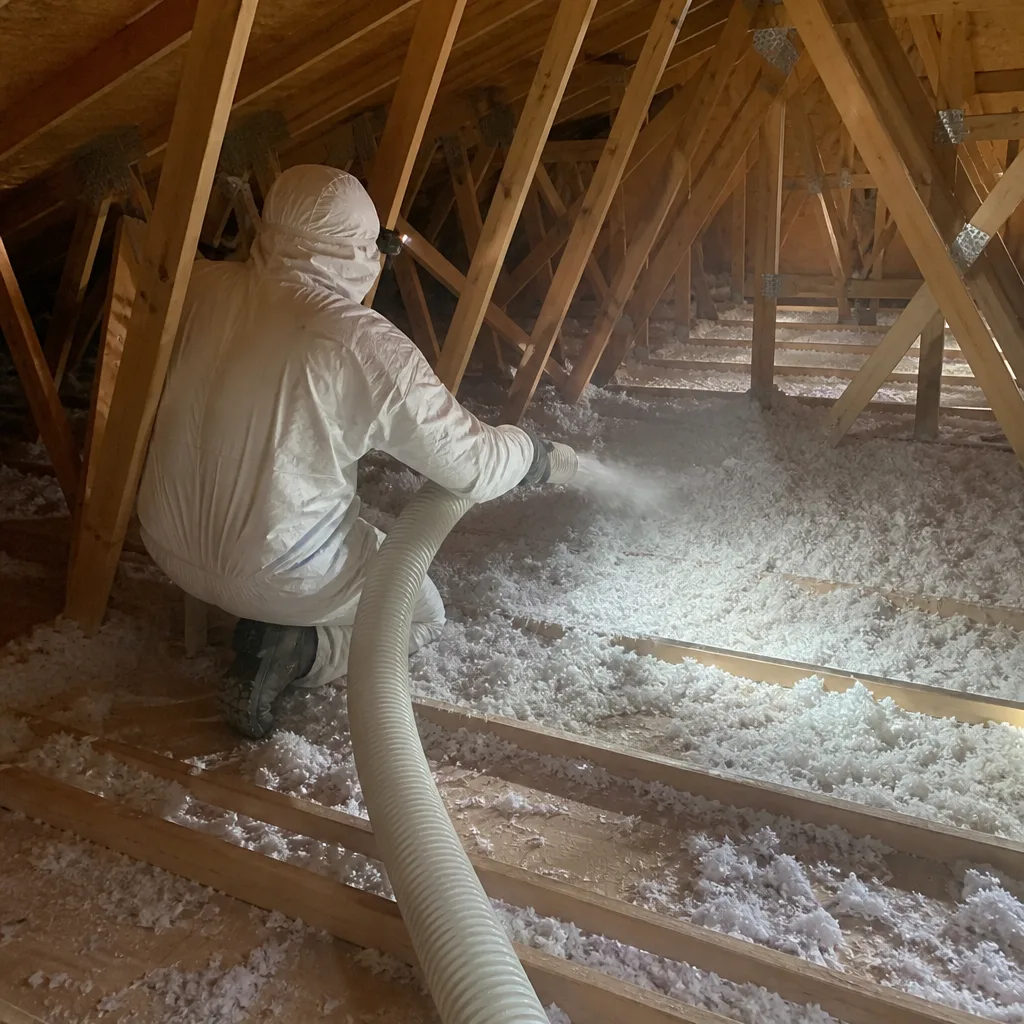
Can you just add insulation on top of what’s already there, or does it need to come out first?
In most cases, existing insulation can stay and the new material goes on top – that’s the point of a top-up with Attic Batt Insulation. The exceptions are when the existing material is contaminated (rodent droppings, mold, or pest debris), when it’s been so severely compressed or wet that its R-value is essentially zero, or when it’s an older vermiculite product that requires a separate hazmat protocol. We assess this during the pre-job inspection and tell you in writing which path applies before pricing the job. If your existing material is in reasonable shape, a top-up is almost always the faster and less expensive route. Call (650) 381-1512 to schedule an inspection and get a written answer specific to your attic.
How much R-value does a typical Union City home need, and what R-value is mine likely at now?
California’s Title 24 and the 2022 Energy Code place Union City in Climate Zone 3, where the recommended attic R-value is R-38 to R-60 depending on the update year and whether the home is new construction or existing. A home built in the 1980s in Union City that has never had insulation added is typically sitting at R-11 to R-19 – roughly 3.5 to 6 inches of original fiberglass batt or settled loose fill. Reaching R-49 from R-19 means adding approximately 10 to 12 inches of blown fiberglass or 8 to 10 inches of cellulose on top. We measure the existing depth at multiple points across the attic floor during the inspection because settled insulation is rarely uniform, and the low spots are where you lose the most heat.
Why do you require air sealing before adding insulation? Can’t I just skip that part to save money?
Skipping Attic Baffles & Ventilation Prep and air sealing before adding insulation is the single most common reason attic insulation jobs underperform relative to the R-value installed. Insulation slows conductive heat transfer – the heat that moves through material. But air leaks are a separate mechanism: conditioned air physically escaping through gaps around top plates, recessed lights, and plumbing penetrations. The Department of Energy estimates air leakage accounts for 25 to 40% of heating and cooling losses in older homes, independent of insulation performance. Adding R-20 of new insulation over a leaky attic floor might recover 60% of the performance you’d get from the same R-value over a sealed floor. We publish before-and-after blower-door numbers on every applicable job so you can see the actual CFM50 change – not because we expect you to take our word for it. We won’t skip air sealing on a top-up job. It’s not optional under our process.
How long does an attic insulation top-up take, and will the crew need to access every room in my house?
A standard top-up on a Union City home with 1,200 to 1,800 square feet of attic floor typically takes four to six hours from arrival to documented wrap. The crew needs access to the attic hatch – usually a pull-down stair in a hallway or closet – and an exterior power connection or indoor outlet for the blower equipment. They will not need to access living spaces beyond the hatch location and one exterior wall for the blower-door setup. Before the crew arrives, you’ll have a named technician and a text when they’re on the way, under our standard scheduling protocol. The photo record and blower-door results are handed to you the same day before the crew departs.
What You Walk Away With
- A flat written price and scope, signed before any work starts (Haven Standard Clause 1 – no exceptions)
- Pre-job blower-door CFM50 reading on file
- Documented photo record showing sealed penetrations and depth-marker cards confirming installed R-value
- Post-job blower-door reading alongside the pre-job number so you can see the measurable change
- 365-Day Done Right Promise in writing – if the result isn’t what the scope promised, we make it right
- Written warranty delivered before the crew leaves
Since 2016, we’ve completed this process on more than 9,000 homes across the Bay Area. Every one of those jobs started with a written price and closed with a documented record. That’s not a marketing posture – it’s the only way we know how to run a job.
If you’re in Union City and your attic hasn’t been looked at in the last ten years, or if a competing contractor gave you a quote you’d like a second set of eyes on, call (650) 381-1512. A live person answers around the clock. We’ll schedule an inspection, measure what’s actually in your attic, and give you a flat written price for the work before we book anything on the calendar.
Written by Wes Okafor, Owner at Topside Attic Insulation Union City, serving Union City.