

Fast, Reliable Blown-In Insulation Across Newark
Blown-in insulation in Newark, CA typically runs $2.80-$4.50 per square foot for attic applications and $3.50-$6.00 per square foot for dense-pack wall work, with most residential jobs completed in a single day. Our crews serve Newark directly from our San Francisco Bay Area dispatch office, and we carry enough GreenFiber cellulose and Owens Corning fiberglass on every truck to handle most ranch-style homes without a return trip.
We know Newark’s housing stock. The city was built out fast between 1955 and the mid-1970s as a planned suburban community, and most of what we see are single-story ranches and modest two-story tracts with original fiberglass batts that have been cooking in bay humidity for fifty-plus years. Those batts don’t fail dramatically. They compress, discolor, and quietly lose R-value while your PG&E bill climbs. We find them every week in neighborhoods from the older tracts near Thornton Avenue to the western edges abutting the Don Edwards refuge.
Call (650) 381-1512 for a free estimate. We’ll give you a written price before any work starts, and you’ll get our documented photo record when the crew leaves.
Why Topside Attic Insulation Union City Is Newark’s Preferred Blown-In Insulation Company
We’ve sealed and insulated more than 9,000 homes since 2016, and a significant share of those have been in Newark and the immediate surrounding communities. Our Newark customers tend to find us the same way: they read our three-star reviews as carefully as our five-star ones, they want to see numbers rather than promises, and they expect documentation they can hold in their hands.
What they get is the Haven Standard. Every job opens with a written price and written scope. Every applicable job closes with before-and-after blower-door numbers, a pressurization reading that shows in one figure how much conditioned air the home was losing before and after our crew touched it. Our 365-Day Done Right Promise applies to all completed work, and a live person answers calls 24/7.
Response time to Newark is typically same-day or next-day for estimates, and we don’t book work we can’t finish. Our trucks carry the full material load for most standard ranch attics because Newark’s 1,200-1,600 square foot tracts are predictable once we’ve seen the layout. No callback windows measured in business days. No “we’ll come back with the rest.”
Wes Okafor has led this operation since its founding, and the crew that arrives at your Newark home will be background-checked, uniformed, and named in your confirmation text.
Our Blown-In Insulation Services in Newark
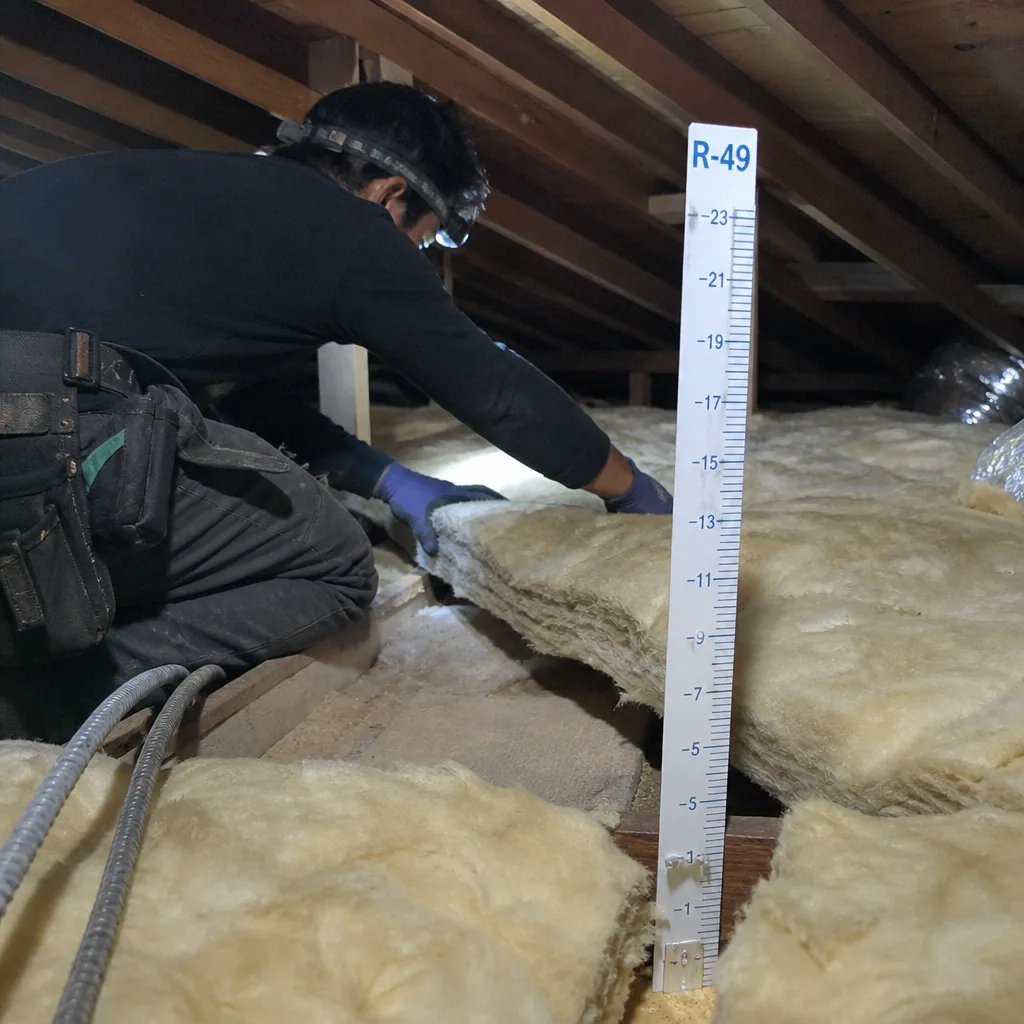
Blown-In Cellulose
Cellulose is our default recommendation for most Newark attics, and for specific reasons tied to this city’s conditions. GreenFiber cellulose, which we stock regularly, is treated with borate fire retardant and manages moisture cycles better than fiberglass in marine-layer environments. In Newark’s western tracts near the refuge, where humidity wicks through crawl spaces and rim joists, cellulose resists the clumping and sagging we see with fiberglass that has gotten damp. Most Newark ranch homes need 14-16 inches blown to achieve R-38, current Title 24 standard, and we verify depth with ruler photos included in your documented record. Typical range: $2.80-$3.80 per square foot.
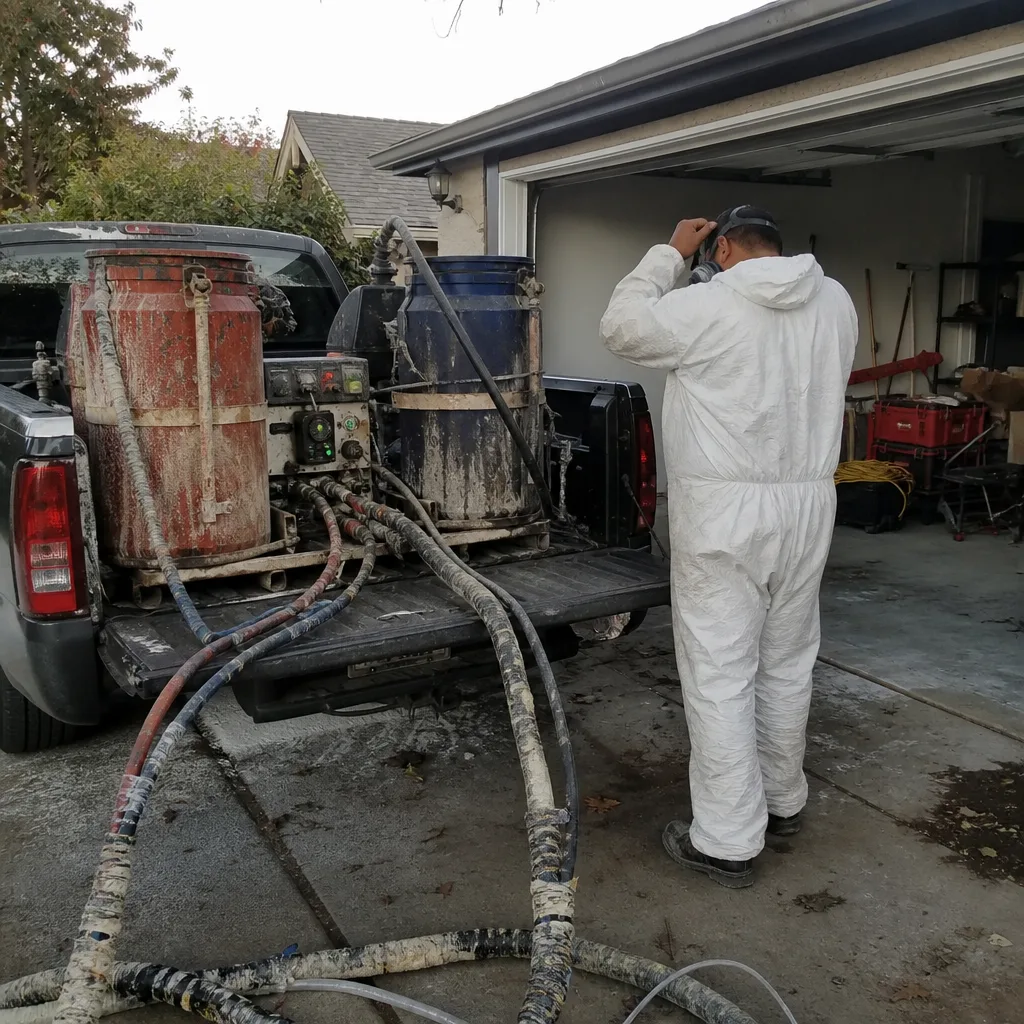
Blown-In Fiberglass
We install Owens Corning blown-in fiberglass where cellulose isn’t the right fit, typically in attics with active knob-and-tube wiring remediation or where the homeowner prefers synthetic material. Fiberglass doesn’t hold moisture the way cellulose can, but in Newark’s salt-air environment it can become a problem if installed over an unsealed attic floor. We won’t do it. Our Blown-In Insulation protocol requires air sealing of top plates, can lights, and penetrations before any material goes in. Fiberglass jobs in Newark run $3.00-$4.50 per square foot.
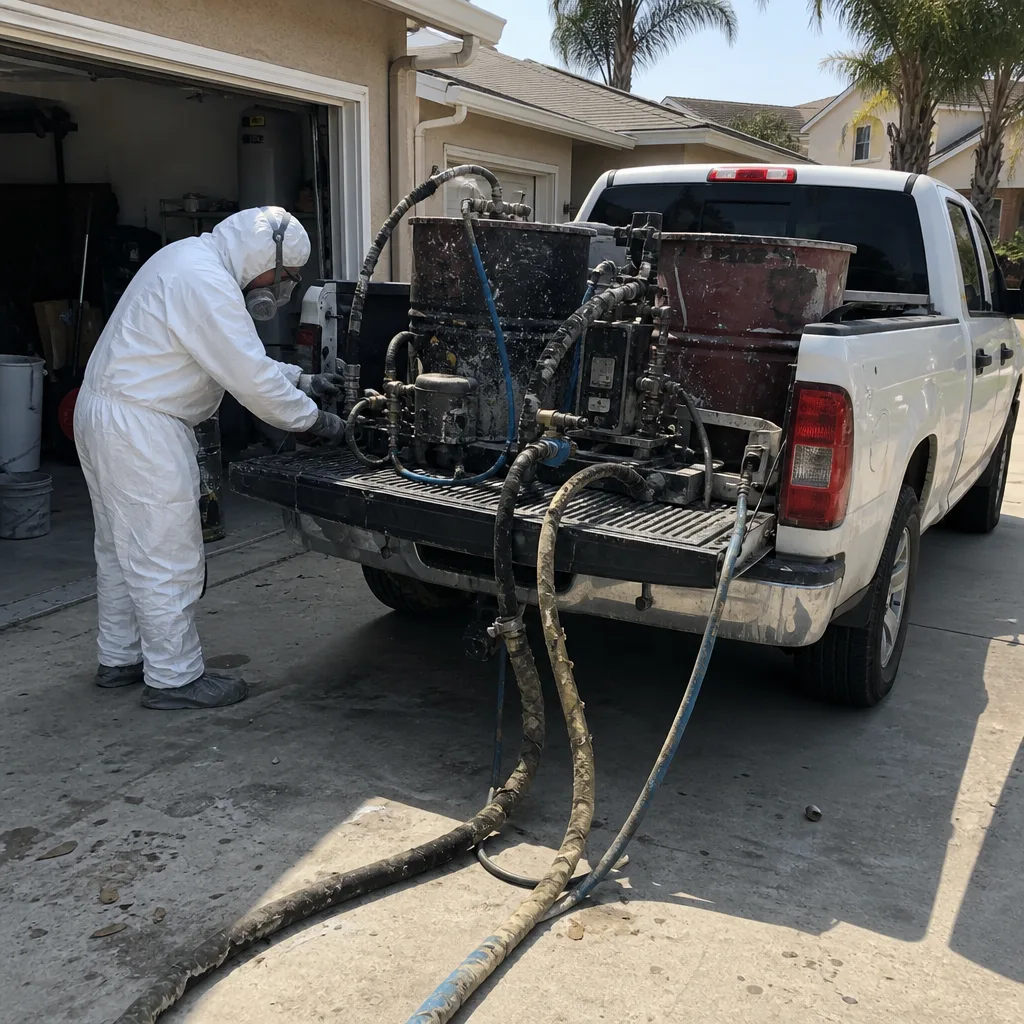
Dense-Pack Wall Insulation
Newark’s 1950s-70s tract homes often have empty wall cavities or original batts that never performed well. Dense-pack cellulose, blown at 3.5-4.0 pounds per cubic foot, fills those cavities completely and slows air movement through the envelope. This matters in Newark more than in inland Fremont because the marine layer pushes against the building envelope for months each year. Walls that leak conditioned air in July are leaking it in October too. Dense-pack requires drilling access holes, usually from exterior siding or interior drywall, and we patch to match. Typical Newark dense-pack: $3.50-$6.00 per square foot of wall area, depending on cavity depth and access difficulty.
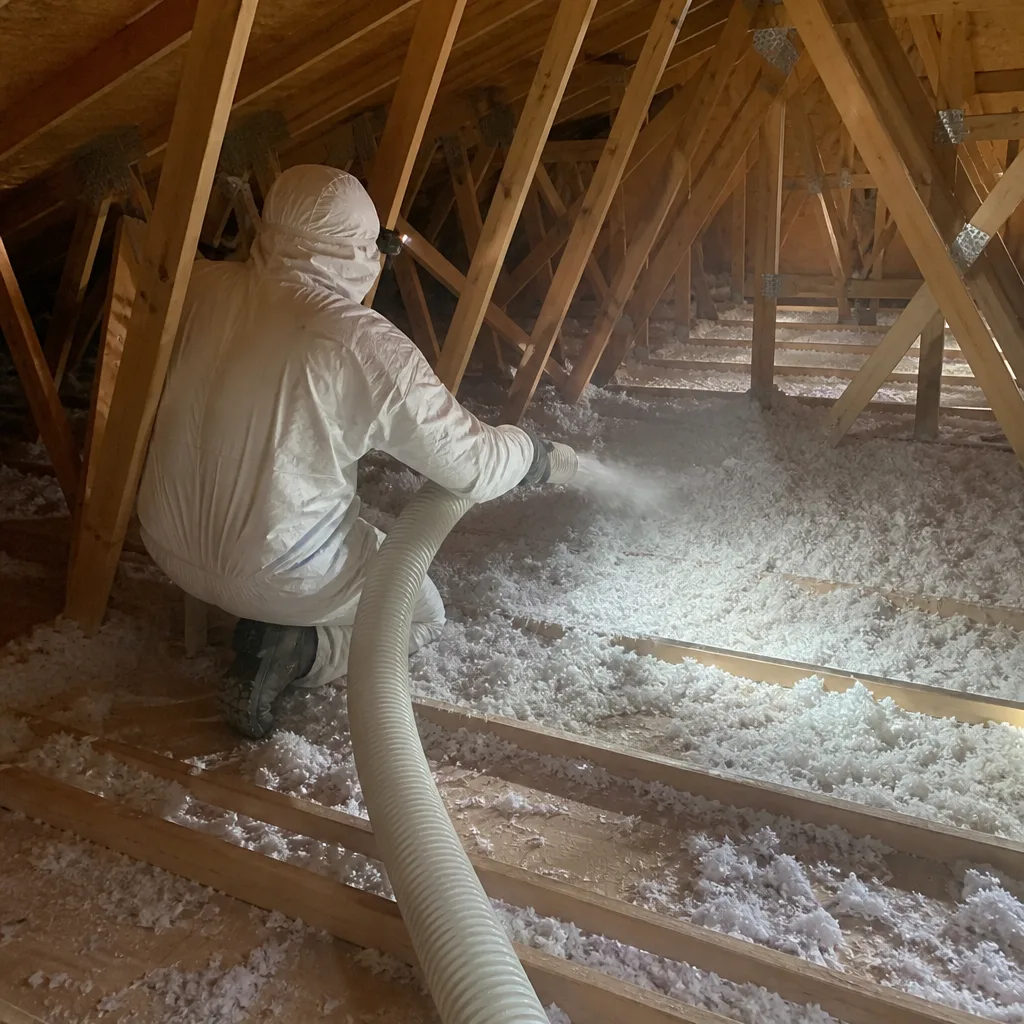
Blown-In Top-Up
Not every Newark attic needs a full removal. Sometimes the existing blown-in has settled from 12 inches to 7 inches, or the original batts are intact but thin. We assess with depth gauges and thermal imaging. If the existing material is dry and uncontaminated, we’ll air-seal the attic floor first, then blow new material to bring the total depth to current standard. Top-ups cost less than full replacement, typically $1.80-$2.80 per square foot, but we won’t top up over wet or compressed material. That’s not a sales tactic. It’s Haven Standard Clause 1: we document what we found, show you the photos, and write the scope before anyone lifts a tool.
What happens when you call
- 1
A real person answersNo phone trees - you reach a local pro.
- 2
You get an upfront price rangeHonest numbers before anyone is dispatched.
- 3
A background-checked tech heads outLicensed & insured, dispatched right away.
- 4
You approve before work beginsNothing starts until you say go.
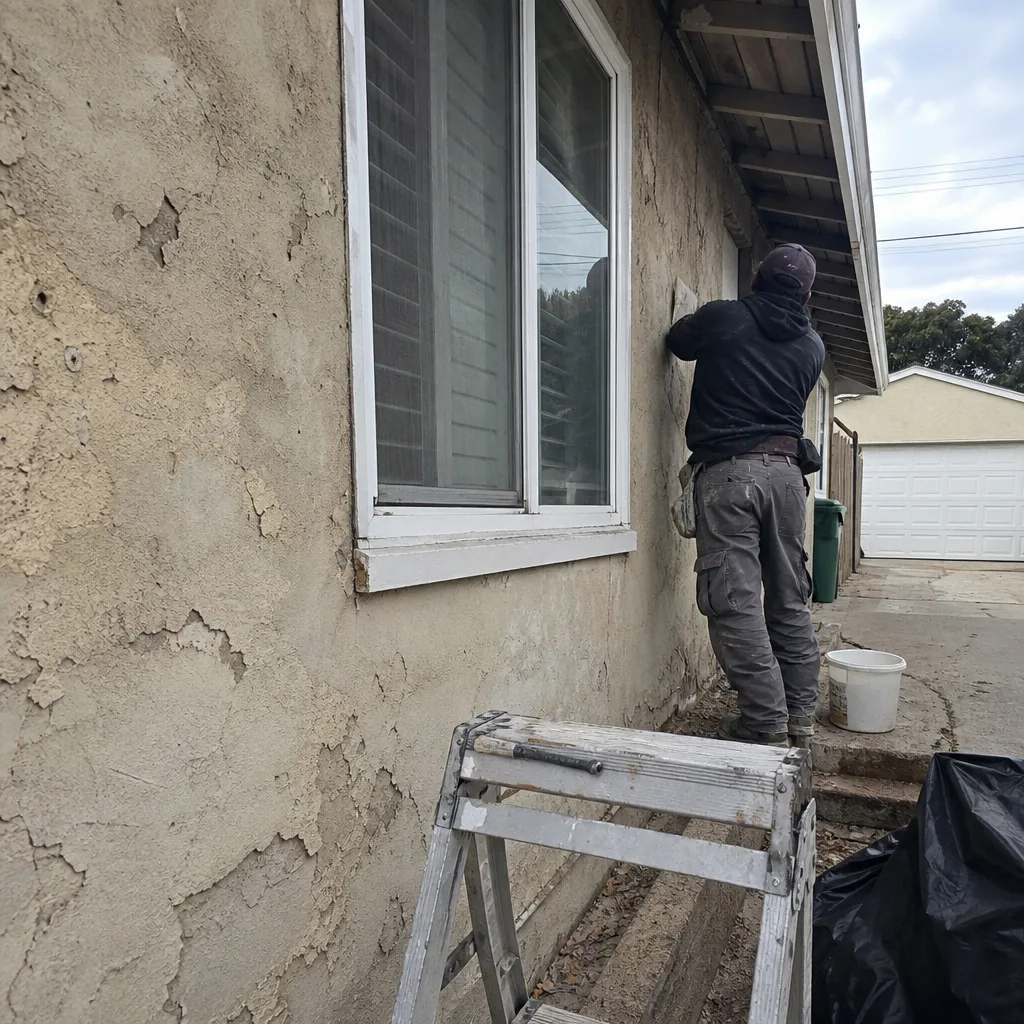 Before
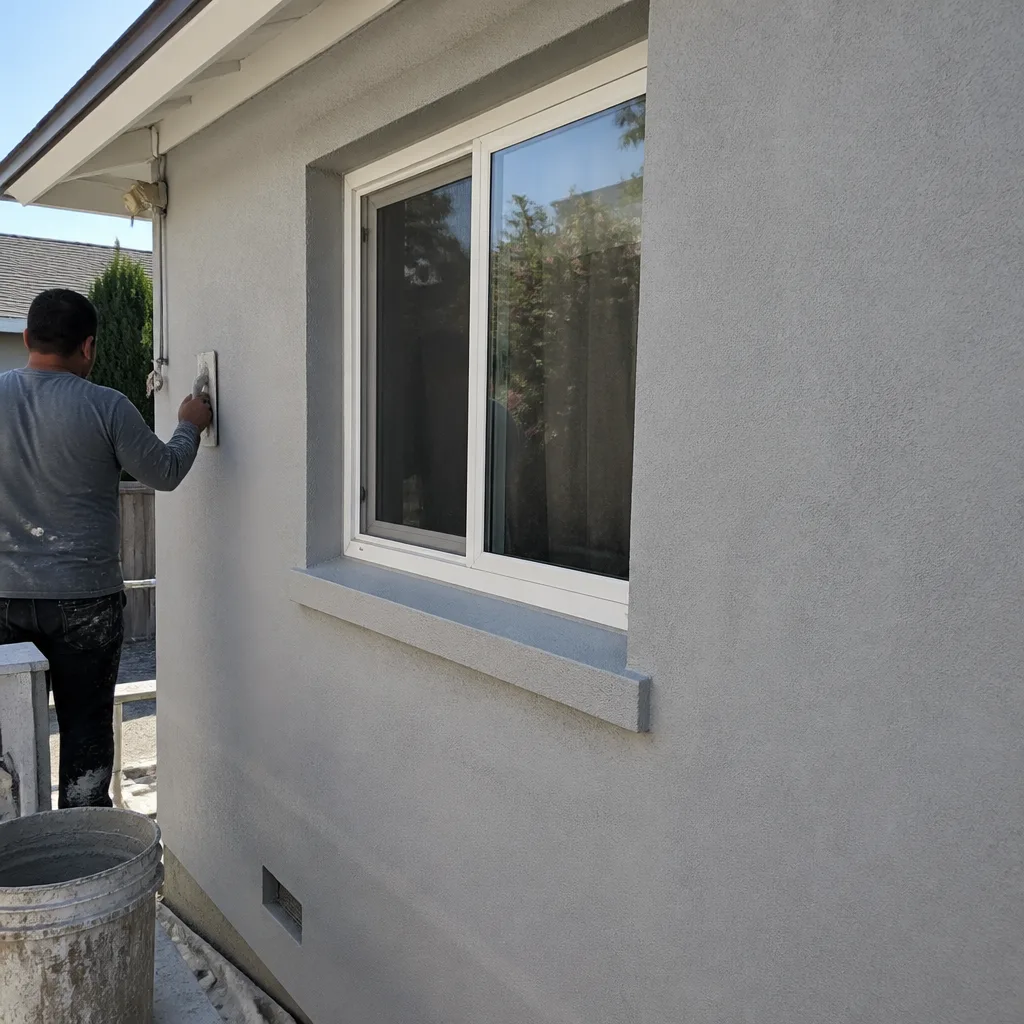 After
AfterTrusted Brands We Service in Newark
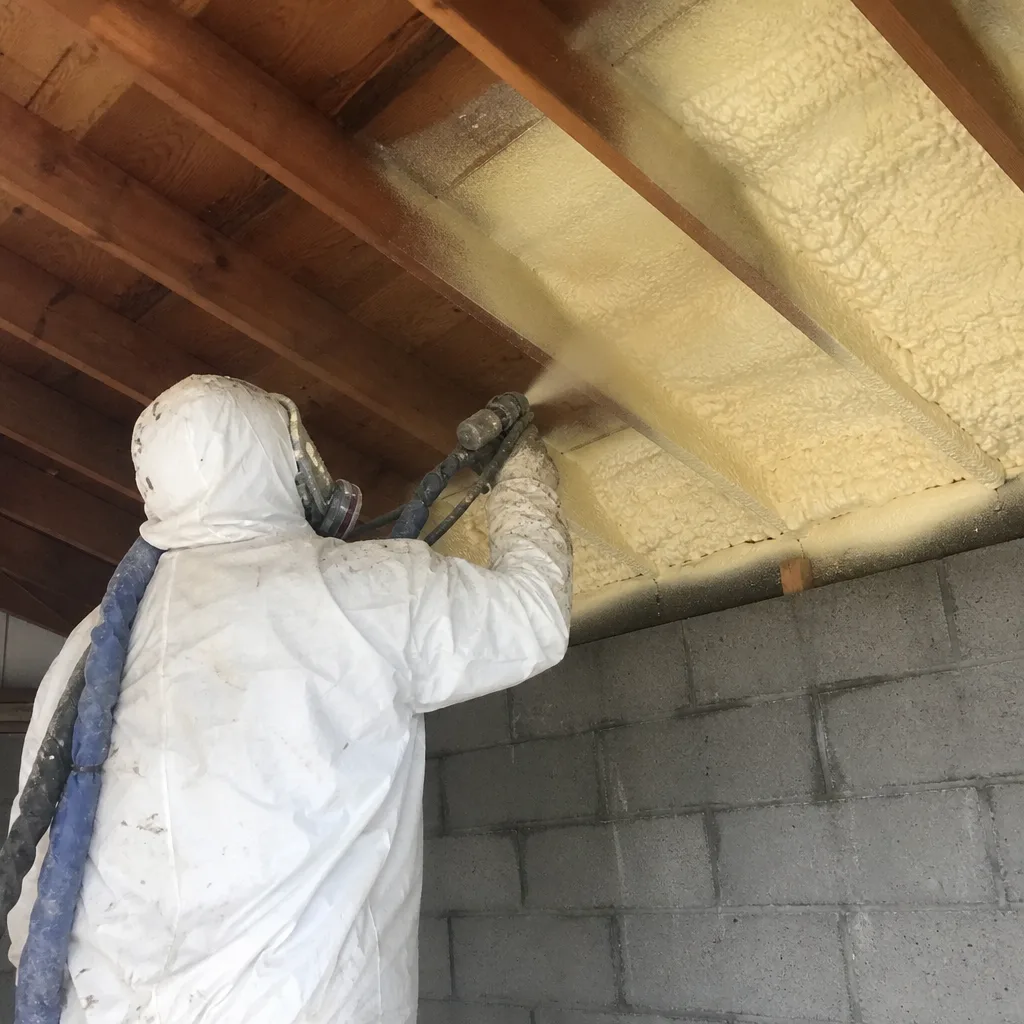
We source blown-in materials from Owens Corning, GreenFiber, and Icynene, among others, with no proprietary lock-in that limits what’s right for your home. Our Newark trucks carry GreenFiber cellulose and Owens Corning fiberglass as standard stock, which means most jobs don’t wait on material delivery. For homes on the western edge with acute moisture exposure, we’ll specify borate-treated cellulose or coordinate closed-cell spray foam from Demilec for rim joist and crawl space sealing before the blown-in goes in. You get the material that matches your building’s actual condition, not whatever we need to move this month.
Common Blown-In Insulation Problems We See in Newark Homes
- Compressed, discolored fiberglass batts in original 1960s ranches. Our crew was called to a 1960s single-story ranch on Cherry Street near the western edge of Newark, where the homeowner’s original fiberglass batts were visibly compressed and damp from years of marine-layer humidity. We pulled the failed batts, air-sealed the rim joists and crawl space penetrations, and blew in GreenFiber cellulose to a depth that meets current Title 24 standards, all in one trip, with moisture-resistant prep suited to the bay-side exposure. The homeowner noted the attic finally felt dry and the house held warmth through the evening fog instead of bleeding it.
- Clumped or sagging blown-in near the attic floor from rim joist leaks. Salt-laden marine air wicks upward through unsealed crawl spaces and rim joists, especially in homes west of Cedar Boulevard. The insulation near the attic floor gets heavy, loses loft, and creates cold spots on the ceiling below. We find this pattern repeatedly in Newark’s marsh-adjacent tracts. It rarely appears on the drier, hillside eastern side of neighboring Fremont.
- Detached workshops with no vapor management. Newark’s larger lots, particularly toward the rural edges, often have detached structures with oversized attic spaces and zero air sealing. Standard top-ups fail fast here because the marine layer pushes straight through unsealed framing. We treat these as full envelope jobs: seal first, then insulate, with material specified for unconditioned space exposure.
- Original wall cavities with no insulation or failed batts. Many Newark tracts were built before California’s first energy standards, meaning exterior walls are empty or hold thin batts that have settled to R-5 or less. Dense-pack cellulose brings these walls to R-13 or R-15 without full gut renovation, but only after we verify there’s no active moisture path from the crawl space.
Pricing for Blown-In Insulation in Newark, CA
Most attic insulation jobs in a Newark home of 1,200-1,600 square feet run between $2,800 and $5,500 for full replacement with blown-in cellulose or fiberglass, including air sealing of the attic floor. Dense-pack wall insulation for the same footprint typically falls between $4,500 and $9,000, varying with cavity depth, siding type, and interior access. Blown-in top-ups, where existing material is viable, range from $1,800 to $3,200.
What moves the number: attic accessibility (scuttle vs. pull-down stairs), presence of active wiring or HVAC equipment that must be worked around, extent of existing material removal, and whether rim joist or crawl space sealing is needed before the attic work. Homes in Newark’s western tracts near the refuge often need that additional sealing step, which adds labor but prevents the moisture cycling that destroys new insulation.
We don’t do “call for a quote.” Haven Standard Clause 1 is a written price before any work starts, always. Bring us a competing written estimate and we’ll give you a Free Second Opinion, line by line. Call (650) 381-1512 to schedule.
We Also Serve Cities Near Newark
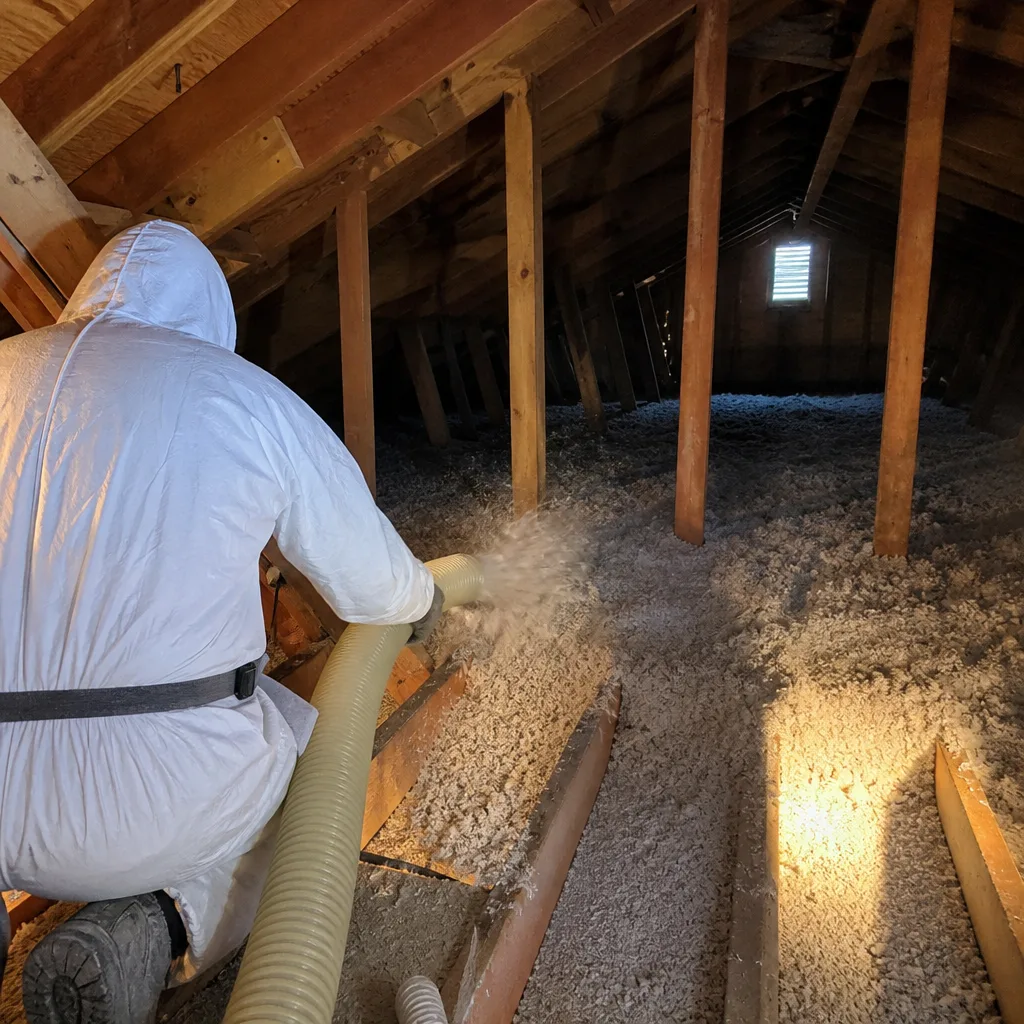
Our crews work throughout the southern Bay Area, including Fremont, Union City, Palo Alto, and Sunnyvale. Dispatch and scheduling are coordinated from our San Francisco Bay Area office, with local crews serving each community directly. The conditions that affect Newark, marsh-driven humidity and salt air, moderate as you move east toward the Fremont hills or south into Santa Clara County, and our material specifications adjust accordingly.
Serving Newark, CA - Our Local Coverage Area
We’re based in the Newark area and know this community well. Use the map below to see our service coverage - if you’re nearby, we can almost certainly help.
FAQs - Blown-In Insulation in Newark
Yes. Newark’s position at the southern end of San Francisco Bay, with no topographic buffer to the west, means stronger marine layer intrusion and higher sustained humidity than Fremont’s drier eastern hillsides. This accelerates moisture saturation in fiberglass batts and can cause blown-in material to clump or sag if the attic floor isn’t properly air-sealed first. We see the difference in the field: western Newark tracts routinely show failed insulation that eastern Fremont homes of the same vintage don’t. Call (650) 381-1512 for an assessment of your specific location.
Sometimes, but only after we verify the existing material is dry, uncontaminated, and not compressed below recovery. Many 1960s Newark ranches have original fiberglass batts that are too far gone for topping. We’ll measure depth, take thermal images, and show you photos of what we found. If a top-up makes sense, we’ll air-seal first, then blow to R-38. If the existing material is saturated, we’ll write a removal and replacement scope instead. Estimates are free.
Because blowing insulation over an unsealed attic floor is like pouring water into a bucket with holes. Top plates, can lights, plumbing penetrations, and chimney chases leak conditioned air upward, and in Newark’s humid environment they also let moisture ride that air stream into the new insulation. Our protocol, sealed first then insulated, is not an upsell. It’s the only way to achieve blower-door numbers that prove the envelope is actually fixed. You get the before-and-after reading in writing.
Yes. Newark’s rural-edge properties often have detached structures with no existing insulation and no vapor management. We treat these as full envelope jobs: assess air leakage, seal the framing plane, then specify material suited to unconditioned space exposure. Our trucks carry enough stock for most workshop attics in one trip. Call (650) 381-1512 to describe your structure and we’ll confirm material availability.
We typically specify GreenFiber borate-treated cellulose for Newark’s marine-layer conditions, with Owens Corning fiberglass as an alternative where synthetic material is preferred. For homes with acute moisture exposure, particularly western tracts near the refuge, we may coordinate closed-cell spray foam from Demilec for rim joist and crawl space sealing before the blown-in application. No proprietary lock-in. The brand matches the building’s condition, not our inventory.
Written by Wes Okafor, Owner at Topside Attic Insulation Union City, serving Newark and the San Francisco Bay Area since 2016.