
GreenFiber Crawl Space Encapsulation: The Union City Owner’s Guide
We stock and install GreenFiber-compatible crawl space encapsulation systems in Union City, with most complete installs running $3,800-$6,200 depending on square footage and whether the foundation needs active dehumidification. Same-day assessments are available, and we carry GreenFiber vapor barrier material and seam tape on our trucks for jobs up to 1,500 square feet. Most Union City homeowners discover their encapsulation has failed when they notice a sharp musty smell returning after months of absence, or when their spring PG&E bill jumps despite mild weather - the polyethylene barrier has torn at a seam, the tape has delaminated, or groundwater is weeping through a gap at the pier footing.
Which GreenFiber Models This Applies To
GreenFiber does not sell crawl space encapsulation as a branded kit system the way some competitors do. What we mean by “GreenFiber-compatible” is the vapor barrier and sealing approach used in conjunction with GreenFiber’s blown-in cellulose insulation - typically installed in the floor joists above the crawl space after the ground is sealed. The cellulose itself is the tell: if your crawl space has GreenFiber Low Dust or Sanctuary blown in overhead, the encapsulation below it was likely 6-mil or 10-mil reinforced polyethylene with butyl-backed seam tape, or in some Union City retrofits from 2018-2022, a thinner 4-mil sheet that degrades faster in our clay-heavy soils.
To identify what you’re working with, check the vapor barrier for stamped markings near the access door - 6-mil will read “6.0” or “ASTM D4397,” while 10-mil is visibly thicker and often cross-woven. The OEM-equivalent barrier we source is a 10-mil woven polyethylene with a 15-year rated lifespan, versus the 6-mil non-woven that many original installers used to hit a price point. For GreenFiber jobs specifically, we avoid any barrier thinner than 10-mil because the weight of overhead cellulose can sag and stress seams over time. We also stock Reflectix bubble insulation for rim joist applications where the customer wants a thermal break, though we typically recommend rigid foam there instead.
Topside Attic Insulation Union City is an independent service provider with no affiliation to GreenFiber or its parent company.
Signs Your GreenFiber Crawl Space Encapsulation Is Failing
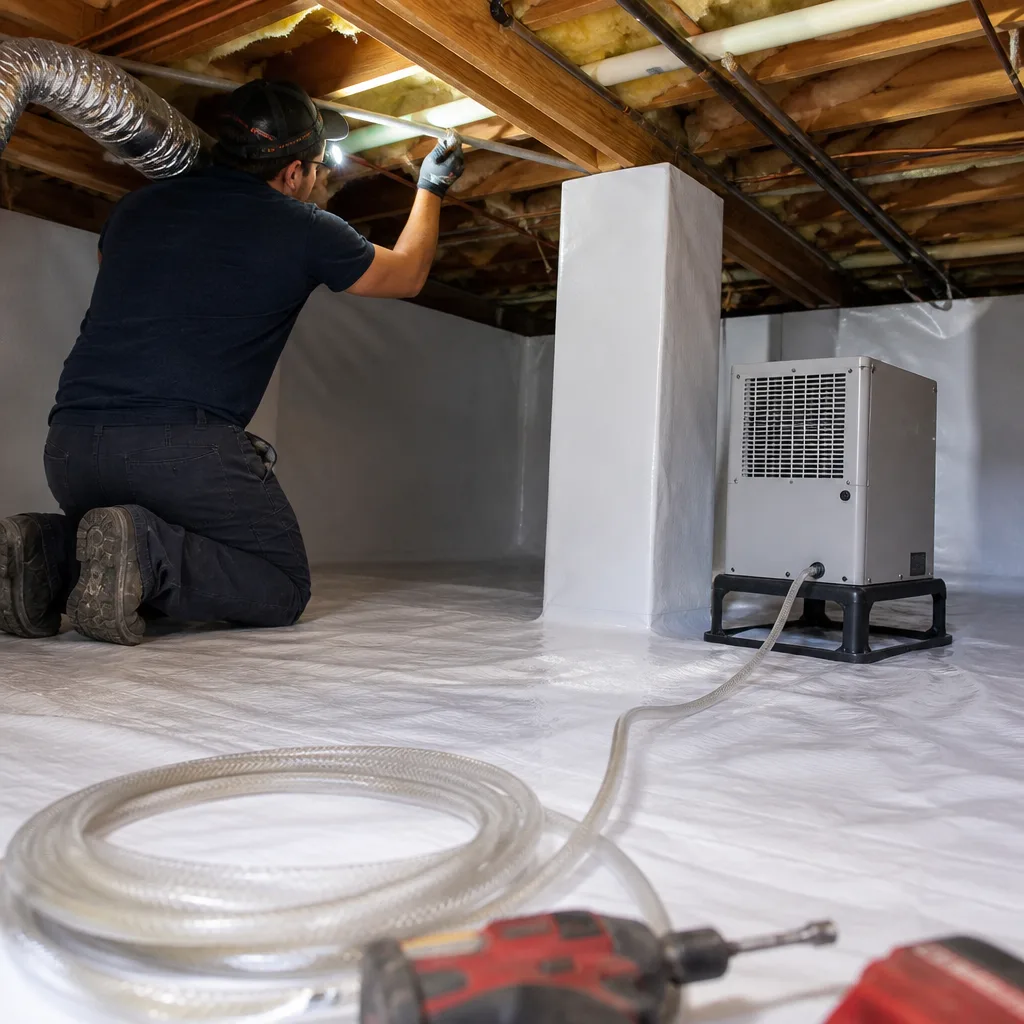
- Musty odors returning in spring or after rain. The vapor barrier’s seam tape has lost adhesion, or the sheet has pulled away from a pier footing. Union City’s clay soils expand and contract with moisture, stressing taped joints at the base of support posts.
- Cellulose insulation sagging or dropping from joist bays. Moisture is migrating upward through a compromised barrier, saturating the GreenFiber above. Wet cellulose compresses and loses R-value fast - the material that started at R-3.8 per inch can drop to R-2.0 or lower when damp.
- Condensation on ductwork or plumbing lines. Relative humidity in the crawl space has climbed above 70%, meaning the barrier is no longer blocking soil moisture. In Union City’s mild, marine-influenced climate, this happens more gradually than in hotter inland zones, so owners often miss it until mold appears.
- White or chalky residue on the barrier surface. This is plasticizer migration, common in 4-mil and 6-mil barriers after 5-7 years of soil contact. The material is becoming brittle and will tear under foot traffic during maintenance access.
- Increased pest activity - specifically springtails or silverfish. These insects signal sustained humidity above 60%. The barrier has failed at the perimeter, or the access door seal has degraded, letting outside air mix with soil moisture.
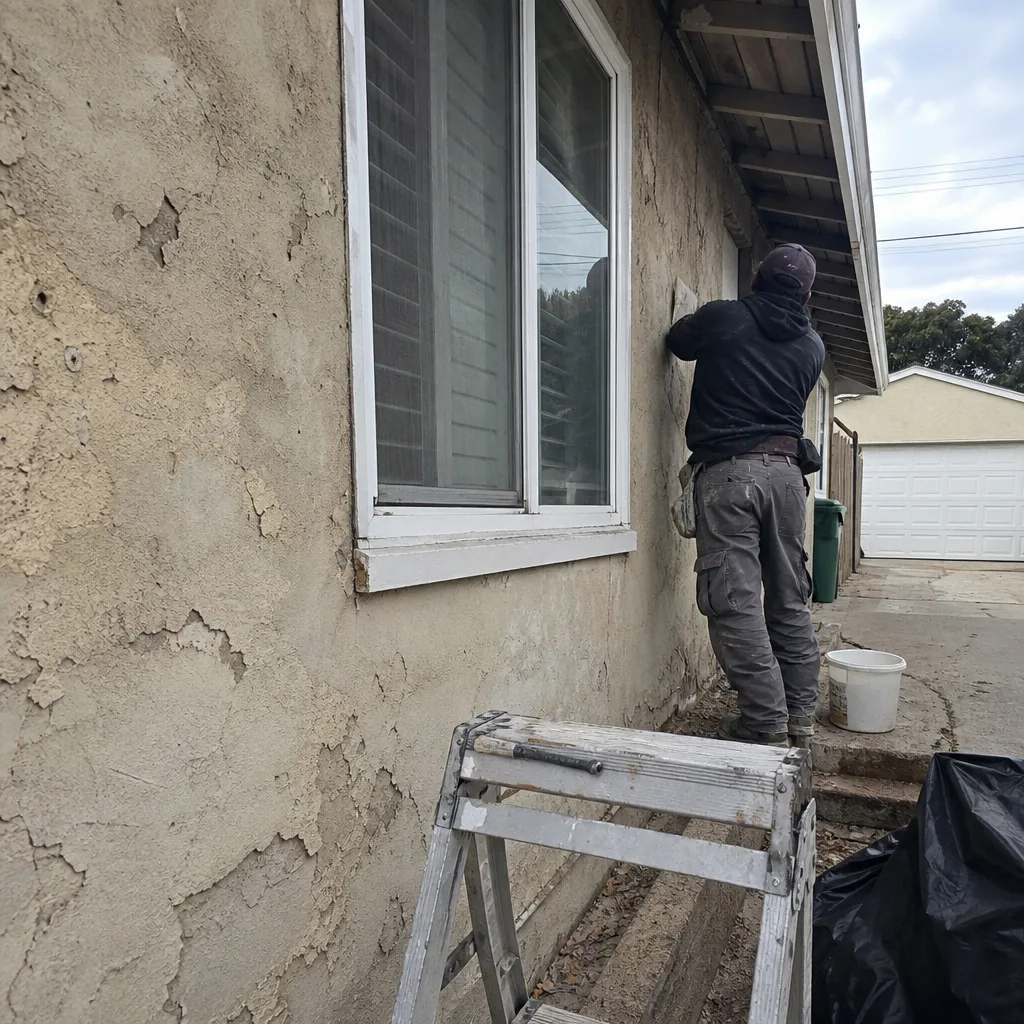 Before
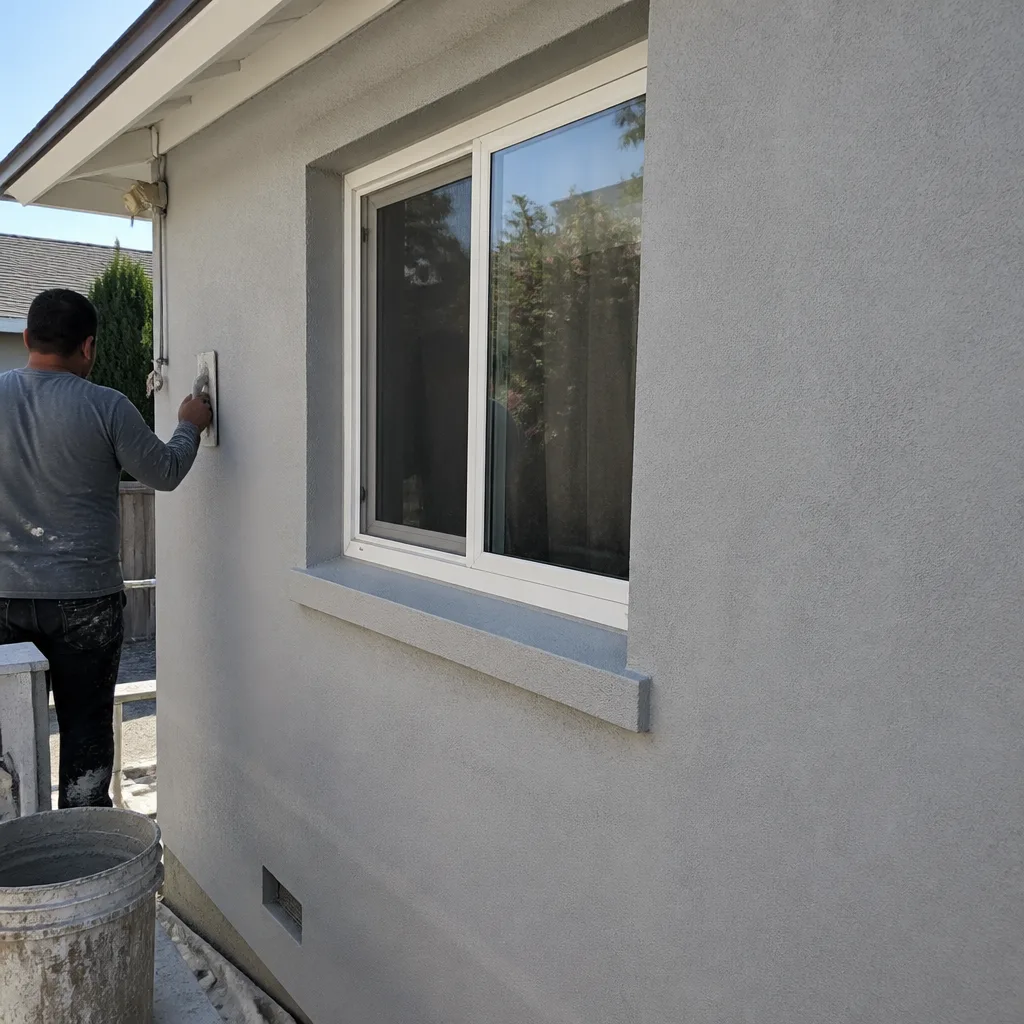 After
AfterReplacement Cost & What’s Included
For a typical Union City crawl space of 800-1,200 square feet, complete GreenFiber-compatible encapsulation runs $3,800-$5,400. That includes removal of the failed barrier, surface prep, installation of 10-mil woven polyethylene, mechanical fastening at piers and footings, butyl seam tape on all overlaps, and perimeter sealing to foundation walls with polyurethane sealant. If the crawl space needs a dehumidifier to maintain sub-60% relative humidity - common in older homes near Alvarado Creek where groundwater is persistent - add $1,200-$1,800 for a 70-pint unit with condensate pump and dedicated electrical circuit.
Jobs at the higher end of our range usually involve multiple access points, extensive debris removal, or re-insulating joist bays where wet GreenFiber needs extraction before new material goes in. Every encapsulation job includes our Documented Photo Record: dated photos of the bare soil condition, the installed barrier with seam detail, and the final perimeter seal. Under our 365-Day Done Right Promise, if any seam lifts or tape fails in the first year, we return and repair at no charge - Haven Standard Clause 1 means you get the written scope, the written price, and the written warranty before anyone enters the crawl space.
DIY or Call Us?
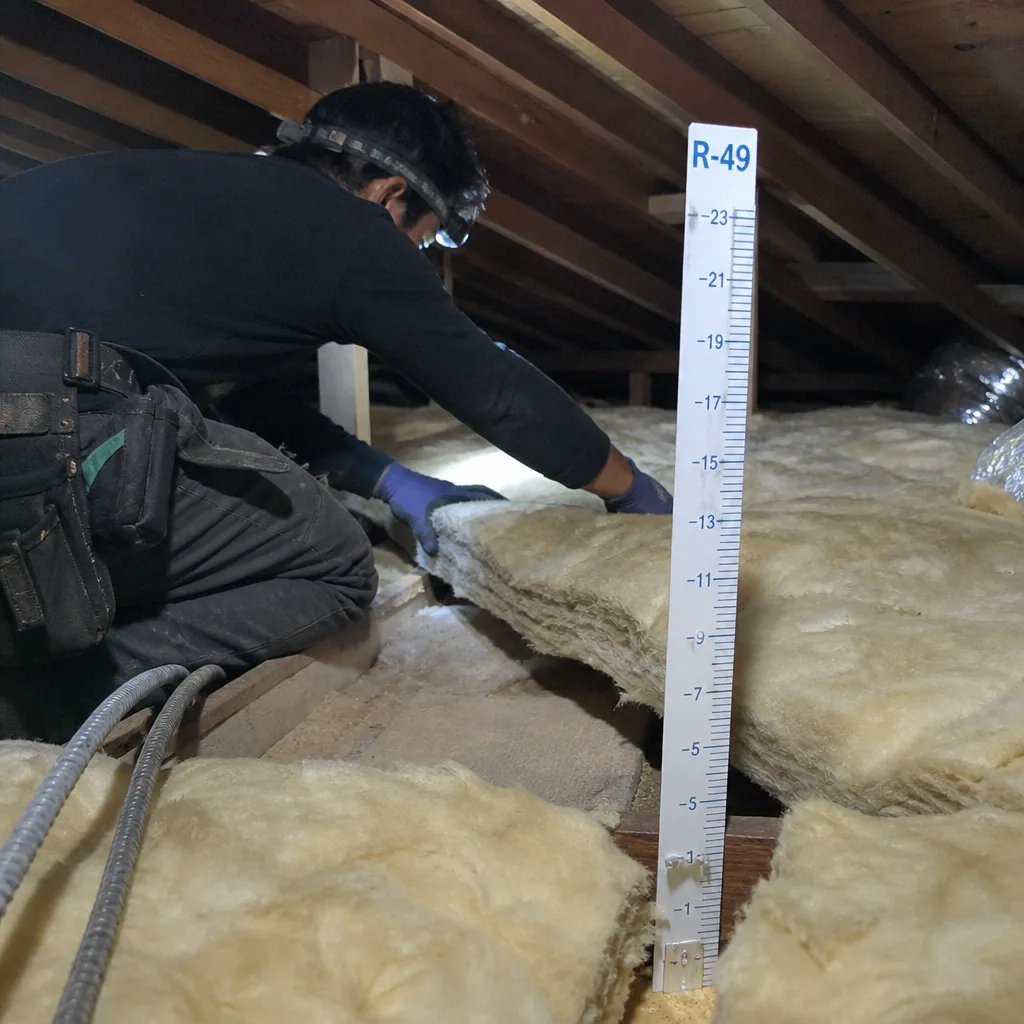
There’s honest work a homeowner can do: verify the access door closes tight, check that downspouts direct water away from the foundation, and use a humidity meter - a simple hygrometer from any hardware store - to confirm readings stay below 60%. If you’re seeing 70% or higher, the barrier has failed somewhere you likely cannot see without full access.
What goes wrong with DIY encapsulation is the sequencing. Homeowners often lay new poly over old, trapping moisture between layers. They use duct tape instead of butyl-backed seam tape, which fails in 18 months in our soil conditions. They miss the critical step of sealing the rim joist to the sill plate, which in Union City’s older ranch homes near Decoto Road is often the largest air leak in the building envelope. And they work in confined spaces with sharp foundation edges, exposed wiring, and occasionally active rodent damage - not a place for untrained work. For a same-day assessment and written price before any work starts, call us at (650) 381-1512.
FAQs
A properly installed 10-mil woven polyethylene barrier with butyl seam tape lasts 15-20 years in Union City’s climate. The 4-mil and 6-mil barriers common in original installs often fail at 5-8 years due to soil abrasion and plasticizer loss. Call (650) 381-1512 for a free assessment of your current barrier’s condition.
Small punctures - under 6 inches - can be patched with compatible tape if the surrounding material is still supple. If the barrier is chalking, brittle, or has multiple seam failures, patching is false economy; the material will fail adjacent to your repair within two years. We provide a written recommendation after inspection, with no pressure to proceed.
Most residential crawl spaces in Union City are completed in one to two days. Day one is removal, surface prep, and barrier installation. Day two, if needed, is dehumidifier commissioning and final blower-door testing when we’re also air-sealing the rim joist from below. You’ll get a text when the crew is en route and a named technician who stays on the job start to finish.
Yes. We carry 10-mil woven polyethylene in 12-foot and 16-foot widths, butyl seam tape, mechanical fasteners for pier wraps, and polyurethane sealant for perimeter adhesion. For jobs over 1,500 square feet or specialized dehumidifier sizing, we pull materials next-morning from our East Bay supplier. Same-day starts are available for most Union City homes under 1,200 square feet.
Written by Wes Okafor, Owner & Lead Insulation Technician, Topside Attic Insulation Union City at Topside Attic Insulation Union City, serving Union City and nearby areas.