
Crawl Space Vapor Barrier in Union City, CA
Crawl Space Encapsulation & Vapor Barrier services begin with a heavy-duty polyethylene sheet installed across the soil floor and up the foundation walls of your crawl space to block ground moisture before it can migrate into your home’s structural framing, subfloor, and living areas. Most Union City homes need this work done once – correctly – and the result is a measurably drier, more stable crawl space that stops the moisture cycle that drives mold, wood rot, and floor-level energy loss. At Topside Attic Insulation Union City, we assess the crawl space first, write you a flat price before any crew member touches a tool, and document the finished installation with photos so you know exactly what was done.
If you’ve noticed musty odors rising from your floors, soft spots in your hardwood, or higher-than-expected heating bills, the crawl space is often where the problem starts. Call us at (650) 381-1512 – a live person answers every time – or read on to understand what this service involves, what it costs in Union City, and what you’ll have in hand when we’re finished. This page covers the vapor barrier component specifically; for the full picture including encapsulation and interior drainage, see our Crawl Space Encapsulation & Vapor Barrier in Union City page.
Why Union City Crawl Spaces Need Vapor Barriers
Union City sits at the edge of the East Bay flatlands, with a good portion of older residential stock built on concrete perimeter foundations over bare soil. The groundwater table in the Alvarado and Decoto neighborhoods can sit surprisingly close to the surface during the wet season, and even when it doesn’t, Bay Area fog and overnight condensation are relentless. That soil moisture doesn’t stay in the ground – it evaporates upward into an unprotected crawl space and finds its way into your framing, insulation batts, and subfloor.
The Bay Area’s marine climate also means temperature swings between night and day are mild but persistent, which keeps relative humidity in an unventilated crawl space high for most of the year. Without a properly sealed vapor barrier, that moisture has nowhere to go except up.
When You Need a Crawl Space Vapor Barrier
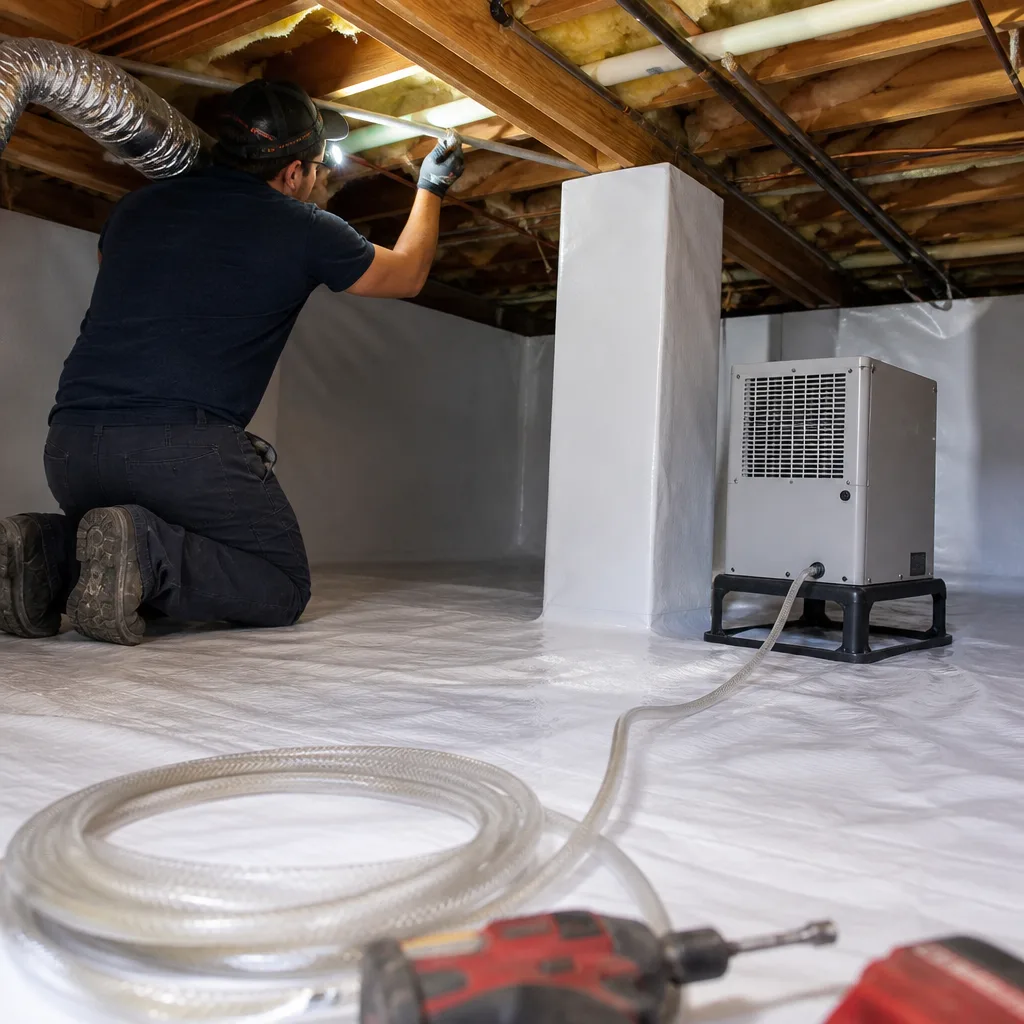
- Musty or earthy odors at floor level. If your hardwood floors or carpets carry a damp smell that’s worse in winter, ground moisture is evaporating from your crawl space soil and diffusing into your living space. This is one of the clearest early signs we see in Union City homes, particularly those built before 1985 in the Alvarado district.
- Visible condensation or standing water after rain. After a wet winter storm, water can pool against your foundation and seep under the perimeter. Bare soil in the crawl space amplifies this by holding moisture and releasing it slowly for weeks after the ground dries out.
- Soft spots, squeaking, or springiness in your floors. When subfloor plywood or floor joists absorb moisture over multiple seasons, they begin to degrade. This is a structural issue that a vapor barrier, installed before the damage becomes severe, can prevent from getting worse.
- Visible mold or efflorescence on foundation walls. White mineral deposits (efflorescence) on concrete block or poured foundation walls are a direct signal that water is moving through the wall. Mold on wood framing or insulation batts in the crawl space is a more advanced version of the same problem.
- High humidity readings in your home. If your HVAC system is running longer than expected or your indoor humidity stays above 55% in winter without an obvious cause, your crawl space may be the source. We’ve measured crawl space relative humidity above 85% in Union City homes that had no liner installed – that moisture doesn’t stay below the floor.
- Existing insulation that is sagging, wet, or falling. Fiberglass batt insulation between floor joists holds its R-value only when it’s dry. Once it absorbs ground moisture, it compresses, loses effectiveness, and can become a substrate for mold. If your insulation looks like this during a crawl space inspection, a vapor barrier is the first fix, not a second one.
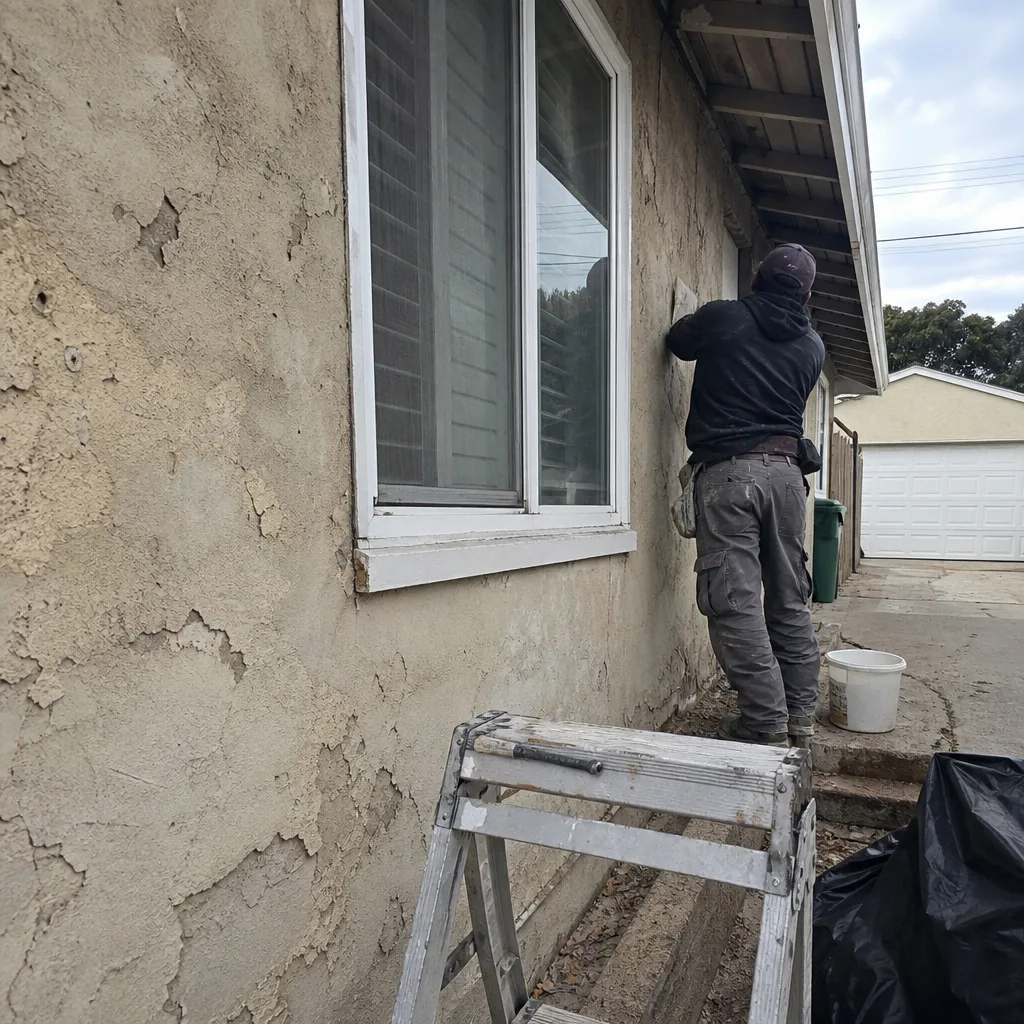 Before
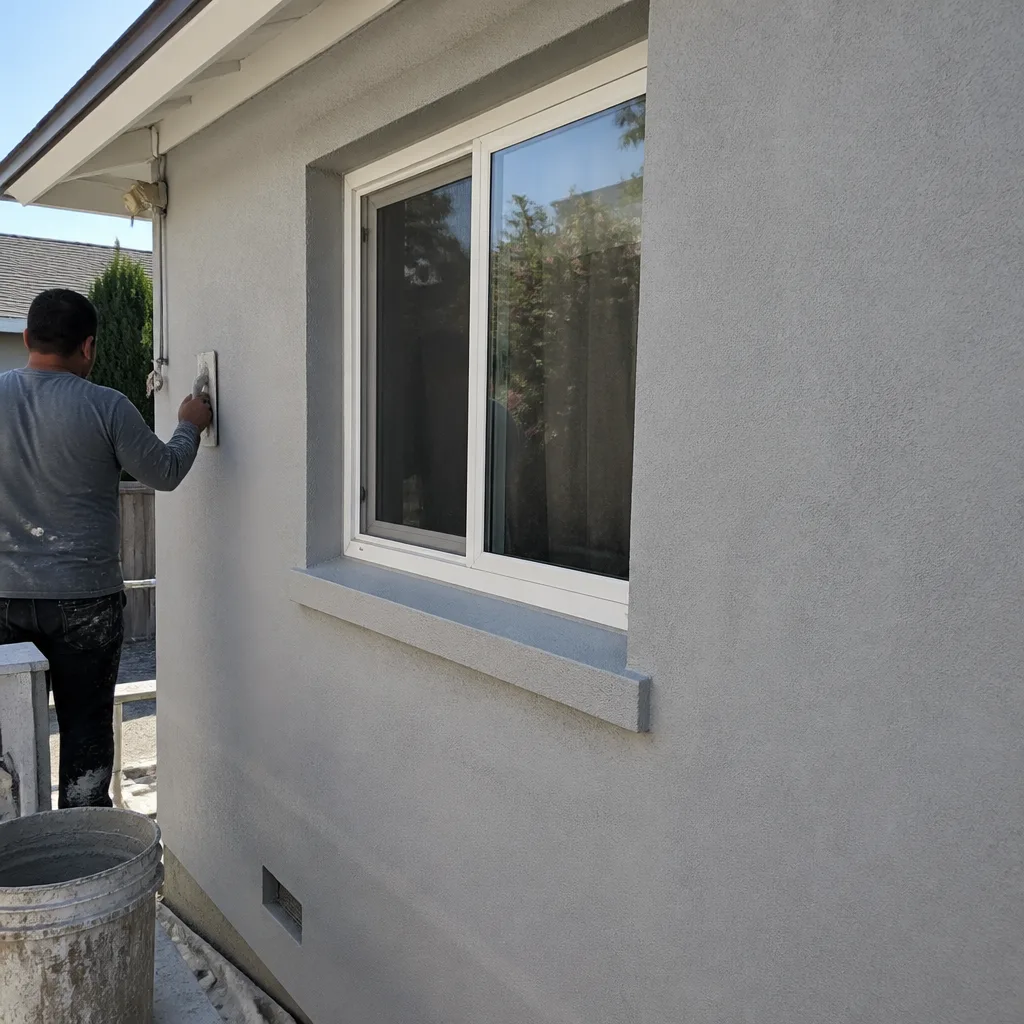 After
AfterOur Crawl Space Vapor Barrier Process
Before any material goes in, we assess the space. That’s non-negotiable under The Haven Standard. Here’s what the job looks like from inspection to documentation.
- Crawl Space Assessment and Written Price. A technician enters the crawl space with a moisture meter, a hygrometer, and a flashlight. We measure clearance height, check for standing water, assess the condition of existing insulation and framing, and note any mechanical equipment (HVAC ducts, plumbing, electrical) that will need to be worked around. You receive a written scope and a flat price before any work is scheduled – Haven Standard Clause 1, no exceptions.
- Debris Removal and Surface Prep. Old vapor barrier material (if present), wet insulation, and debris are removed from the crawl space floor. We don’t install a new liner over a compromised substrate. If we find rodent intrusion, mold on framing, or significantly degraded insulation during this step, we document it with photos and discuss the options with you before proceeding.
- Perimeter and Penetration Work. The liner needs to seal against the foundation walls and around every penetration – piers, posts, plumbing standpipes, and support columns. We cut and fit the material to lap up the walls 6 to 12 inches (depending on your crawl space configuration) and secure it with appropriate adhesive and mechanical fasteners. This step is where most DIY vapor barrier installations fail: a sheet of 6-mil poly lying flat on the ground with gaps around piers does almost nothing.
- Barrier Installation. We install a minimum 10-mil reinforced polyethylene barrier across the full crawl space floor – thicker in areas with higher moisture load or where foot traffic for mechanical access is expected. Seams are overlapped by at least 12 inches and taped. The material we use is selected for the specific conditions in your crawl space, not grabbed off a shelf.
- Vent and Air Sealing Coordination. Depending on whether your crawl space is vented or conditioned, we coordinate the vapor barrier work with the appropriate ventilation strategy. A vented crawl space and a sealed crawl space require different approaches, and the vapor barrier installation reflects that. If you’re considering full encapsulation – sealing the vents and conditioning the space – we’ll explain what that involves and how it relates to this step.
- Documented Photo Record and Walkthrough. Before we pack up, we photograph the finished installation: the full floor coverage, wall laps, seam taping, and any penetration details. You receive these photos as part of your job record. If anything looks different from the written scope, you’ll see it before we leave – and we fix it on the spot.
Crawl Space Vapor Barrier Pricing in Union City
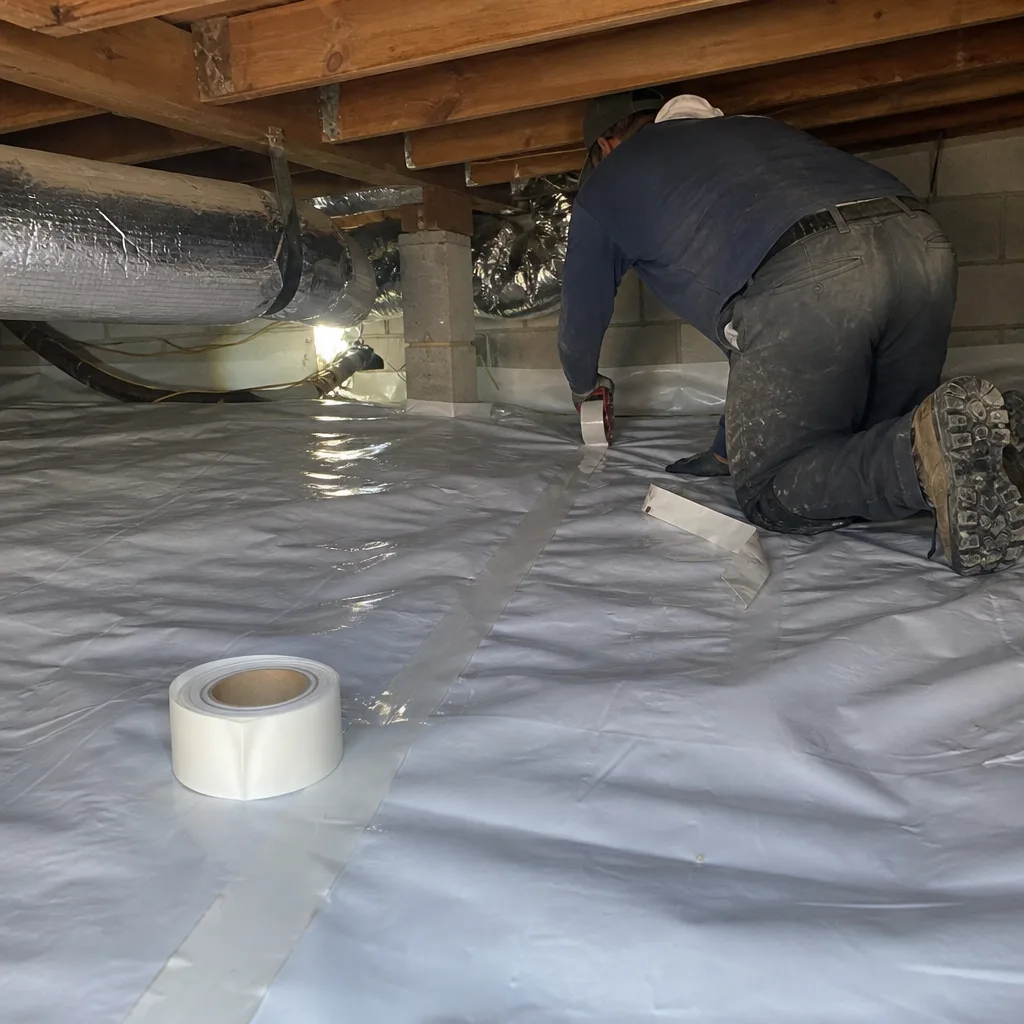
How Much Does Crawl Space Encapsulation & Vapor Barrier Cost? (2026 Price Guide) - Union City, CA shows that installation typically runs between $1,200 and $3,800 for a single-family home, with most jobs landing in the $1,500 to $2,800 range. The spread is wide because crawl space conditions vary more than almost any other part of a house.
| Factor | Lower End | Higher End |
|---|---|---|
| Crawl space square footage | Under 800 sq ft | 1,200+ sq ft |
| Clearance height | 18+ inches – straightforward access | Under 14 inches – tight conditions add labor |
| Existing condition | Dry, clear, no debris removal needed | Old liner, wet insulation, or debris to remove |
| Number of penetrations | Few piers, simple plumbing layout | Many piers, complex mechanical layout |
| Liner thickness | 10-mil standard | 20-mil reinforced for high-moisture or high-traffic areas |
| Mold remediation (if needed) | Not required | Added scope if mold found on framing |
We don’t quote vapor barrier work over the phone without a site assessment, because a number pulled from thin air isn’t a price – it’s a guess that either undersells the real scope or sets you up for change orders. What we do instead is come out, walk the crawl space, and give you a written number that doesn’t change. That’s the Haven Standard.
If you have a competing written estimate, bring it. We’ll read it with you line by line as part of our Free Second Opinion offer – no obligation, no pressure to hire us afterward.
To schedule an assessment and get your written price, call (650) 381-1512. If you prefer not to call, that number also receives texts.
What You Receive When the Job Is Done
Under The Haven Standard, every vapor barrier job closes with the same documentation package, regardless of job size:
- A Documented Photo Record showing floor coverage, wall laps, seam details, and penetration treatment
- The original written scope and written warranty, signed and dated
- A 365-Day Done Right Promise in writing – if anything isn’t right, we make it right, no argument required
You’re not relying on our word that the liner was installed correctly. You can see it in the photos. That documentation also matters if you sell the home – a buyer’s inspector can review it, and a real estate agent can include it in the disclosure package.
Vapor Barrier vs. Full Encapsulation: Which Does Your Crawl Space Need?
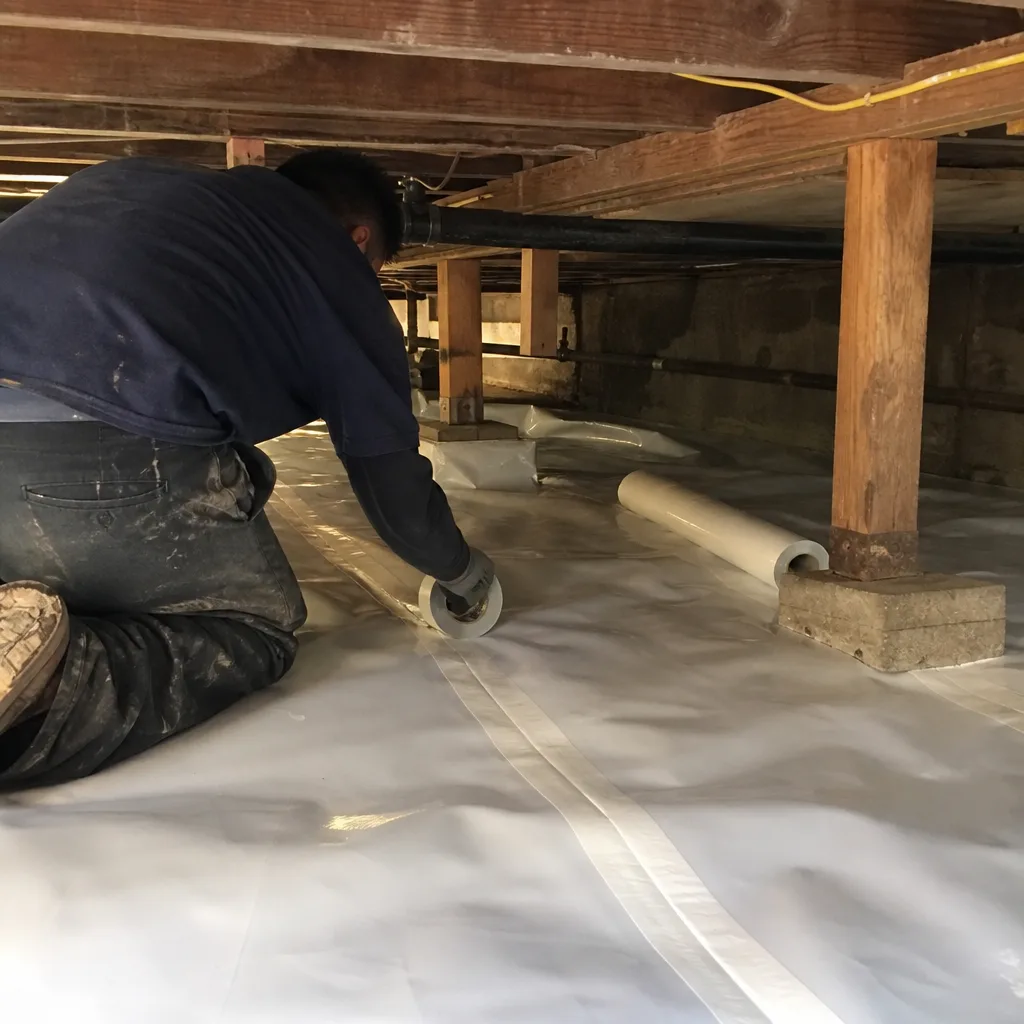
A vapor barrier covers the floor and lower walls to block ground moisture from evaporating into the crawl space. Full encapsulation goes further: it seals the foundation vents, adds Crawl Space Insulation to the walls, and often includes a dehumidifier, converting the crawl space from a vented cavity to a conditioned one. The right choice depends on your foundation type, the severity of your moisture problem, and whether your HVAC equipment is located in the crawl space.
In Union City, homes in the lower-elevation sections near the Alvarado wetlands typically benefit from full encapsulation because the moisture load is high enough that a floor liner alone won’t hold it. Homes on the higher ground toward the hills – older ranch-style houses with simple perimeter foundations and good clearance – often do fine with a properly installed vapor barrier and corrected drainage at the foundation exterior.
If you’re not sure which approach fits your situation, that’s exactly what the initial assessment answers. We describe what we found, give you both options in writing if both are viable, and let you decide. For the full scope of what encapsulation involves beyond the barrier itself, the home page outlines our complete building-envelope service line.
FAQs – Crawl Space Vapor Barrier in Union City
How thick should a crawl space vapor barrier be in Union City?
A 10-mil reinforced polyethylene liner is the standard minimum for Union City crawl spaces, and it’s appropriate for most homes with normal moisture conditions and infrequent access. In areas with higher moisture – particularly near the baylands in Alvarado or in homes with HVAC equipment in the crawl space that requires regular service access – we typically recommend 20-mil material. The extra thickness adds puncture resistance and holds up better when someone needs to crawl through the space to service a furnace or water heater. Building code in Alameda County requires a minimum 6-mil barrier in unvented crawl spaces, but 6-mil is a floor, not a recommendation – we don’t install it at that thickness because it tears too easily in real-world conditions. Call (650) 381-1512 and we’ll tell you what thickness makes sense for your specific crawl space based on what we find.
How long does crawl space vapor barrier installation take?
Most Union City homes take one day. A crawl space under 1,000 square feet with reasonable clearance and no debris removal is typically finished in four to six hours. Tighter spaces, older construction with many interior piers, or jobs that require removing a deteriorated existing liner can run into a second day. We give you a time estimate along with your written price so you know what to plan for before we arrive.
Will a vapor barrier fix the musty smell in my home?
A vapor barrier stops new ground moisture from entering the crawl space, which eliminates the primary source of the musty odor in most cases. If mold has already established itself on the framing or existing insulation, the smell won’t clear until that material is addressed – the vapor barrier alone won’t remediate active mold. During our assessment, we note any visible mold on framing or insulation and include that in your written scope if it needs to be addressed before or alongside the liner installation. Most Union City homeowners who call us about odors report the smell is mostly gone within two to four weeks of a properly installed liner, once the residual moisture in the soil and framing has had time to dry out.
Can I install a crawl space vapor barrier myself?
You can buy polyethylene sheeting at a home center and lay it on the ground, but the installations that fail almost always fail at the details: unsealed seams, gaps around foundation piers, liner that doesn’t lap far enough up the walls, and material that isn’t secured and moves over time. A loose or poorly seamed liner can actually trap moisture between the sheet and the soil in some conditions. The crawl space itself also presents real physical risks – limited oxygen, potential contact with old insulation containing asbestos in pre-1980 homes, and the possibility of encountering rodent droppings or mold. We’d rather give you an honest assessment and a written price than watch someone attempt a difficult install in a confined space and call us later to fix it. If you have a written estimate from another contractor, bring it to us and we’ll give you a free second opinion on the scope and pricing before you decide anything.
About Wes Okafor and Topside Attic Insulation Union City
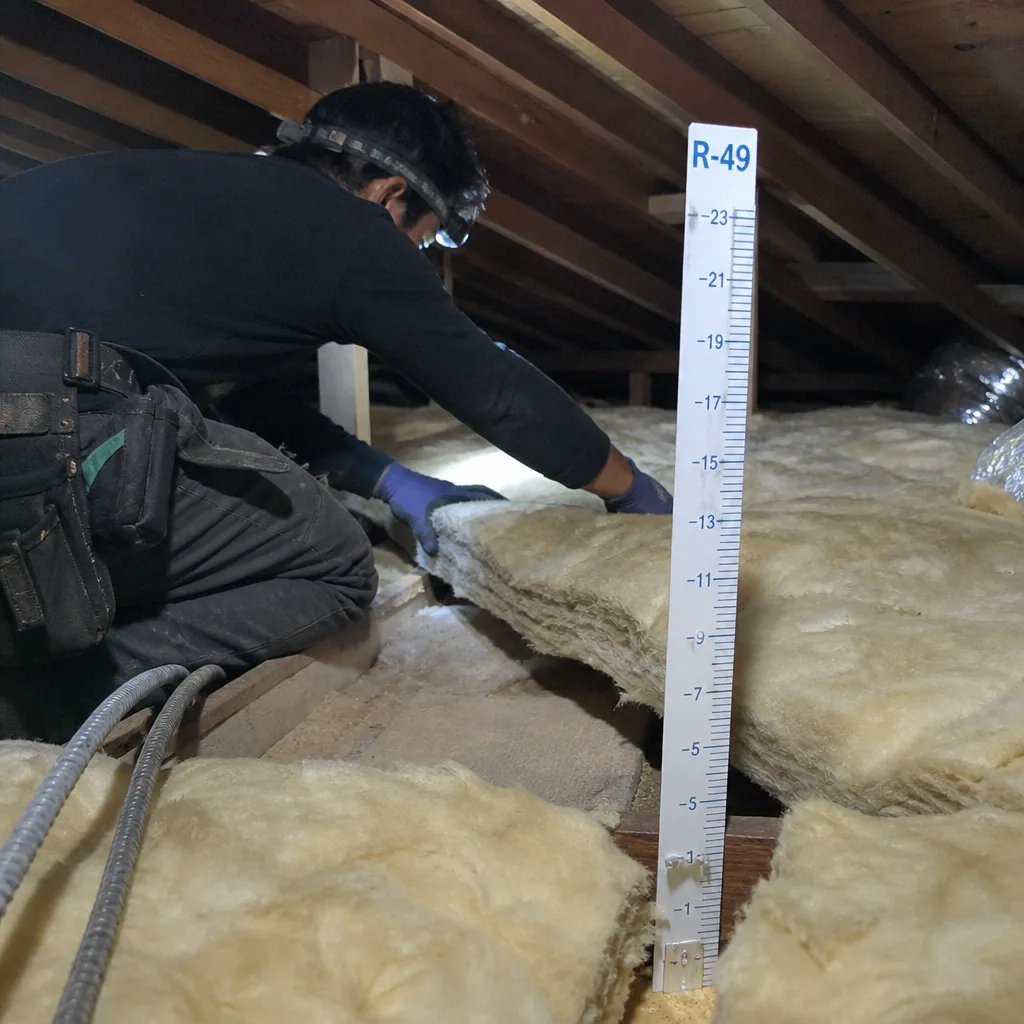
Wes Okafor leads Topside Attic Insulation Union City, an independently owned and operated business operating under The Haven Standard since 2016. Since then, the team has assessed and completed work in more than 9,000 homes – each one with a written price before work started and a documented photo record when the crew left. Every technician is background-checked and arrives in uniform; a live person answers the phone at (650) 381-1512 around the clock, no voicemail queue.
Crawl space vapor barrier work is one part of a full building-envelope service line that includes attic insulation, blown-in insulation, spray foam, wall insulation, radiant barrier installation, attic air sealing, insulation removal and replacement, attic cleaning and rodent proofing, and home energy audits. Materials come from manufacturers including CertainTeed and GreenFiber – selected for the job, not for brand loyalty. No proprietary product lock-in, no upsells that aren’t in the written scope.
Written by Wes Okafor, Owner at Topside Attic Insulation Union City, serving Union City.