
Last updated September 24, 2026
DIY vs Professional Insulation: The Union City Homeowner’s Decision Guide
Here’s the uncomfortable truth we’ve documented across more than 9,000 homes since 2016: a homeowner who rents a blower and installs R-38 cellulose over unaddressed top-plate gaps will measure the same post-installation leakage rate as before the job. Blown insulation does not seal air. It resists conducted heat. Those are two separate physical mechanisms, and they require two separate interventions. In Union City’s climate - where marine layer moisture meets inland valley heat swings - that distinction matters more than most homeowners realize until they’re staring at a mold-stained attic deck.
This guide breaks the DIY question into two independent assessments: air sealing and insulation installation. We’ll cover which Union City attic conditions make DIY genuinely viable, what California code requires from licensed contractors, how to hire a standalone blower-door test to verify your own air-sealing work, how to hire an insulation contractor in Union City, and a complete cost comparison that accounts for the expenses competitors leave out of their cheerful “save money with DIY” tutorials.
Quick Answer
Most Union City homeowners can physically install insulation themselves, but few can properly air-seal an attic first - and unsealed air leaks will negate the performance of even perfect insulation installation. If your attic is open, dry, pest-free, and you’re willing to hire a standalone blower-door test to verify your sealing work, DIY can work for insulation-only. If you find moisture staining, compressed or rodent-damaged existing insulation, or top-plate gaps wider than a quarter-inch, the prerequisite work requires equipment and diagnostic skills that rental-counter tools don’t substitute for.
Table of Contents
- Two Separate Tasks: Air Sealing vs. Insulation Installation
- Union City Attic Conditions: When DIY Makes Sense
- California Code Requirements That Override the DIY Option
- Real Cost Comparison: DIY vs. Professional in Union City
- How to Use a Standalone Blower-Door Test to Validate DIY Work
- Material Selection: What Works in Union City’s Climate
- Common Mistakes to Avoid
- When to Call a Professional
- Frequently Asked Questions
- The Bottom Line
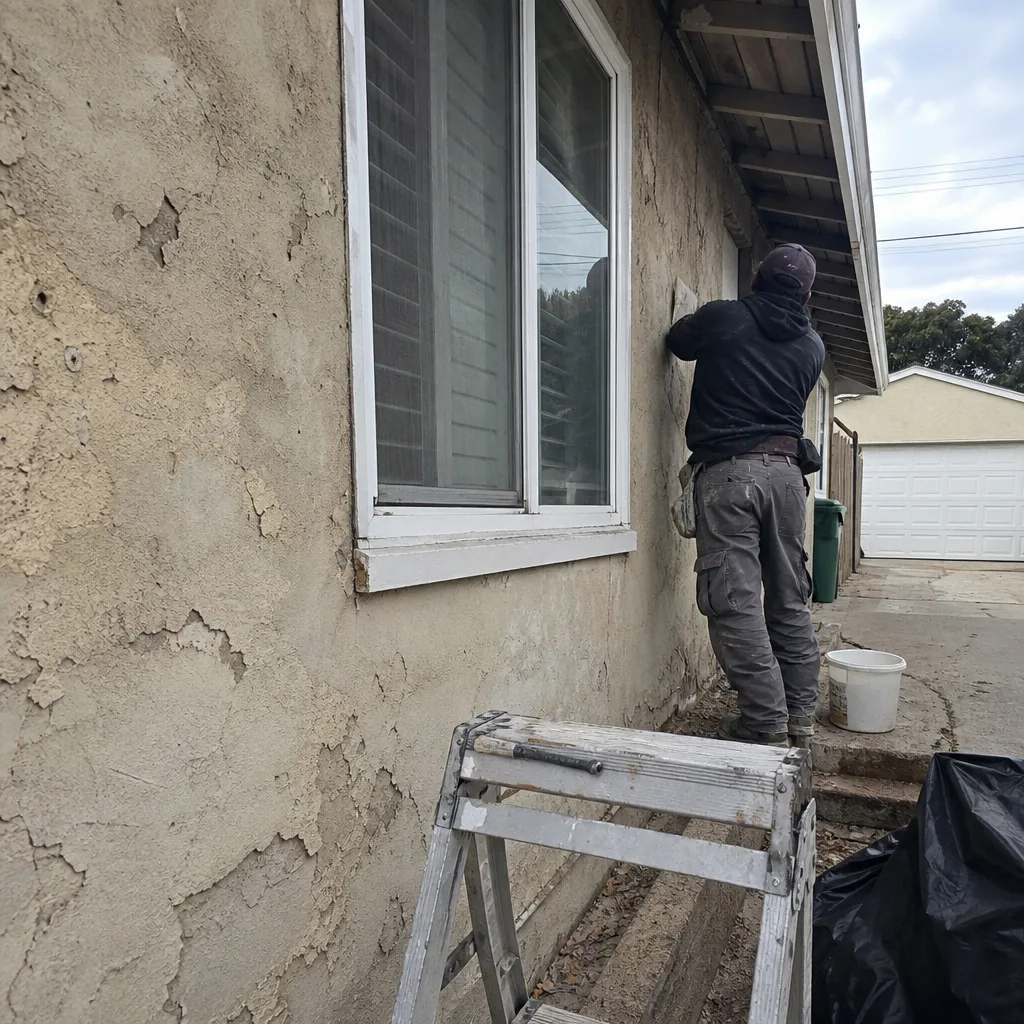 Before
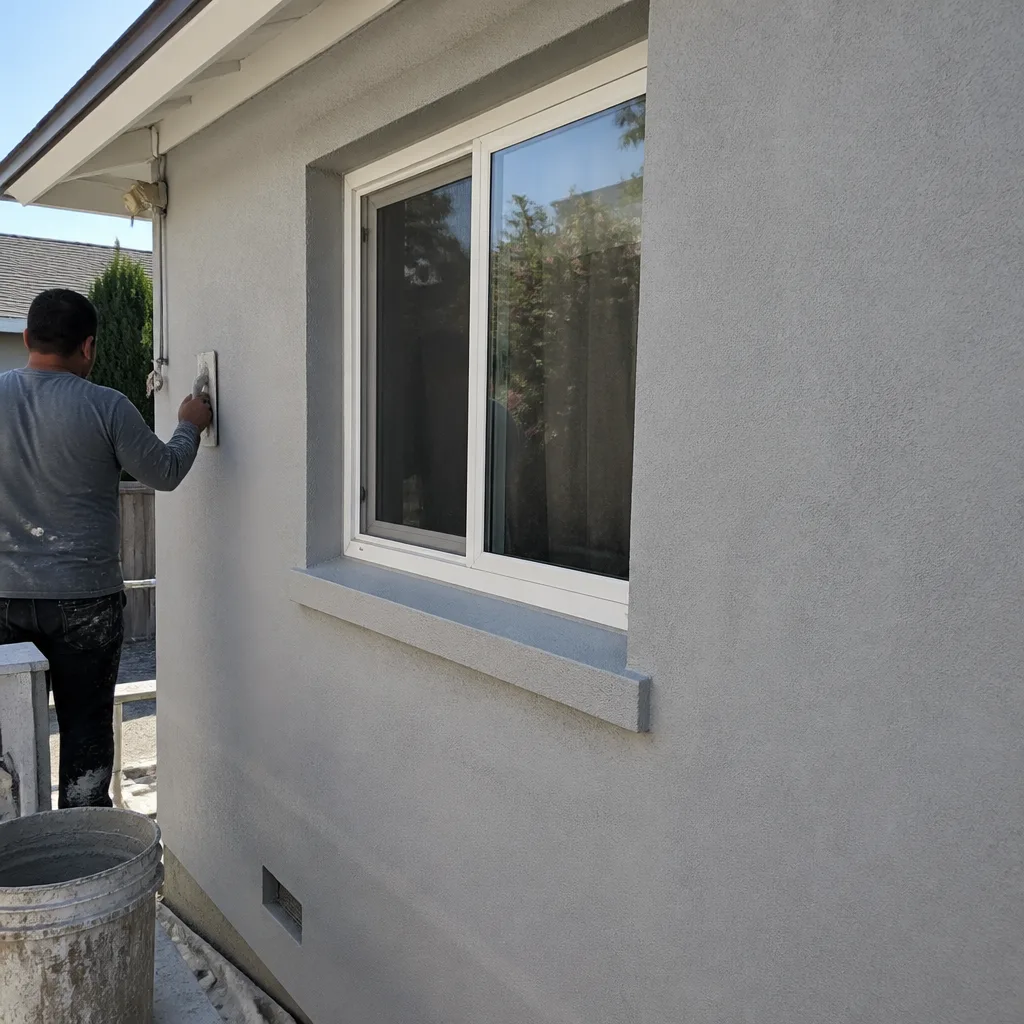 After
AfterTwo Separate Tasks: Air Sealing vs. Insulation Installation
The home improvement industry sells insulation as a single product and a single project. It isn’t. Building science recognizes two distinct control layers in your attic: the air barrier and the thermal barrier. The air barrier stops conditioned air from escaping into the attic. The thermal barrier - your insulation - slows heat transfer through building assemblies. You can have excellent insulation and terrible air sealing, or vice versa. In Union City’s mixed climate, you need both.
Air sealing addresses the bypasses: top plates where interior walls meet the attic floor, plumbing and electrical penetrations, can light housings, chimney chases, and dropped soffits. These leaks are invisible from the attic floor because they’re buried under existing insulation or hidden by framing. Finding them requires either a blower-door test with infrared camera guidance, or years of pattern recognition from having sealed thousands of similar homes. Sealing them requires specific materials: fire-rated caulk for penetrations, rigid foam with proper sealing tape for larger gaps, metal flashing with high-temp sealant for chimney clearances. None of this is conceptually difficult. The difficulty is knowing which gaps matter, how big they are, and whether you’ve actually closed them.
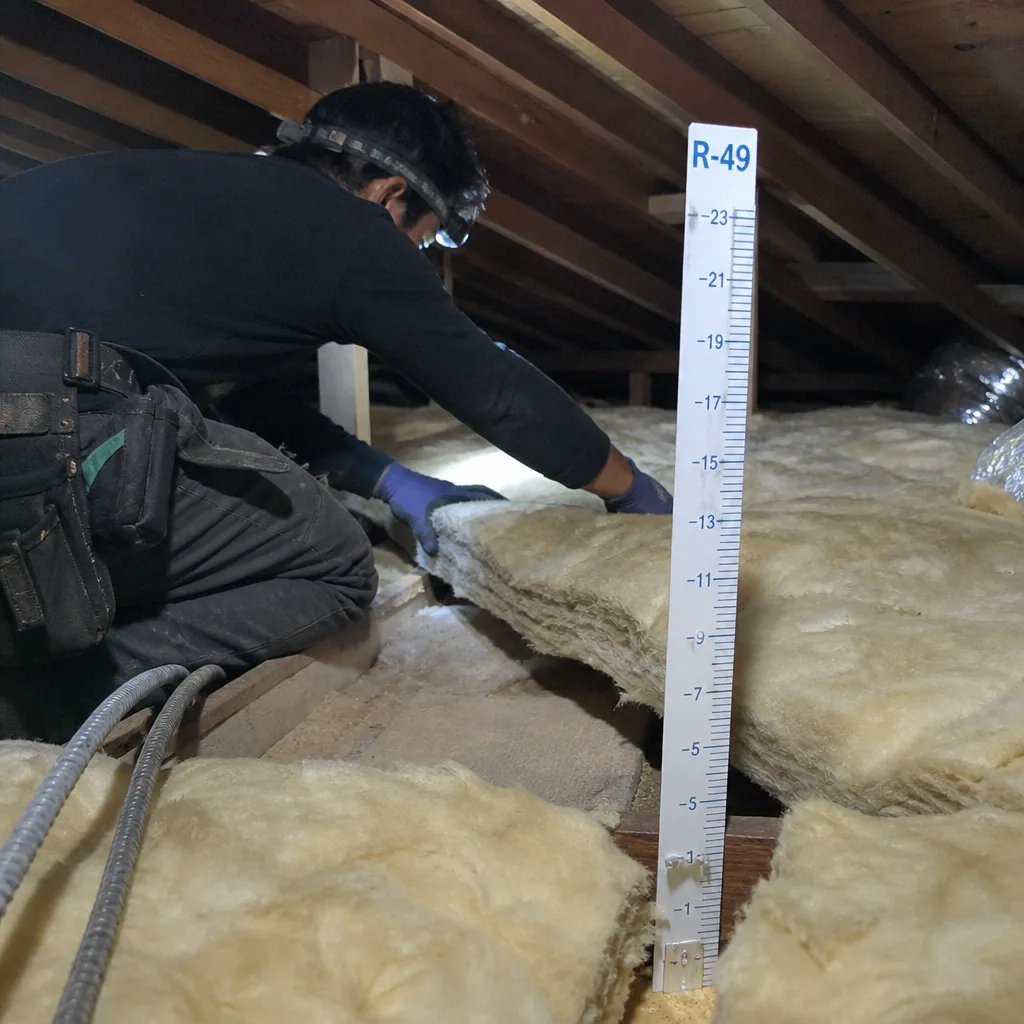
Insulation installation is the part most homeowners picture: carrying batts or running a rental blower, achieving uniform depth, keeping material away from soffit vents and heat-producing fixtures. This is genuinely within reach for a careful homeowner with a free weekend. The problem is that insulation installed over unsealed leaks performs as if it weren’t there at all. Moving air bypasses the insulation’s R-value entirely. We’ve measured this in Union City homes in the Decoto and Alvarado neighborhoods: post-DIY-installation blower-door readings showing 3,800 CFM50 or higher, meaning the home was still losing conditioned air at nearly the same rate as before the homeowner spent $800 on rental equipment and materials.
The honest way to frame the DIY question: can you do both tasks, or only one? If only one, which task are you actually equipped to complete correctly?
Union City Attic Conditions: When DIY Makes Sense
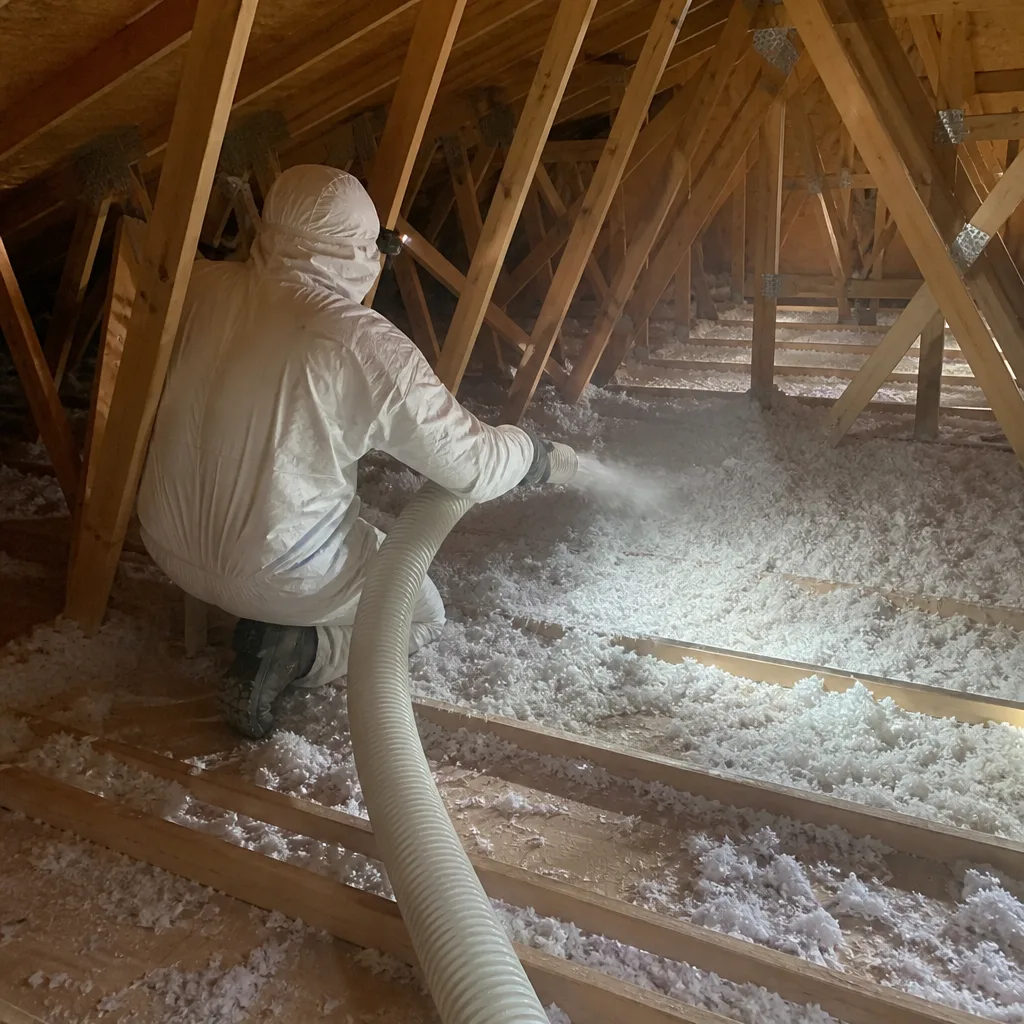
Not every attic presents the same challenge. In our work across Union City - from the older ranch homes near Union Landing to the 1980s split-levels in the hills above Alvarado Boulevard - we’ve identified specific conditions that make DIY insulation installation genuinely viable, and others that make it a mistake.
Conditions Favoring DIY Insulation Installation
- Open, walkable attic floor with 6+ feet of clear headroom at the hatch and a solid subfloor or joists you can safely traverse
- No existing moisture staining on the roof deck or rafters - dark streaks, especially near the eaves, indicate active condensation or roof leaks that must be resolved first
- No pest damage or rodent activity - no compressed insulation trails, no droppings, no gnawed wiring (if you find these, the remediation requires protective equipment and disposal protocols most homeowners don’t have)
- Existing insulation in fair condition - you can add over it without removal, saving significant labor
- Accessible soffit vents that are already clear and can be protected from blockage during installation
- Top plates and penetrations visible and accessible - in some newer Union City construction, these are exposed enough that a diligent homeowner can seal them with a few tubes of caulk and some patience
Conditions That Make DIY a Liability Risk
- Pre-1980 construction with knob-and-tube wiring still active - burying this in insulation is a fire hazard and may violate your homeowner’s insurance policy
- Visible mold on the roof deck - the source is almost always air leakage carrying moisture into the cold attic; adding insulation without fixing the leak accelerates decay
- Sagging or water-stained drywall on the ceiling below - this indicates active roof leaks or severe condensation, neither of which insulation will fix
- Multiple can lights in ceilings below - these create dozens of penetration points that require specific air-sealing assemblies; IC-rated housings still leak
- Cape Cod or 1.5-story designs with kneewalls - the thermal boundary is complex and often misidentified by homeowners
- Recent rodent infestation - droppings carry hantavirus; removal requires respirators and disposal bags most rental centers don’t stock
In Union City’s older neighborhoods, particularly the homes built during the 1950s and 1960s development boom, we regularly find attics that look simple from the hatch but conceal multiple layers of partially effective work done by previous owners. One home on Revere Avenue had three distinct insulation types in stratified layers, each trapping moisture differently. The homeowner who’d added the top layer had no way to see what was beneath.
California Code Requirements That Override the DIY Option
California’s Title 24 energy code creates specific situations where a licensed contractor’s involvement isn’t optional - it’s legally required for permit compliance and utility rebate eligibility. Union City falls under the Bay Area Air Quality Management District, which adds additional permit and code requirements for certain project types.
When Title 24 Compliance Documentation Is Required
- Any insulation project tied to a permitted addition or remodel - the HERS (Home Energy Rating System) rater must verify insulation grade and air sealing; homeowner-installed work cannot receive HERS certification
- Projects seeking PG&E Energy Upgrade California rebates - these require pre- and post-installation documentation by a participating contractor; DIY work disqualifies the rebate
- Spray foam insulation of any type - the application requires a C-2 Warm-Air Heating, Ventilating and Air-Conditioning license or C-61/D-49 license classification; homeowner application violates state contracting law and voids manufacturer warranty
- Projects involving asbestos-containing vermiculite removal - pre-1990 homes may contain this material; disturbance requires licensed abatement contractors and air clearance testing
Even for simpler projects, Union City’s building department requires permits for insulation removal and replacement when the area exceeds specific thresholds. A call to (650) 381-1512 - the city’s building division - can clarify whether your specific project triggers this requirement. We’ve seen homeowners complete entire attic jobs only to discover at resale that the work lacked required documentation, forcing a costly re-inspection.
The practical implication: if you’re considering DIY primarily to save money, calculate whether you’re forfeiting rebates or creating future compliance costs that erase those savings. A $1,200 DIY job that disqualifies you from $800 in utility rebates and requires $600 in permit correction fees isn’t a savings.
Real Cost Comparison: DIY vs. Professional in Union City
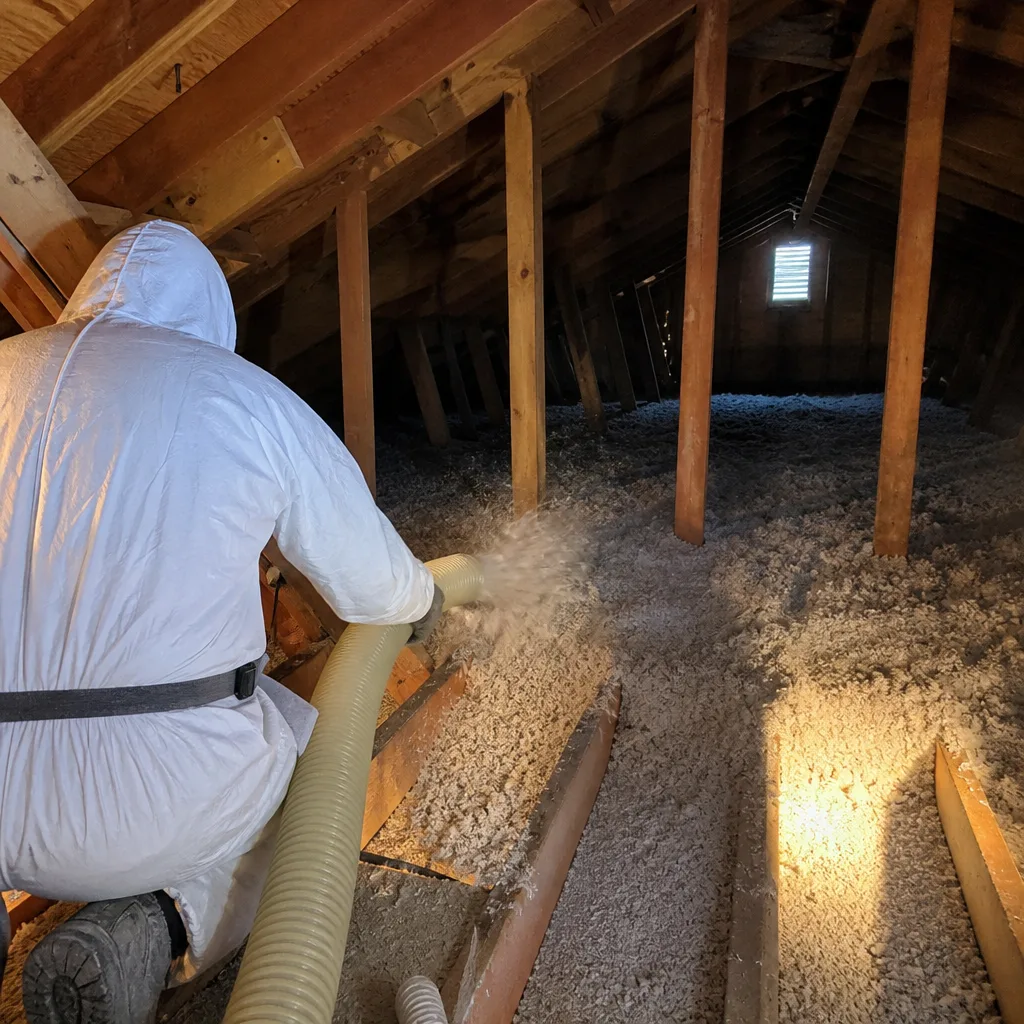
Most online “DIY vs. pro” comparisons compare material cost to labor cost and stop there. That comparison is incomplete and misleading. Here’s what Union City homeowners actually spend, accounting for the full project lifecycle - see our Insulation Cost Breakdown: The Union City Homeowner’s Reference for 2026.
| Cost Category | DIY Approach | Professional (Topside Attic Insulation Union City) |
|---|---|---|
| Cellulose material (1,200 sq ft attic to R-38) | $380-$520 (GreenFiber or similar, retail) | Included in project price |
| Insulation blower rental (2-day minimum) | $85-$140 | N/A (crew-owned equipment) |
| Air sealing materials (caulk, foam, tape, metal flashing) | $75-$150 | Included in project price |
| Protective equipment (respirator, coveralls, eye protection) | $45-$80 | N/A |
| Dumpster or disposal fees for old insulation | $180-$280 (if removal needed) | Included in project price |
| Standalone blower-door test (to verify your air sealing) | $350-$500 | Included; before-and-after readings published |
| Infrared camera rental (to find leaks to seal) | $65-$95/day | N/A |
| Material waste (overbuy for safety, partial bags unused) | $60-$100 typical | Absorbed by contractor; exact takeoff |
| Your labor (16-24 hours at conservative valuation) | $0 if unpaid; $400-$800 at $25/hr | N/A |
| Post-job documentation for resale or rebates | $0 (none produced) | Documented Photo Record; written scope and warranty |
| Total Comparable Cost | $1,230-$2,665 (with blower-door verification) | $1,800-$3,400 for typical Union City attic (varies by condition) |
The gap narrows significantly when you account for the standalone blower-door test that honest DIY requires. Without that test, you’re guessing whether your air sealing worked. With it, you’ve spent nearly as much as professional installation while assuming all the physical risk and forfeiting any warranty or callback protection.
Our Attic Insulation in Union City page lists current pricing for specific home sizes and conditions. We publish these ranges because Haven Standard Clause 1 requires a written price before any work starts - there’s no “call for quote” step that lets us adjust upward on arrival.
How to Use a Standalone Blower-Door Test to Validate DIY Work
If you’re committed to DIY insulation installation, the single most important investment you can make is hiring a standalone blower-door test - both before and after your air-sealing work. This is how you know whether the prerequisite task was completed correctly.
What a Blower-Door Test Measures
A blower-door test is a pressurization reading that shows, in one number, how much air your building envelope is losing. The technician mounts a calibrated fan in an exterior door, depressurizes the house to -50 Pascals, and measures the airflow required to maintain that pressure difference. The result is expressed in CFM50 - cubic feet per minute at 50 Pascals. A typical 1970s Union City ranch might test at 3,500-4,500 CFM50 before any work. After proper air sealing, that same home should drop to 2,000-2,800 CFM50. After insulation alone, with no air sealing, it might drop 100-200 CFM50 - essentially unchanged.
How to Structure Your DIY Project Around Testing
- Hire pre-work blower-door test and infrared scan - cost in Union City: $350-$500. The infrared camera, used during the test, reveals exactly where warm air is escaping into the attic. Take photos of every highlighted location.
- Complete air sealing based on the infrared findings - address every penetration the camera identified. Document your work with your own photos.
- Hire post-sealing blower-door test - another $350-$500. Compare to your baseline. If you haven’t achieved at least a 20% reduction in CFM50, your sealing is insufficient and insulation installation should wait.
- Only proceed to insulation installation after verifying the air barrier - this is the step most DIY guides omit entirely.
The total testing cost - $700-$1,000 - is what makes the DIY vs. professional comparison tighten. It’s also what separates a project that actually performs from one that merely looks completed. We’ve been called to homes in the Niles area where homeowners proudly showed us their thick new insulation layer, then watched our blower-door test reveal they’d achieved no meaningful leakage reduction. The insulation was doing almost nothing because the air was still moving through it.
Under Haven Standard: Arrive on schedule, you get a named technician and a text when they are on the way. Every applicable job includes before-and-after blower-door numbers published in your documented record, so you see the performance change you paid for rather than taking our word for it.
Material Selection: What Works in Union City’s Climate
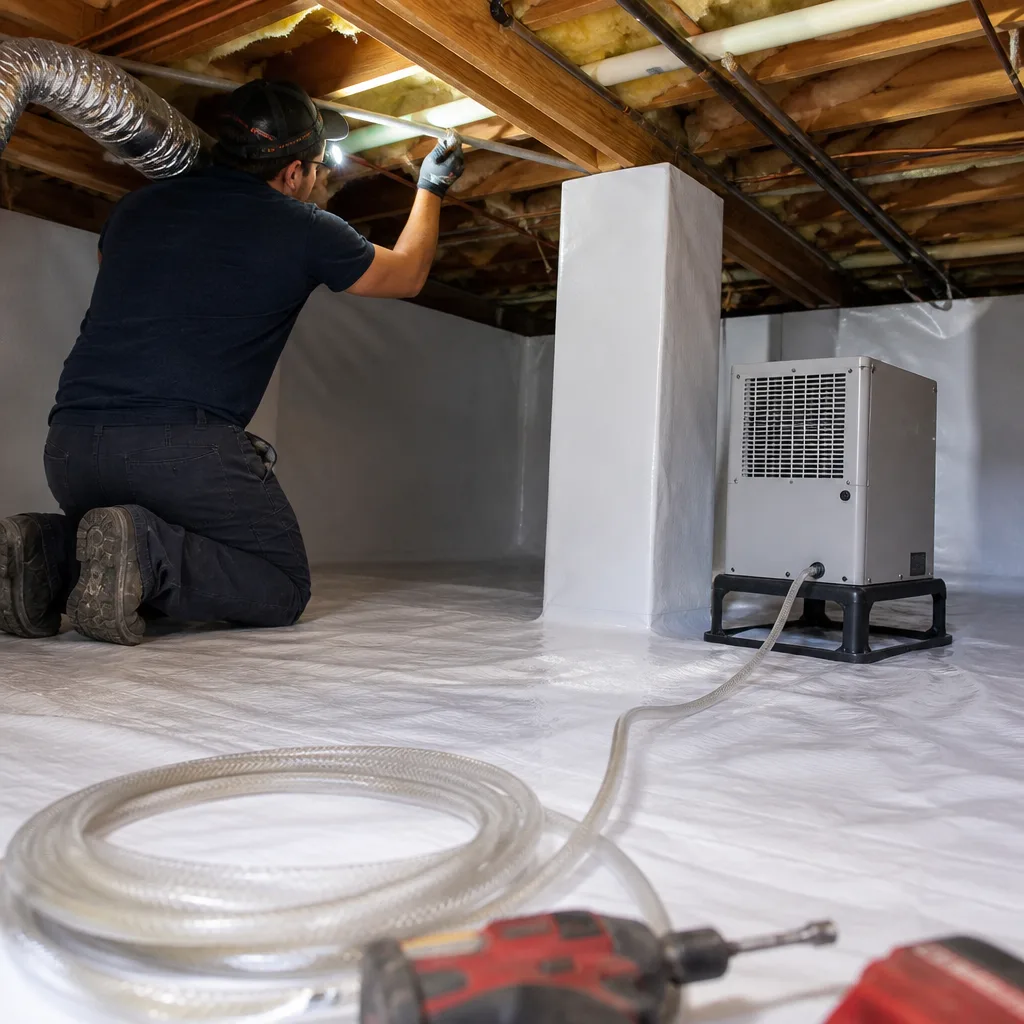
Union City’s climate is defined by its position between San Francisco Bay and the East Bay hills. Summer highs reach the 80s, with occasional spikes into the 90s. Winter lows dip to the 40s. The marine layer brings morning moisture, particularly in spring and early summer. This combination - moderate temperatures with moisture variability - shapes material selection more than extreme cold or heat would.
Cellulose (Blown-In)
Recycled paper fiber treated with boric acid for fire and pest resistance. GreenFiber is the brand most readily available to Union City homeowners through retail channels. Cellulose performs well in our climate, handles moderate moisture cycles without degradation, and fills irregular joist cavities effectively. R-value: approximately 3.2-3.8 per inch. For attics, we typically specify R-38 to R-49, which at cellulose density requires 10-15 inches of settled depth.
The downside for DIY: achieving proper density requires equipment calibration most rental blowers don’t offer. Under-dense cellulose settles excessively and loses R-value. Over-dense wastes material and can overload ceiling drywall.
Fiberglass (Batts or Blown)
Owens Corning and Johns Manville produce the fiberglass products most common in Bay Area distribution. Batts are the most DIY-friendly form - predictable size, no equipment rental, straightforward installation. The failure mode is gaps: compressing batts to fit irregular spaces, leaving thin spots at edges, or failing to cut around obstructions precisely. Each gap creates a thermal bypass that disproportionately reduces overall performance.
Blown fiberglass requires the same rental equipment as cellulose but achieves higher R-value per inch - approximately 4.0-4.5. It’s less susceptible to moisture absorption but more sensitive to air movement through it, making the air-sealing prerequisite even more critical.
Spray Foam (Open-Cell and Closed-Cell)
This is not a DIY material. Open-cell spray foam (Icynene, Demilec) and closed-cell (various manufacturers) require specialized equipment, trained applicators, and specific substrate temperature and moisture conditions. The chemical reaction generates heat and requires ventilation management. California licensing requirements explicitly prohibit homeowner application. Our Spray Foam Insulation in Union City page details when this premium material is justified - typically in conditioned attics or where space constraints prevent achieving target R-values with other materials.
Mineral Wool (Roxul/Rockwool, Knauf)
Knauf’s mineral wool products offer excellent fire resistance and dimensional stability, with R-values comparable to fiberglass. The higher material cost is offset by durability in high-temperature applications - around chimneys, for instance, where other materials require clearance assemblies. For standard Union City attic floors, the performance advantage over cellulose or fiberglass is marginal; the selection typically comes down to specific fire-safety requirements or homeowner preference.
Common Mistakes to Avoid
- Installing insulation over active knob-and-tube wiring - this creates a fire hazard and may void your homeowner’s insurance; have an electrician verify and replace aging wiring first
- Blocking soffit vents with insulation - Union City’s marine layer moisture requires continuous attic ventilation; blocked vents create condensation that rots roof decks and breeds mold
- Compressing insulation to fit - R-value is measured at full loft; a batt compressed from 6 inches to 3 inches performs at roughly half its rated value
- Ignoring top-plate gaps because they’re hidden - the most significant air leaks in most Union City homes occur where interior walls meet the attic floor; these are invisible until you move or remove existing insulation
- Skipping the blower-door verification - without measured proof, you’re assuming your air sealing worked; in our experience, homeowner assumptions about leakage locations are wrong more often than right
- Using the wrong material near heat sources - standard cellulose and fiberglass require clearance from flues and can lights; only mineral wool or specific high-temperature assemblies belong adjacent to these elements
- Failing to document before conditions - if moisture or pest issues develop later, photos of the pre-work attic condition protect you in insurance or warranty disputes
When to Call a Professional
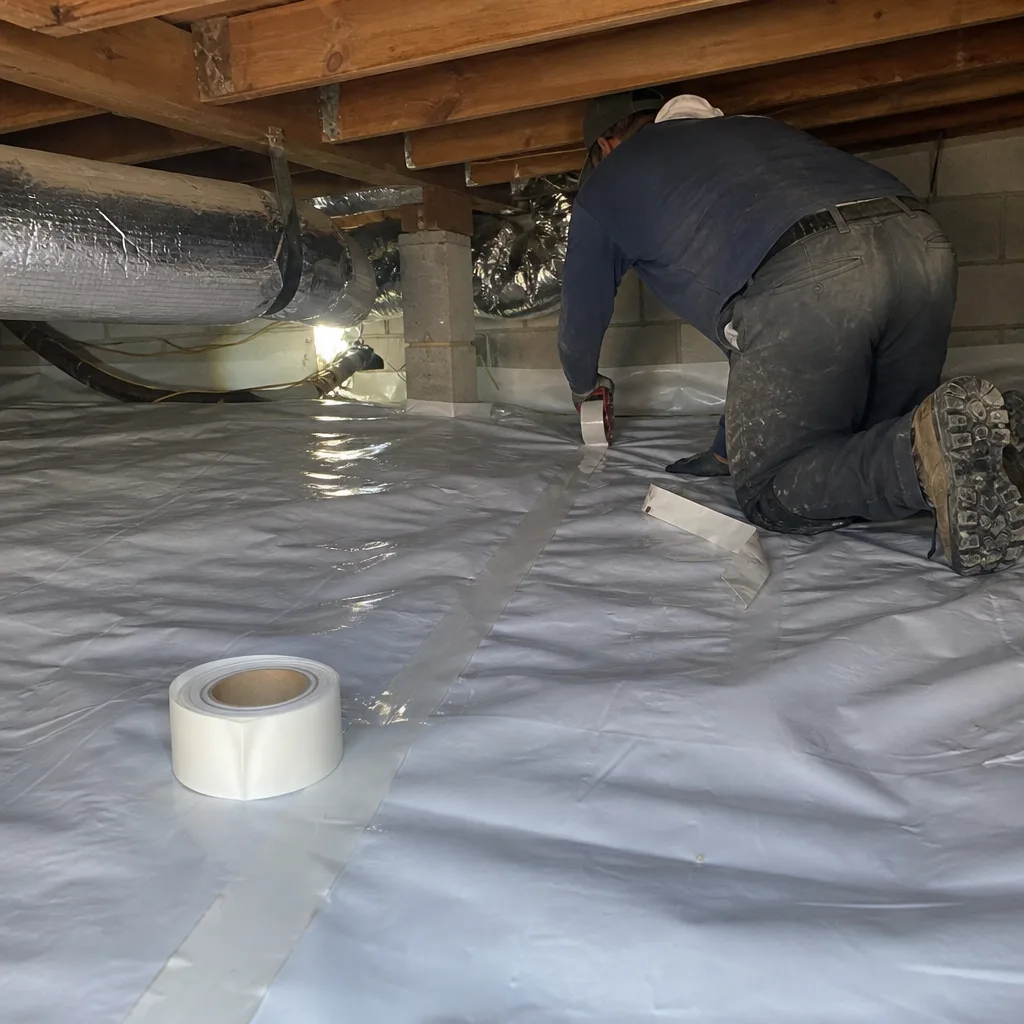
Call a professional when any of these conditions apply: your attic shows moisture staining or mold, you find rodent damage or droppings, your home was built before 1980 and wiring hasn’t been updated, you’re considering spray foam or any material requiring licensed application, you need Title 24 compliance documentation for permits or rebates, or you’ve completed air sealing and want blower-door verification before installing insulation.
Topside Attic Insulation Union City offers free estimates in Union City - call (650) 381-1512. Every estimate includes a written price before any work starts, under Haven Standard Clause 1. We also provide free second opinions on any written estimate you’ve received from another contractor; bring us their scope and we’ll review it with you, line by line.
Frequently Asked Questions
Most attic insulation jobs in a typical Union City home run between $1,800 and $3,400, depending on existing conditions, accessibility, and whether removal of old material is required. That range includes air sealing, material, installation, cleanup, and our Documented Photo Record with before-and-after blower-door readings on applicable jobs. Call (650) 381-1512 for a written price specific to your home - estimates are free.
Technically yes, though practically it’s awkward. Few contractors will warranty air sealing work if they didn’t also install the insulation that covers it - they can’t verify their work wasn’t disturbed. Under Haven Standard, we seal first, then insulate, and document both stages in your photo record. If you want to split the work, hire the blower-door test first, seal what you can, test again, and only then call for insulation-only quotes - but expect most reputable contractors to prefer handling both stages.
Union City’s marine influence moderates temperature extremes compared to Livermore or Tracy, but the moisture variability actually increases the importance of air sealing. Morning fog penetrates poorly sealed attics, condenses on cold surfaces, and creates the mold conditions we regularly find in homes near the bayward edge of town. The insulation material itself - cellulose, fiberglass, or mineral wool - doesn’t differ from inland recommendations, but the installation detail (ventilation management, vapor retarder placement) does.
Adding new insulation over old is cheaper when the existing material is dry, uncompressed, and pest-free - typically 30-40% less than removal and replacement. But if the old insulation shows moisture damage, rodent contamination, or was installed before asbestos regulations (pre-1990 vermiculite), removal is mandatory and addition-over isn’t an option. We assess this during our free estimate and show you photos of what we find. Call (650) 381-1512 to schedule.
Calculate one square foot of net free vent area per 150 square feet of attic floor, or per 300 square feet if you have a vapor retarder and balanced soffit-to-ridge ventilation. Most Union City homes from the 1960s-1980s were built with inadequate ventilation by current standards. Adding insulation without addressing ventilation traps moisture. We measure existing vent area during every estimate and specify additions when needed - it’s part of the written scope, not an upsell discovered mid-project.
You should receive: a written scope of work matching what was quoted, a written warranty with specific terms and duration, photos documenting conditions before and after work, and on jobs where air sealing was performed, before-and-after blower-door readings showing the measured improvement. Under Haven Standard, every job closes with this Documented Photo Record delivered digitally; we don’t make you request it. If your contractor can’t produce these items, you can’t verify what you paid for.
The Bottom Line
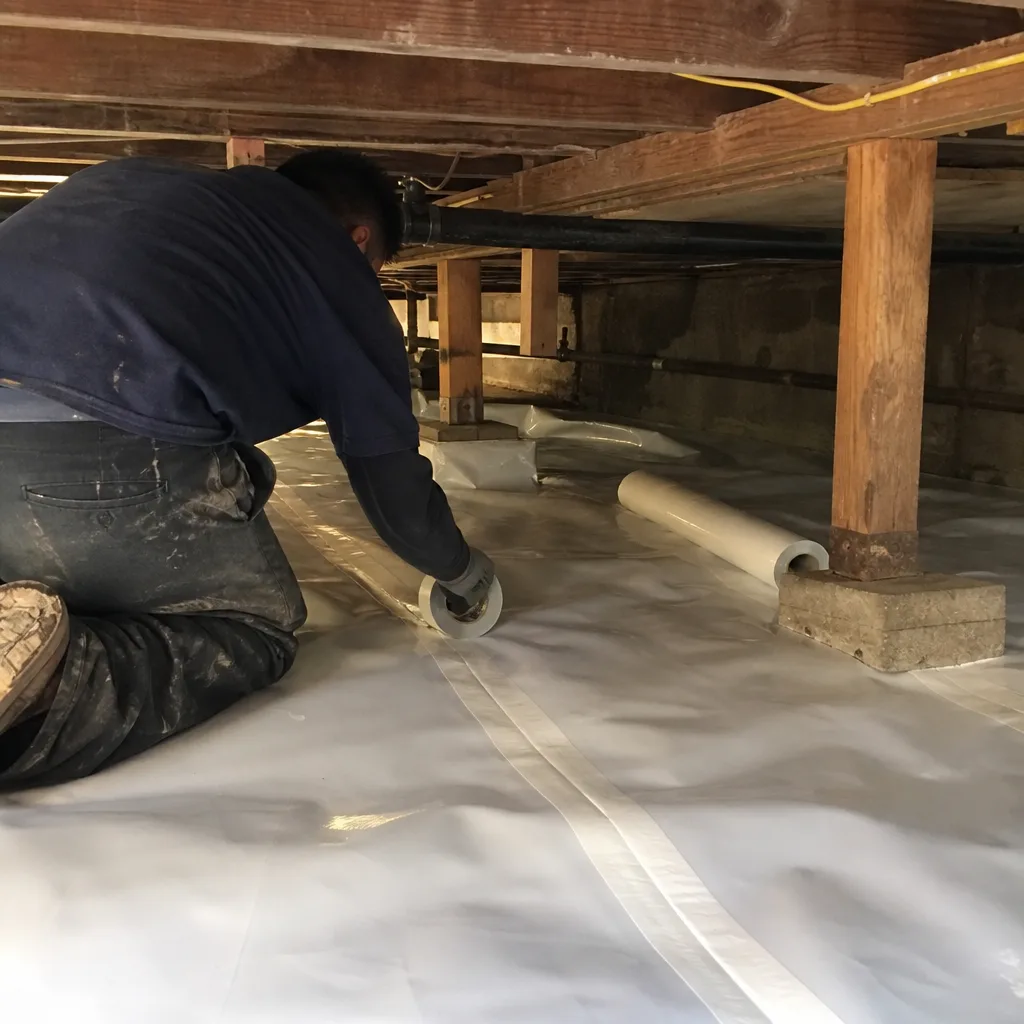
The DIY insulation question isn’t about whether you can carry batts or run a blower. It’s about whether you can find and seal the air leaks that determine whether your insulation will perform - and whether you can verify that sealing with diagnostic equipment. In Union City’s climate, unsealed attics waste energy and trap moisture regardless of how thick the insulation layer appears. The homeowners who get real results either commit to the full two-stage process with proper testing, or they hire professionals who treat air sealing as a hard prerequisite and prove the results with blower-door numbers. There’s no third path that actually works.
If you’re weighing this decision for your Union City home, start with facts - or explore more guides & resources: call (650) 381-1512 for a free estimate with a written price before any work starts, or bring us a competitor’s written quote for our free second opinion. We’ll show you what we find, what it costs, and what documentation you’ll receive - no performance, no pressure.
For specialized needs, explore our full service line including Crawl Space Encapsulation & Vapor Barrier in Union City and our Topside Attic Insulation Union City home page for complete building envelope services.
Written by Wes Okafor, Owner at Topside Attic Insulation Union City, serving Union City since 2016.