
Last updated September 24, 2026
Insulation Permits, Codes & Inspections in CA: What You Need to Know
Here’s a number that stops conversations in our office: roughly 40% of the attic re-insulation jobs we bid in Union City follow an unpermitted DIY or handyman attempt that now requires remediation before a proper permit can even be applied for. The homeowner wasn’t trying to cut corners. They simply didn’t know that California’s Title 24 energy code treats insulation as part of a whole-building energy budget, not a standalone R-value swap, and that Union City’s building department enforces Alameda County’s specific threshold triggers for mechanical and thermal work. In this guide, we’ll walk through exactly when you need a permit for insulation work in Union City and across California, what documentation the California Energy Commission requires, how HERS raters fit into the process, and why skipping the permit pathway can surface as a resale disclosure problem years later. For related reading, see our Insulation Warning Signs: A Union City Homeowner’s Reference Guide.
Quick Answer
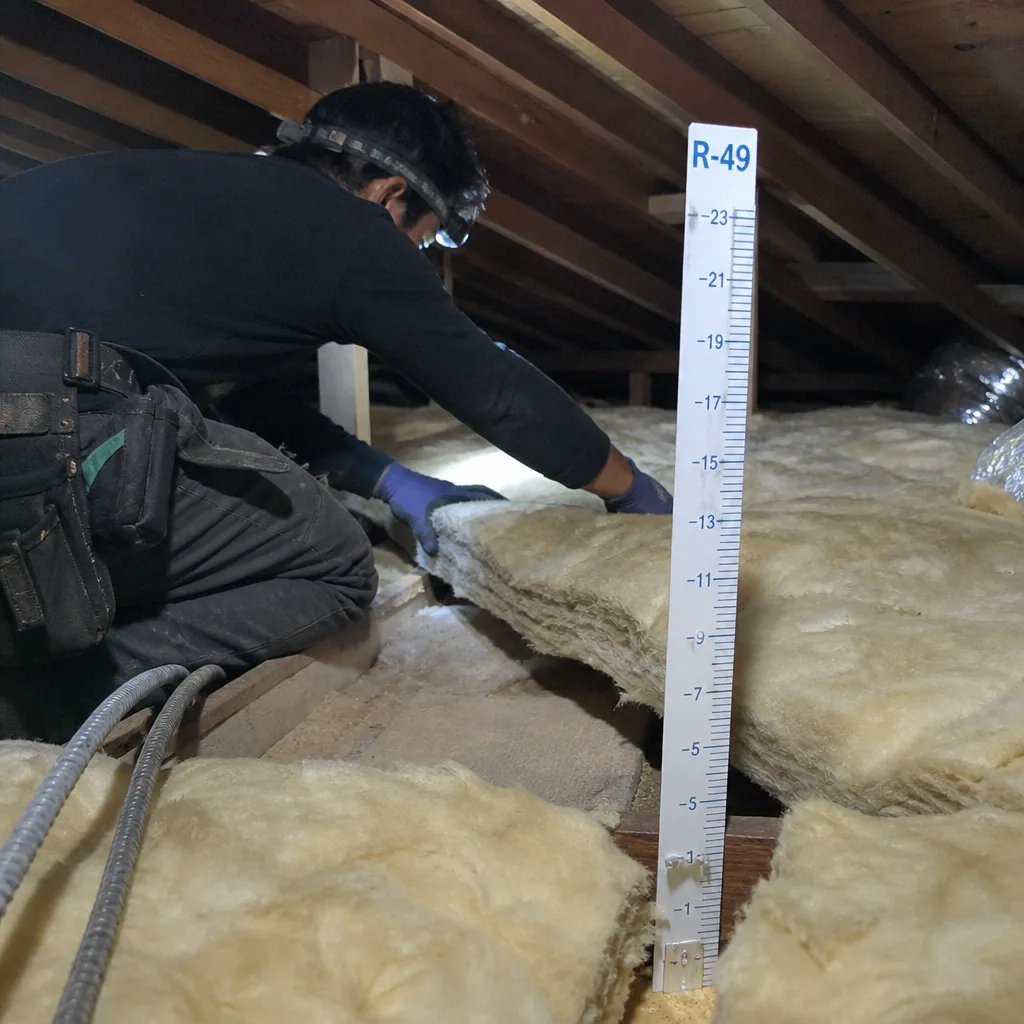
In California, insulation work requires a building permit whenever it involves structural modifications, changes to the thermal envelope of conditioned space, or exceeds specific square-footage thresholds set by your local jurisdiction. For most homeowners in Union City, this means a simple like-for-like batt replacement in an accessible attic may not need a permit, but adding blown-in insulation over an existing layer, spray foam in walls or rafters, or any work that alters attic ventilation typically does. The permit ensures your job meets Title 24’s energy budget requirements and produces the Certificate of Compliance you’ll need at resale.
Table of Contents
- When Is a Permit Required for Insulation Work?
- Title 24 Explained: Prescriptive vs. Performance Compliance
- What Does a HERS Rater Do, and When Do You Need One?
- California Energy Commission Documentation Requirements
- The Union City Permit Process Step by Step
- How Permits Affect PG&E Rebate Eligibility
- The Resale Risk: Permits and Disclosure Law
- Common Mistakes to Avoid
- When to Call a Professional
- Frequently Asked Questions
- The Bottom Line
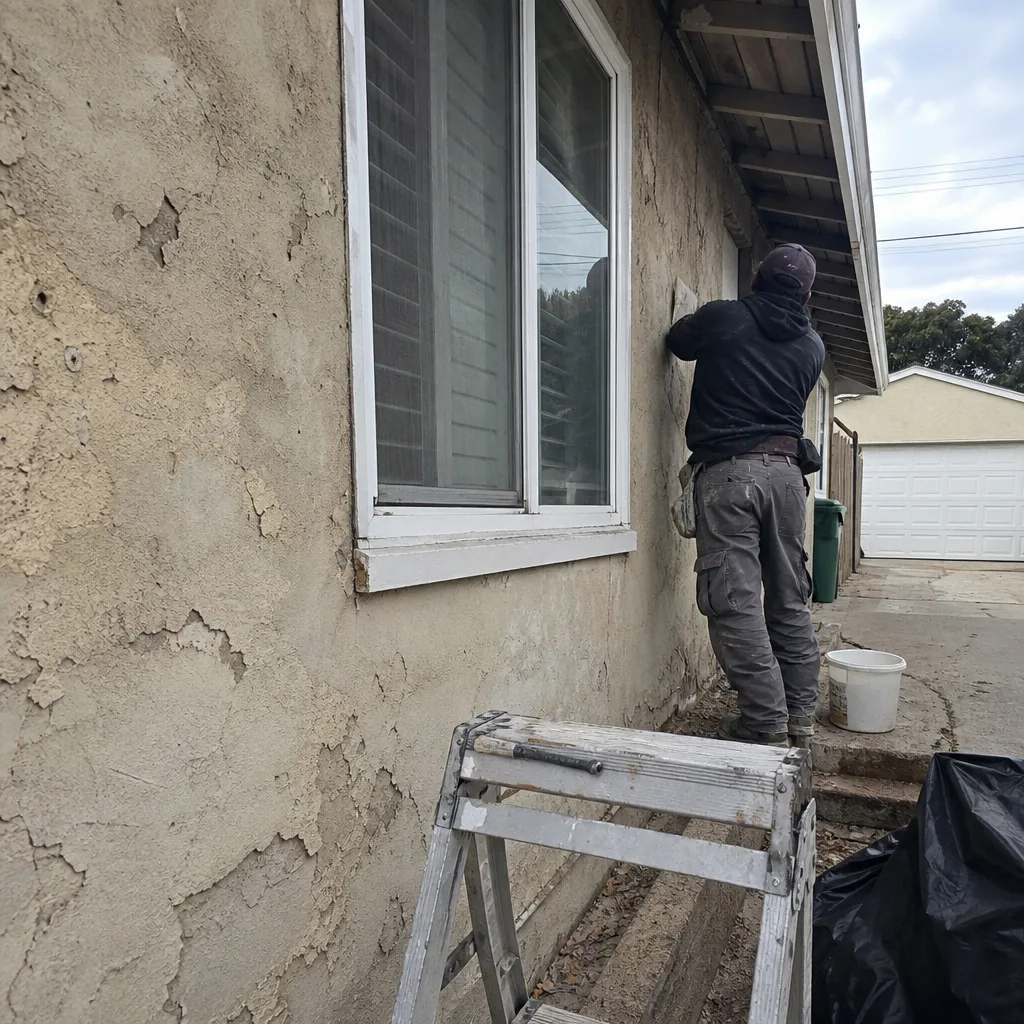 Before
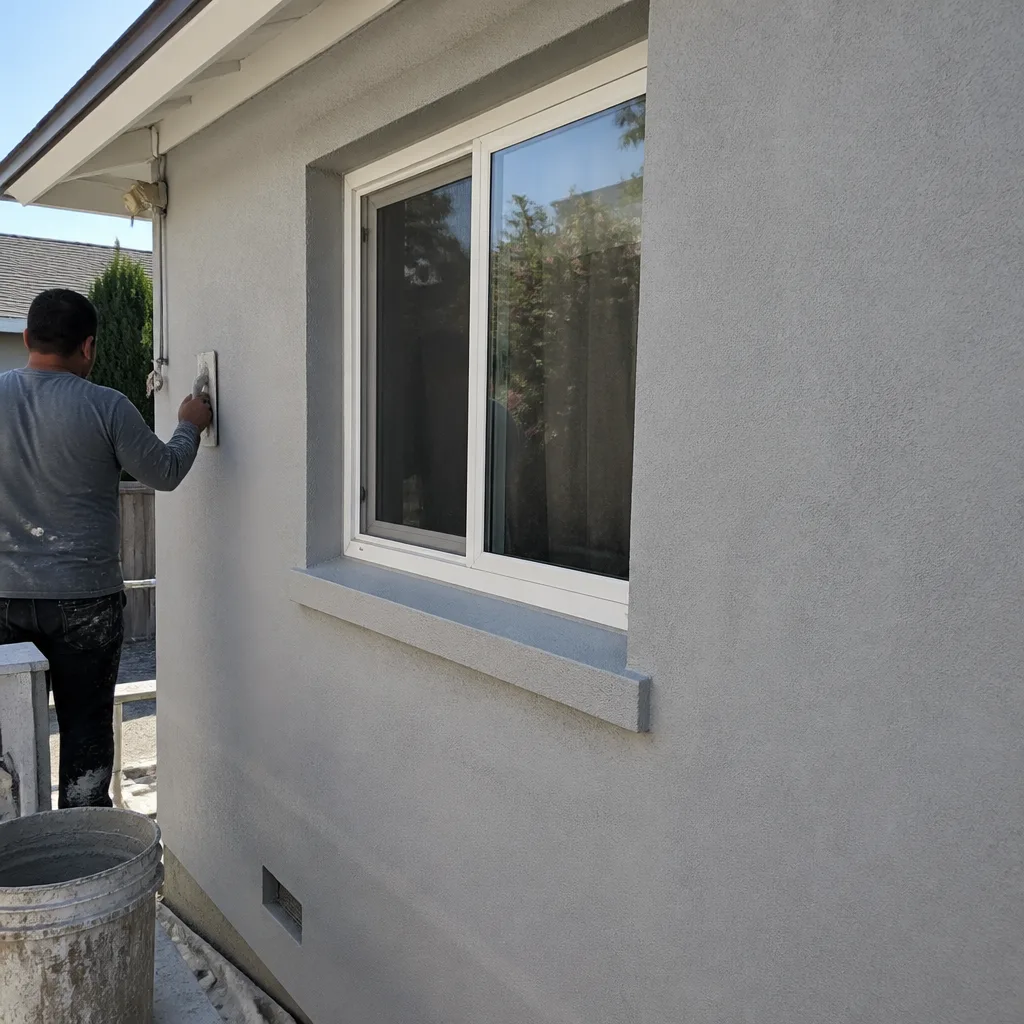 After
AfterWhen Is a Permit Required for Insulation Work?
California’s building permit framework is state-enabled but locally administered, which means the trigger for a permit varies by city and county. In Union City, which operates under Alameda County’s building code adoption with local amendments, the general rule is this: if you’re altering the thermal envelope or changing the insulation type, you likely need a permit.
Here are the specific scenarios that trigger permit requirements in Union City and comparable Alameda County jurisdictions:
- Adding insulation where none existed before. Converting an unconditioned attic to conditioned storage by adding insulation to the roof deck requires full permit review, including structural load analysis for the added weight.
- Changing insulation type or location. Moving from batt insulation to blown-in cellulose, or from floor-only to knee-wall and floor insulation, constitutes an envelope alteration.
- Exceeding 200 square feet of affected area in a re-insulation project. Union City’s building department interprets this threshold broadly; if your attic exceeds 200 square feet and you’re adding material rather than replacing damaged sections, plan on a permit.
- Spray foam application of any scope. Closed-cell and open-cell spray foam trigger permit requirements due to fire-rating considerations, ventilation requirements, and the need for ignition-barrier verification.
- Work that requires attic ventilation modification. Adding insulation that blocks or relocates soffit vents, ridge vents, or gable vents requires mechanical and energy code review.
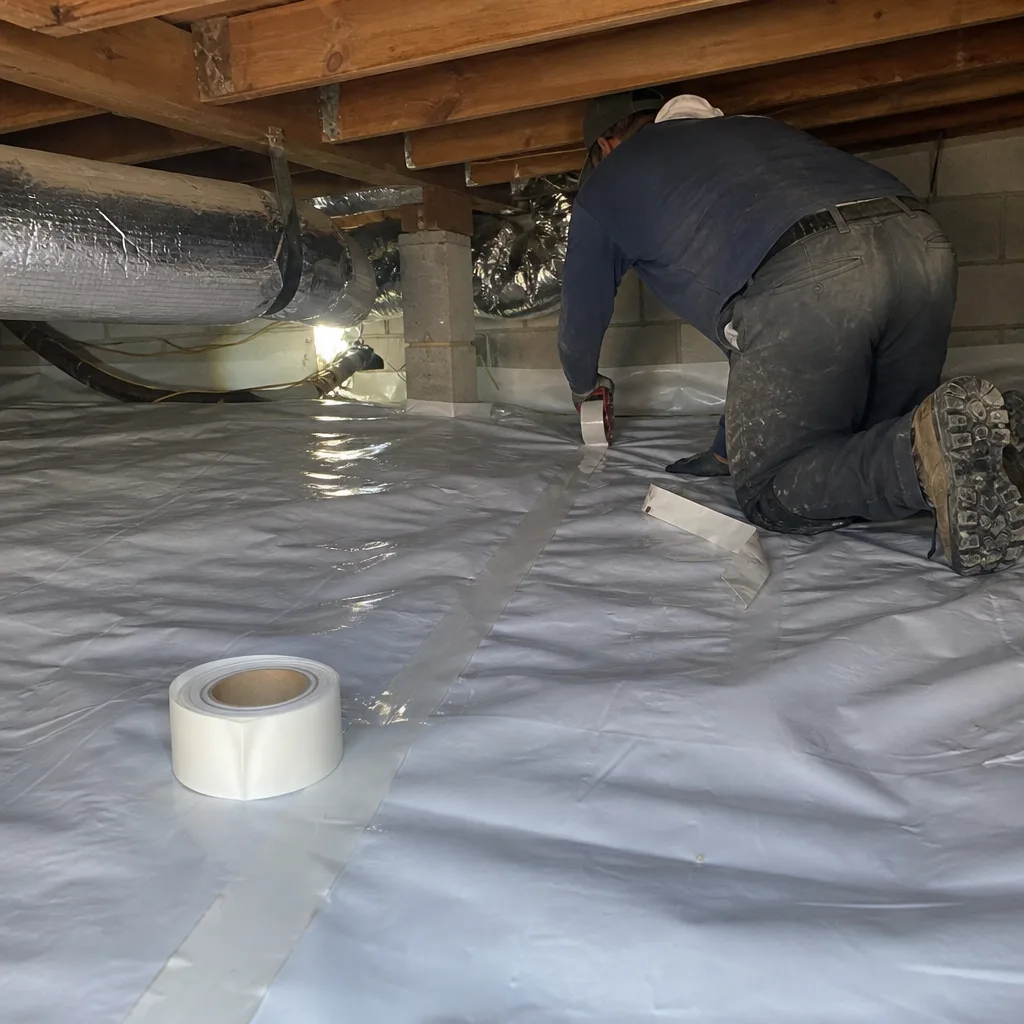
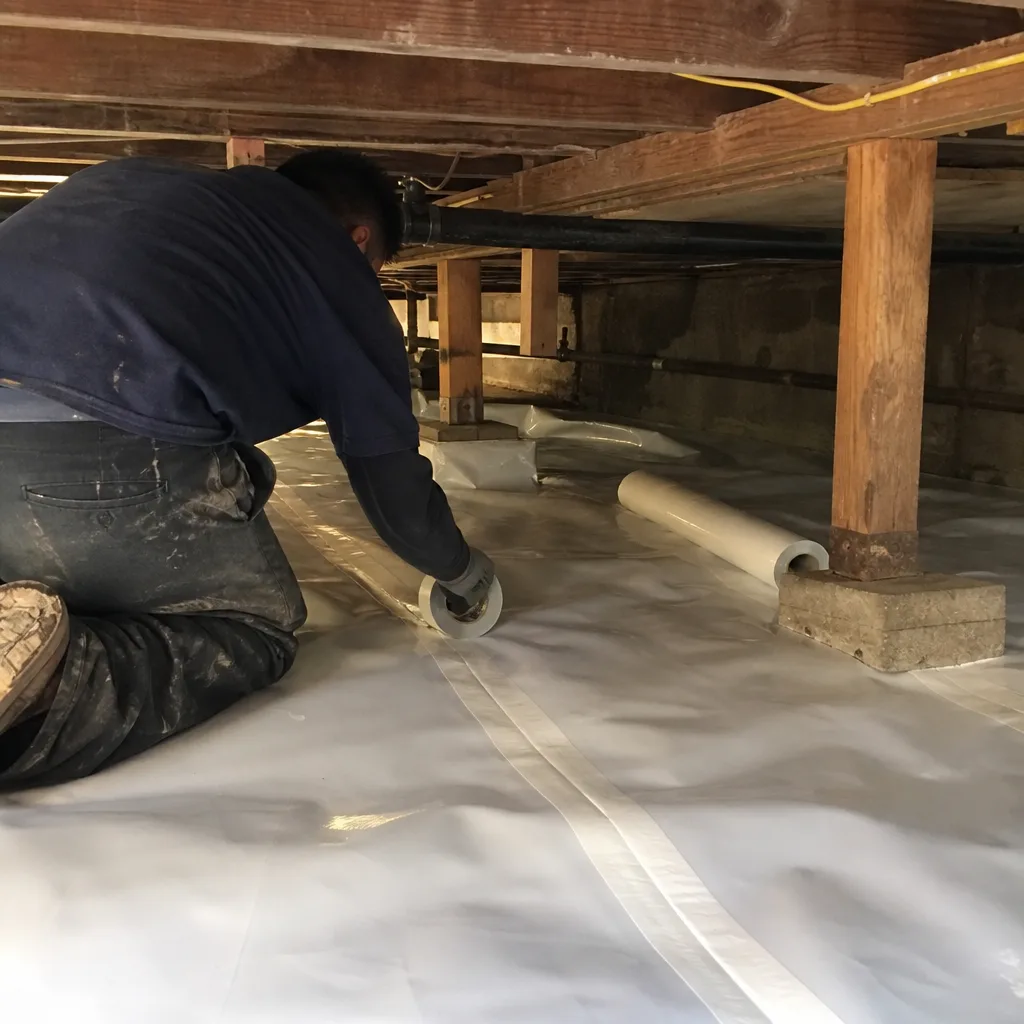
- Crawl space encapsulation with vapor barrier installation. This crosses into moisture management and structural protection, requiring permit oversight in Alameda County.
What typically does not require a permit: removing and replacing water-damaged batt insulation with identical R-value material in the same location, provided the area is under 200 square feet and no structural or ventilation changes occur. Even here, we recommend documenting the work with photos and retaining material receipts. In our experience, the $200-$400 permit fee is trivial compared to the cost of proving compliance later.
One Union City-specific note: homes in the Decoto and Alvarado neighborhoods, many built between 1950 and 1975, often have original insulation that contains vermiculite or other asbestos-containing material. If testing confirms this, removal triggers hazardous material abatement permits through Alameda County’s environmental health division, separate from building permits. We’ve handled this scenario in dozens of homes near Union City Boulevard and the older sections off Whipple Road.
The permit application itself requires a scope description, often a simple floor plan showing insulation locations, and specification of the proposed R-value. For Title 24 compliance, you’ll also need to indicate whether you’re pursuing prescriptive or performance compliance.
Title 24 Explained: Prescriptive vs. Performance Compliance
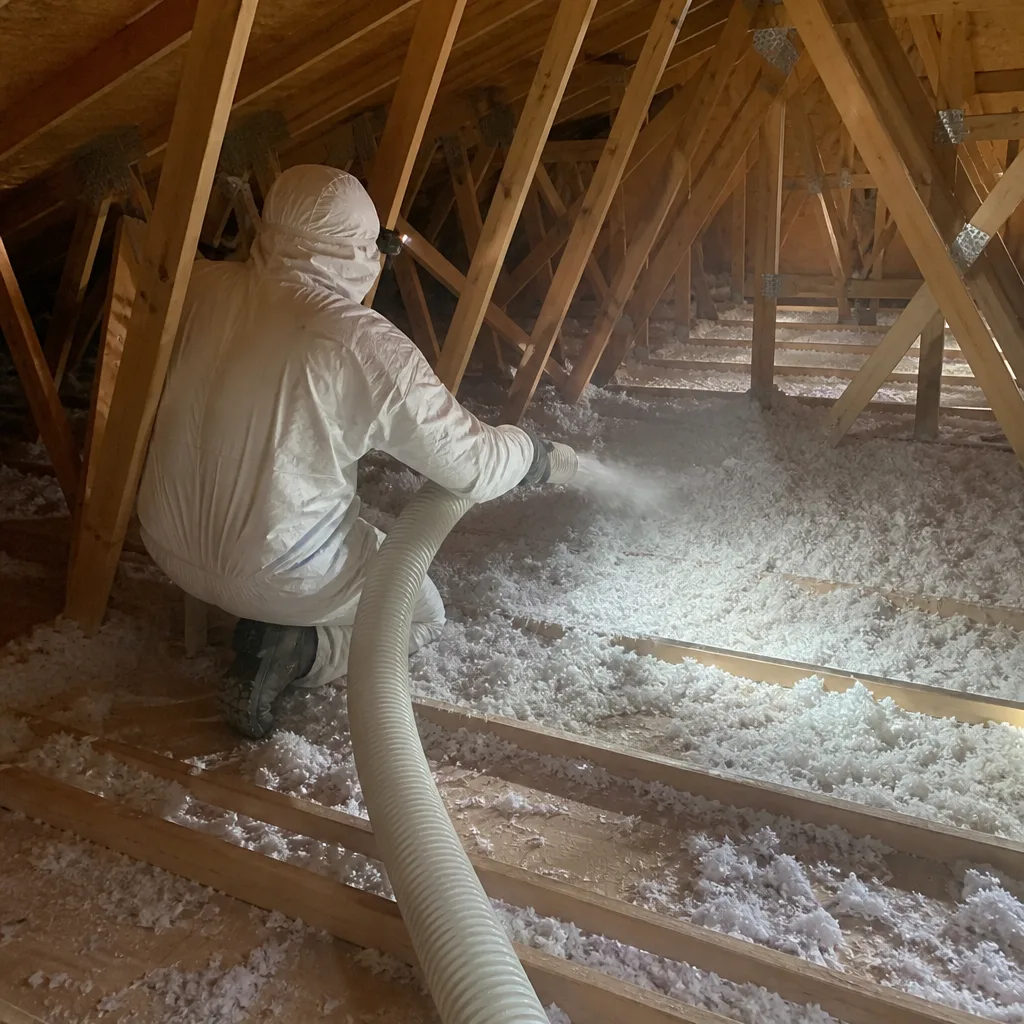
Title 24, Part 6 of the California Code of Regulations, is widely misunderstood as an R-value lookup table. It’s not. It’s a whole-building energy budget system, and R-value is only one input into that budget.
Here’s the distinction that matters for your project:
Prescriptive compliance means meeting every individual requirement in the code’s tables: minimum R-values for each envelope component, maximum U-factors for windows, specific duct insulation levels, and so on. For attic insulation in Climate Zone 3, where Union City sits, the prescriptive table currently requires R-38 for new wood-framed construction and R-30 for re-insulation of existing attics where space constraints exist. Our Attic Insulation Maintenance Checklist for Union City Homeowners covers how to verify your insulation stays at rated performance. This path is simpler but less flexible. If your roof structure can’t accommodate R-38 batts without compressing them (which reduces effective R-value), you’re stuck unless you pursue performance compliance.
Performance compliance means modeling the entire building’s energy use with approved software (typically CBECC-Res or EnergyPro) and demonstrating that the proposed design meets or beats the energy budget of a reference home that meets all prescriptive requirements. This path allows trade-offs. You might install R-30 in the attic but compensate with higher-performing windows, improved duct sealing, or enhanced wall insulation. The model produces a Certificate of Compliance, or CF-1R, that travels with the permit record.
For existing homes in Union City, performance compliance is often the practical path. Many homes in the newer developments near Station District and the Intermodal Corridor have complex rooflines, conditioned kneewalls, or cathedral ceilings where prescriptive R-values are physically impossible to achieve. These conditions make Seasonal Insulation Care for Union City: Year-Round Homeowner’s Guide especially relevant for protecting your investment. Performance modeling lets us optimize the envelope as a system rather than forcing arbitrary material thicknesses.
The critical point: whichever path you choose, the documentation must be submitted with your permit application and verified by inspection. A job done without this documentation has no compliance pathway. When we perform attic insulation in Union City, we specify the compliance path in our written scope before any work starts, under Haven Standard Clause 1. The homeowner knows exactly what documentation they’ll receive before the crew arrives.
Climate Zone 3, which covers Union City and the broader Bay Area, has moderate heating and cooling loads compared to California’s inland valleys or desert regions. This actually makes performance compliance more attractive here, because modest improvements in air sealing, which the prescriptive path doesn’t explicitly reward, can offset slightly lower R-values in the model. Our blower-door test, a pressurization reading that shows in one number how much air your building envelope is losing, provides the air-leakage data that feeds into performance compliance calculations.
What Does a HERS Rater Do, and When Do You Need One?
HERS stands for Home Energy Rating System. A HERS rater is a third-party certified professional who verifies that energy features of a home meet Title 24 requirements through field inspection and testing, independent of the contractor who performed the work.
Not every insulation job requires HERS verification, but many do, and the requirement has expanded significantly in recent code cycles. Here’s when you’ll encounter it:
- New construction and additions. All new residential construction in California requires HERS verification of insulation installation quality, air sealing, and duct leakage.
- Alterations exceeding specific cost or scope thresholds. In Alameda County, if your insulation project is part of a larger alteration with a permit valuation over $50,000, or if it triggers mandatory energy compliance features like high-efficacy lighting or cool roof requirements, HERS verification is typically required.
- Performance compliance path. If you’re using performance modeling rather than prescriptive tables, a HERS rater must verify that the as-built conditions match the modeled assumptions. This includes confirming insulation depths, checking for gaps and compression, and testing air leakage if the model relied on specific infiltration rates.
- PG&E Energy Upgrade California rebates. Most rebate programs require HERS verification as a condition of incentive payment, separate from code compliance.
What a HERS rater actually does on site: they measure insulation depth in multiple locations with a probe, photograph installation quality, verify that required labels and markings are visible, and perform blower-door testing if air sealing is part of the verified scope. For spray foam insulation, they check that the foam thickness matches the specification and that ignition barriers are installed where required. The rater uploads results to the California Home Energy Rating System database, producing a registry number that ties to your address.
In Union City, we’ve worked with HERS raters on hundreds of projects since 2016. The process adds roughly $300-$600 to project costs and typically requires scheduling 24-48 hours after insulation installation, before the attic is closed up. The rater’s findings are delivered as a HERS verification report, which becomes part of your permit record and your personal documentation package.
One practical note: HERS raters cannot verify their own company’s work. If your insulation contractor offers “in-house HERS verification,” that’s a red flag. The rater must be independent. At Topside Attic Insulation Union City, we coordinate scheduling with certified third-party raters we’ve worked with for years, but they report their findings directly to the homeowner and the building department, not to us.
California Energy Commission Documentation Requirements
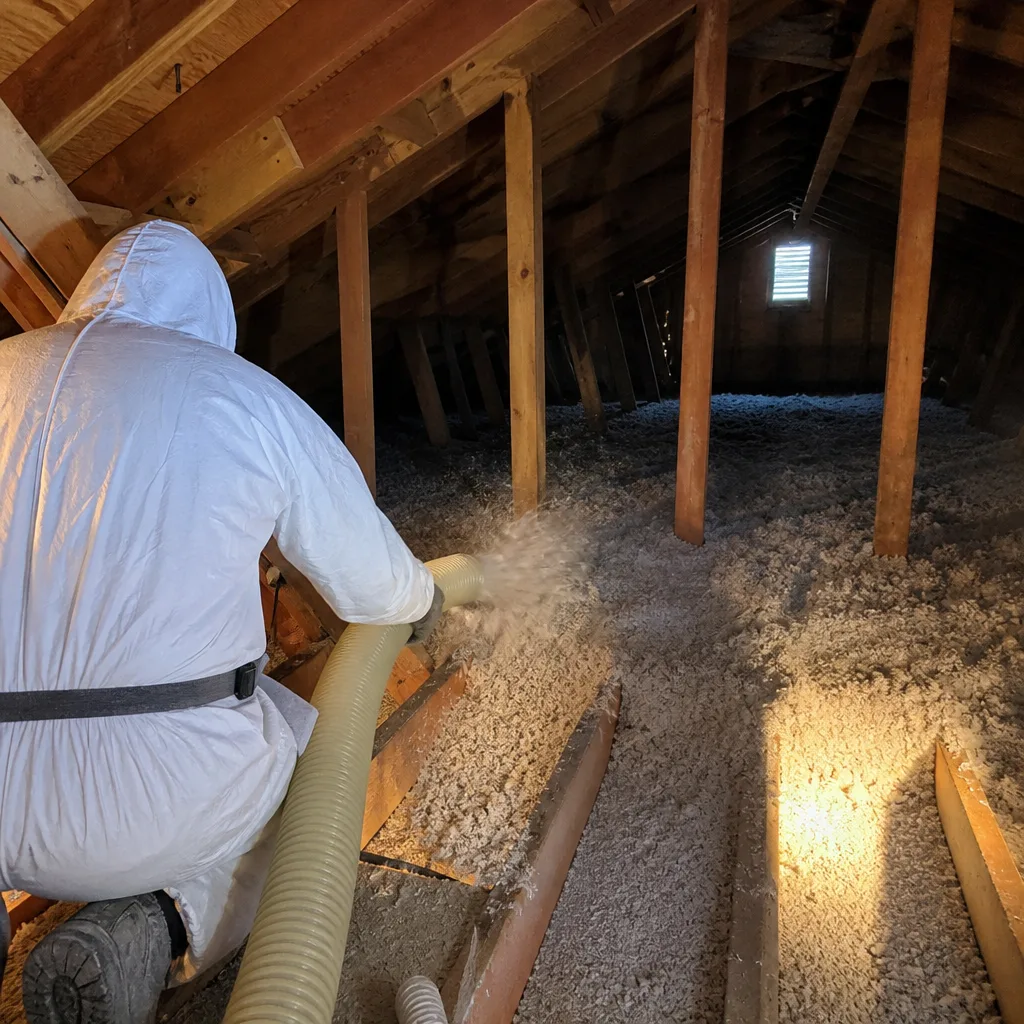
The California Energy Commission maintains separate documentation tracks for new construction and existing-home improvements, and the distinction matters for your record-keeping.
New construction documentation: Every new home requires a Certificate of Compliance (CF-1R), Certificate of Installation (CF-2R), and Certificate of Verification (CF-3R or CF-4R, depending on features). The CF-1R is the energy model output showing compliance with Title 24. The CF-2R is completed by the contractor, documenting what was actually installed. The CF-3R/CF-4R is completed by the HERS rater, confirming field verification. These documents are filed with the building department and retained by the CEC. Without them, the certificate of occupancy cannot issue.
Existing-home improvement documentation: This is where homeowners often get lost. For alterations and additions, the CEC requires a Certificate of Compliance specific to the altered features, typically a CF-1R for the scope of work. The building department in Union City will not finalize an insulation permit without this documentation. However, many homeowners complete insulation work without realizing their project triggered this requirement, particularly when the work was bundled with other improvements under a single permit.
Here’s what we deliver on every applicable job at Topside Attic Insulation Union City, documented in our written scope before work begins:
- The CF-1R energy compliance documentation, prepared by our energy consultant or your HERS rater
- Completed CF-2R installation certificates, signed by our lead technician
- HERS verification registry numbers, when HERS is required
- Before-and-after blower-door readings, showing the actual air-leakage reduction achieved
- A Documented Photo Record of installation quality, material labels, and depth measurements
- The final inspection approval from Union City’s building department
Why this matters beyond the immediate project: California law requires sellers to disclose known permit violations on the Transfer Disclosure Statement. An unpermitted insulation job, even years later, is a known violation if the homeowner was aware no permit was pulled. The documentation package we provide becomes your proof of compliance, transferable to future owners.
We’ve seen this issue surface in Union City’s competitive real estate market, particularly in the Alvarado Estates area and near the BART corridor where homes turn over frequently. A buyer’s inspector spots new insulation with no permit record, the disclosure gets complicated, and the deal stalls or reprices. The permit documentation, properly filed, prevents this entirely.
The Union City Permit Process Step by Step
Union City’s Community and Economic Development Department handles building permits through the Planning Division, located at 34009 Alvarado-Niles Road. The process for insulation work follows this sequence:
- Determine permit necessity. Call Union City’s building counter at (650) 381-1512 or use their online permit portal to confirm whether your specific scope triggers a permit. Have your address, approximate attic or wall square footage, and insulation type ready.
- Prepare documentation. For prescriptive compliance, you’ll need insulation product specifications showing R-value and flame-spread rating. For performance compliance, you’ll need the CF-1R energy model. A simple site plan showing insulation locations is usually sufficient; full architectural drawings are rarely required for re-insulation.
- Submit application. Union City accepts online submission through their Accela Citizen Access portal or in-person drop-off. Permit fees for insulation-only work typically run $150-$400 depending on project valuation. Plan review takes 5-10 business days for straightforward residential insulation permits.
- Receive permit and post. Once issued, the permit must be posted on site before work begins. Union City requires the permit card visible from the street for exterior work or at the main entry for interior-only projects.
- Schedule inspections. Insulation work typically requires two inspections: a rough inspection after air sealing and insulation installation but before drywall or attic flooring covers the work, and a final inspection after any required HERS verification is complete. In Union City, rough inspections must be scheduled 24 hours in advance through the online system or by phone.
- Obtain final approval. The building inspector signs off the permit card, and the status updates in Union City’s online system. This is your proof of compliance; screenshot or print the final status for your records.
Common delays we see in Union City: inspectors flagging compressed insulation around attic hatches or light fixtures, missing baffles at soffit vents, or spray foam that hasn’t achieved full cure before inspection. Our crews photograph every detail before calling for inspection, and we schedule HERS raters to arrive after our own quality check but before the city inspector.
One neighborhood-specific note: homes in the Hillcrest area of Union City, built on the slopes above Alvarado-Niles Road, often have unconventional attic access through closet ceilings or garage storage lofts. Union City’s inspectors are familiar with these configurations, but the access route must be safe and clear. We’ve learned to specify temporary access improvements in our written scope for these properties, documented in the photo record.
How Permits Affect PG&E Rebate Eligibility
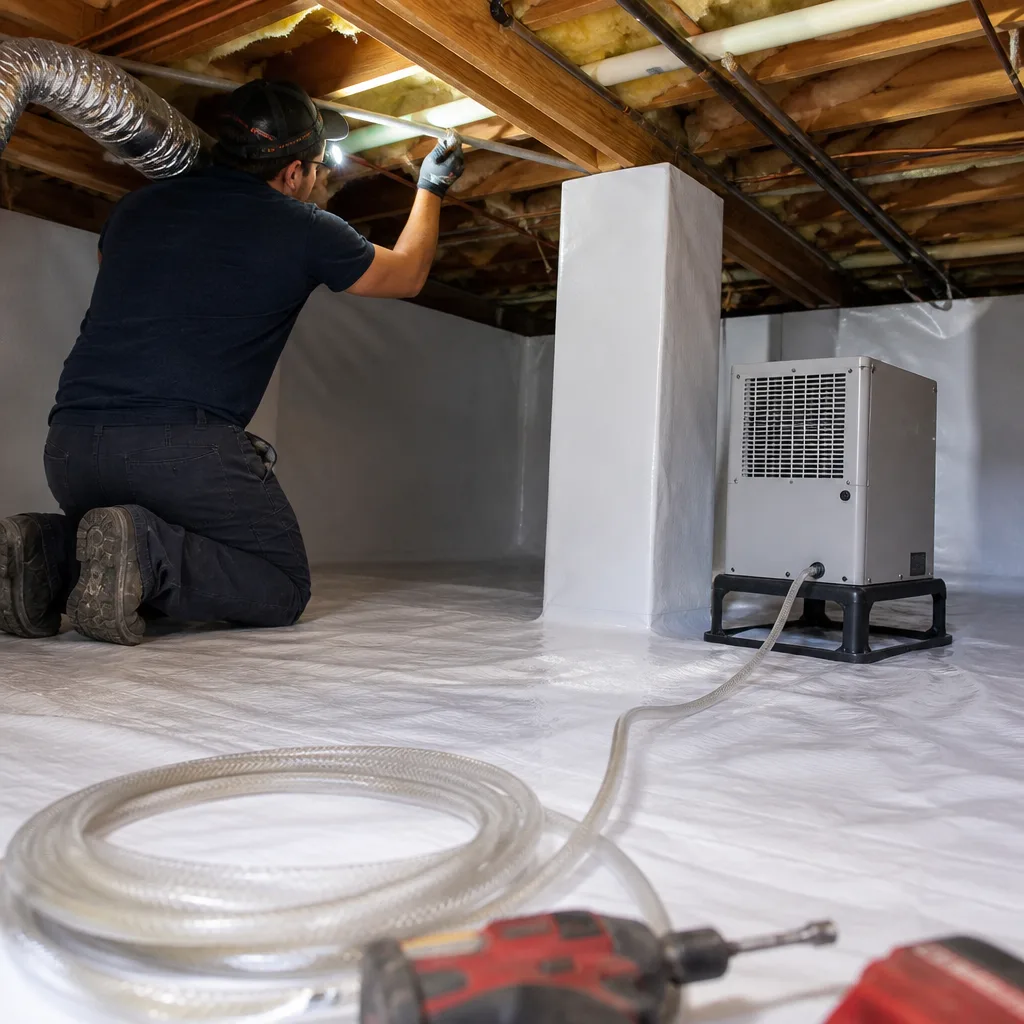
PG&E’s Energy Upgrade California program and related insulation rebates have specific requirements that intersect with permitting in ways that surprise many Union City homeowners.
The basic rule: rebates for insulation upgrades require proof that the work was performed to code, and in most cases, that means permit documentation. PG&E does not accept contractor invoices or homeowner self-certification as sufficient evidence. The rebate application requires:
- A copy of the building permit showing the insulation scope
- The final inspection approval or certificate of completion
- HERS verification documentation, if the rebate program requires it
- Contractor documentation including license number and installation details
For Union City residents specifically, PG&E’s Bay Area territory includes additional considerations. The Topside Attic Insulation Union City home service area falls within PG&E’s climate zone for moderate coastal influence, which affects the rebate calculations. Homes in Union City typically qualify for attic insulation rebates ranging from $300 to $1,200 depending on starting conditions, final R-value achieved, and whether air sealing is included. The rebate is higher for performance-path projects that demonstrate whole-house improvement through modeling.
Here’s where permits become critical: PG&E reserves the right to audit rebate applications, and unpermitted work is automatically disqualified. We’ve had homeowners call us after being denied a rebate on DIY insulation they installed without a permit. The rebate is gone, and they’re now facing the permit process retroactively, which often requires removing and reinstalling insulation to allow inspection.
The timing matters too. PG&E rebate applications must be submitted within 90 days of project completion, but the permit final inspection must already be approved. If Union City’s building department is backlogged, or if a failed inspection requires rework, that 90-day window can close. We build permit scheduling into our project timeline and submit rebate paperwork for eligible clients as part of our standard closeout process.
For crawl space encapsulation in Union City, PG&E offers separate moisture-management rebates through some program years, but these are more variable and often require pre-approval. The permit requirement remains consistent.
The Resale Risk: Permits and Disclosure Law
This is the scenario that keeps real estate attorneys busy. California Civil Code Section 1102 requires sellers to disclose “material facts” affecting the value or desirability of property. The courts have consistently held that known building code violations, including unpermitted work, are material facts.
For insulation specifically, the risk plays out like this: a Union City homeowner adds blown-in cellulose to their attic in 2019, doesn’t pull a permit because they didn’t know it was required. In 2025, they list the home. The buyer’s inspector notes the insulation, checks city records, finds no permit. The seller now faces a disclosure dilemma. If they disclose the unpermitted work, the buyer may demand a price reduction, escrow for permit remediation, or walk. If they don’t disclose and the buyer discovers it later, they face potential fraud claims.
We’ve been called into this exact situation multiple times in Union City, typically after the inspection contingency period has already created stress. The remediation path is always more expensive than doing it right initially: permit application, often requiring exposed inspection (removing attic flooring or insulation sections), possible HERS verification if the original work can’t be visually confirmed, and then reinstallation. The total cost often exceeds $2,000, against the $200-$400 the original permit would have cost.
The Certificate of Compliance is equally important. Even permitted work without proper CEC documentation can create title issues in some transactions, particularly when buyers are using FHA or VA financing with stricter property condition requirements. The documentation package we provide, including the CF-1R, CF-2R, and HERS verification where applicable, closes this loop completely.
In Union City’s market, where median home prices exceed $1 million and buyers are sophisticated, these issues get scrutinized. The Station District and surrounding transit-oriented developments attract particularly detail-oriented buyers who’ve been counseled to verify permit history. A clean permit and compliance record is a genuine market advantage.
Common Mistakes to Avoid
- Assuming “like-for-like” replacement never needs a permit. In Union City, if your replacement insulation exceeds the original R-value or covers more area than the damaged section, you’ve likely crossed into alteration territory requiring review.
- Letting a contractor tell you they’ll “handle permits later.” We’ve cleaned up after this repeatedly. The permit must be in hand before work begins; retroactive permits in Alameda County require justification that often gets denied, forcing full removal and reinstallation.
- Ignoring the HERS requirement for performance path projects. Homeowners sometimes obtain the CF-1R energy model but never schedule HERS verification, leaving the compliance documentation incomplete and the permit unable to finalize.
- Compressing insulation to fit without adjusting the compliance calculation. Compressed batts lose R-value; if your permit specified R-38 at full loft and you’ve compressed it to R-30 equivalent, you fail inspection and may need to redo the work.
- Blocking soffit vents with new insulation. This is the most common inspection failure we see in Union City’s older neighborhoods. Baffles must maintain the ventilation channel; without them, you create moisture problems and code violations simultaneously.
- Assuming PG&E rebates are automatic with any insulation job. Rebate programs have specific permit, contractor, and documentation requirements. We’ve seen homeowners forfeit $800+ in rebates over missing paperwork.
- Discarding documentation after final inspection. Keep your permit records, CF-1R, and HERS verification for the life of your ownership plus seven years. These documents transfer value at sale and protect against future disputes.
When to Call a Professional
Call a professional when your project involves spray foam, performance compliance modeling, HERS coordination, or any work in a home you’re likely to sell within ten years. The documentation burden and technical requirements exceed what most homeowners can manage alongside a full-time job. Topside Attic Insulation Union City offers free estimates in Union City - call (650) 381-1512 - and you can browse more guides & resources on our blog. We’ll assess your specific situation, confirm whether your scope triggers permit requirements, and provide a written price before any work starts, with full documentation specified in the scope. Every applicable job includes before-and-after blower-door readings and a Documented Photo Record.
Frequently Asked Questions
Permit fees for attic insulation in Union City typically range from $150 to $400 depending on project valuation and scope complexity. Performance compliance projects with HERS verification may incur additional fees for energy model review. Call Union City’s building counter at (650) 381-1512 for your specific project, or call us at (650) 381-1512 and we’ll confirm the permit pathway as part of your free estimate.
No, if you’re replacing damaged batts with identical R-value material in the same location and the total area is under 200 square feet, HERS verification is typically not required in Union City. However, if your project uses the performance compliance path, exceeds alteration thresholds, or is part of a PG&E rebate application, HERS verification becomes mandatory regardless of simplicity.
Yes, California allows homeowners to act as their own contractor on their primary residence, including pulling permits and doing the work. You’ll still need to meet all Title 24 requirements, pass inspection, and obtain proper documentation. In our experience, DIY permit pulls for insulation succeed when the homeowner has time to learn the energy compliance software or hires a consultant for the CF-1R; they fail most often on documentation completeness, not installation quality.
You’re required to disclose known permit violations on California’s Transfer Disclosure Statement. The buyer may negotiate a price reduction, require you to obtain a retroactive permit, or walk from the deal. If you don’t disclose and the buyer later discovers the violation, you face potential legal liability. The fix is always more expensive than the original permit would have been.
Yes, spray foam insulation of any type and scope requires a building permit in California due to fire safety, ignition barrier, and ventilation requirements. Closed-cell spray foam has additional requirements for thermal barrier protection in habitable spaces. For spray foam insulation in Union City, we handle permit application, HERS coordination, and inspection scheduling as part of our standard scope.
Prescriptive compliance works when you can meet every table requirement in Title 24 without modification. Performance compliance becomes necessary when your home’s design constraints, such as cathedral ceilings, limited attic depth, or complex geometry, prevent meeting prescriptive R-values everywhere. We evaluate this during our initial assessment and specify the compliance path in our written price before any work starts.
PG&E rebates are based on performance outcomes and installation quality, not brand selection. We source materials from Owens Corning, Johns Manville, Knauf, and other manufacturers including GreenFiber, and we specify products that meet rebate program requirements. The rebate depends on your starting conditions, final R-value, air sealing improvement, and complete documentation including permits and HERS verification where required.
The Bottom Line
California’s insulation permitting system is not a bureaucratic obstacle. It’s a documentation framework that protects your home’s value, ensures your energy improvements actually perform, and creates transferable proof of compliance for future owners. In Union City, the specific thresholds are manageable, the costs are modest, and the risks of skipping permits are substantial and growing as buyer scrutiny intensifies. Whether you’re adding batt insulation to a 1960s ranch in Decoto or spray-foaming a new addition near the BART station, the right permit pathway, proper Title 24 compliance documentation, and HERS verification where required are non-negotiable elements of a job done right. Get the permit, get the documentation, and keep both for the life of your ownership.
Written by Wes Okafor, Owner at Topside Attic Insulation Union City, serving Union City since 2016.