
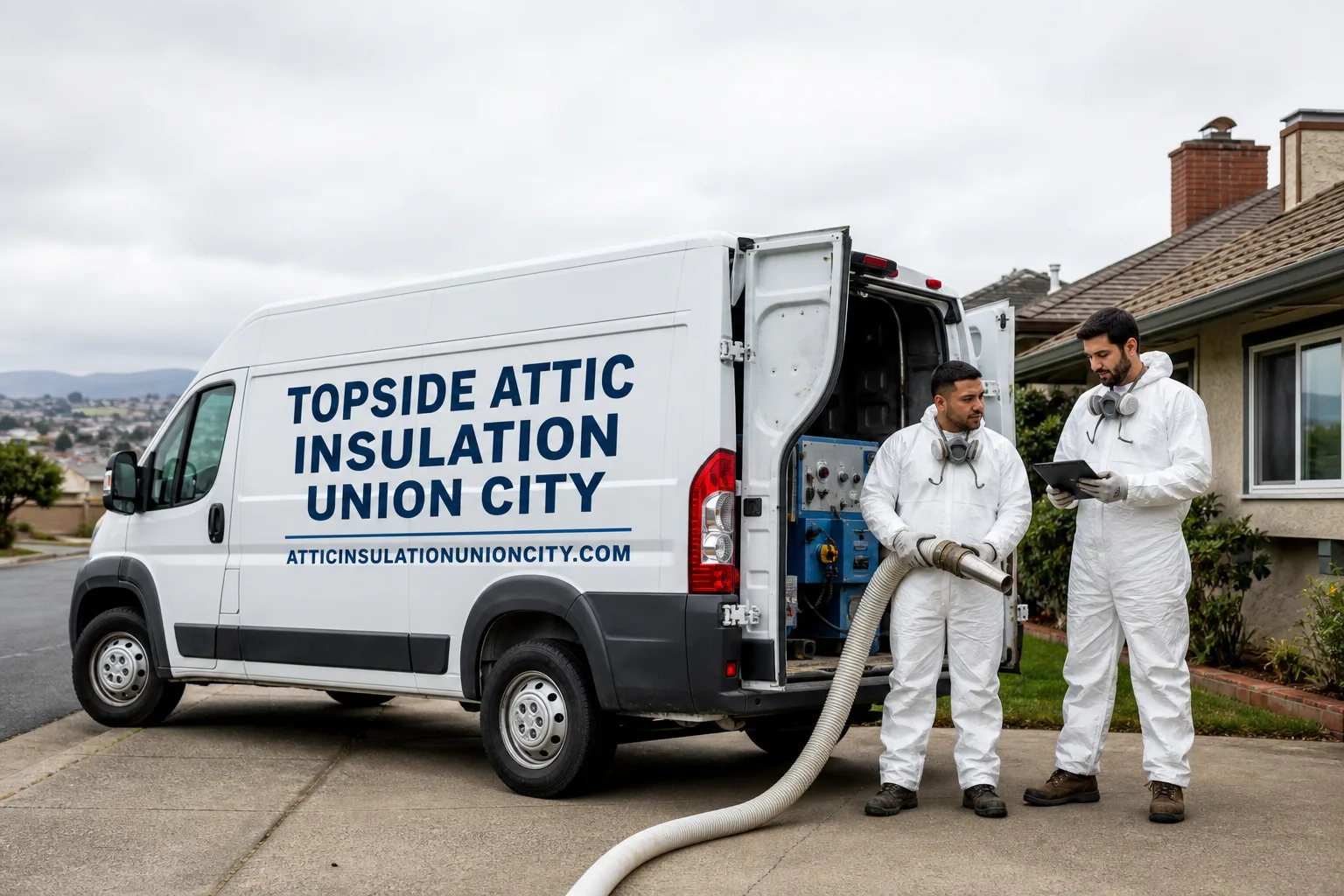
How Much Does Crawl Space Encapsulation & Vapor Barrier Cost in Union City?
Crawl space encapsulation in Union City, CA typically runs between $3,800 and $9,500 for a standard single-family home, with most jobs landing around $5,500 to $7,000 when a full encapsulation package – heavy-mil liner, sealed vents, drainage matting, and a dehumidifier – is included. A basic Crawl Space Vapor Barrier installation without full encapsulation starts closer to $1,200 to $2,800 depending on square footage and existing conditions. At Envelope Insulation Co., every job begins with a written price before any work starts – that’s Haven Standard Clause 1, and it applies to every crawl space job we do in Union City.
Crawl Space Encapsulation & Vapor Barrier Cost Breakdown (2026)
The table below reflects real project ranges we see in the Union City market. Because Union City sits at the edge of the South Bay fog belt – with groundwater influence from the Don Edwards Wildlife Refuge nearby and soil moisture levels that climb noticeably between November and April – crawl spaces here tend to need more than the bare minimum. The numbers below account for that reality.
| Scope of Work | Typical Cost Range (Union City, 2026) | Notes |
|---|---|---|
| Basic vapor barrier only (6-mil poly, existing vented crawl) | $1,200 - $2,200 | Ground cover only, no vent sealing, no drainage layer |
| Upgraded vapor barrier (12-mil or 20-mil liner) | $2,000 - $3,500 | Heavier liner, taped seams, partial wall coverage |
| Partial encapsulation (ground + walls, vents sealed) | $3,500 - $5,500 | Converts vented crawl to conditioned space; no dehumidifier |
| Full encapsulation (liner, walls, vent sealing, drainage mat) | $5,000 - $7,500 | Most common scope for Union City homes with moisture issues |
| Full encapsulation + dehumidifier (installed and wired) | $6,500 - $9,500 | Recommended when RH readings exceed 65% consistently |
| Crawl space insulation removal (wet or moldy fiberglass) | $800 - $2,200 | Often a prerequisite before liner install; quoted separately |
| Mold remediation (light surface treatment, pre-encapsulation) | $500 - $1,800 | Structural mold beyond surface treatment requires a specialist |
| Crawl space access door replacement or new hatch | $200 - $600 | Often overlooked; a bad door undoes a good encapsulation |
What drives that wide range? Square footage is the obvious factor, but it’s rarely the whole story. In Union City, many homes in the Alvarado and Decoto neighborhoods were built on pier-and-beam foundations in the 1950s and 1960s with shallow clearances – sometimes under 18 inches. A technician working in a 14-inch crawl space takes longer and carries more physical risk than one in a standard 24-inch space, and that labor cost is real. Homes near the Alvarado-Niles Road corridor also tend to show higher baseline moisture readings than properties at higher elevation near Union Landing, which pushes jobs toward heavier liners and active dehumidification.
The liner thickness matters more than most homeowners realize. A 6-mil poly sheet costs less but punctures easily and won’t survive a technician walking through to service HVAC equipment. We typically specify 12-mil to 20-mil reinforced liner for Union City homes – the added cost is small relative to the liner’s expected service life, and it’s the difference between a 5-year fix and a 20-year fix. Under the Haven Standard, the liner spec is written into your scope before anyone touches a shovel.
What Affects Crawl Space Encapsulation & Vapor Barrier Pricing in Union City
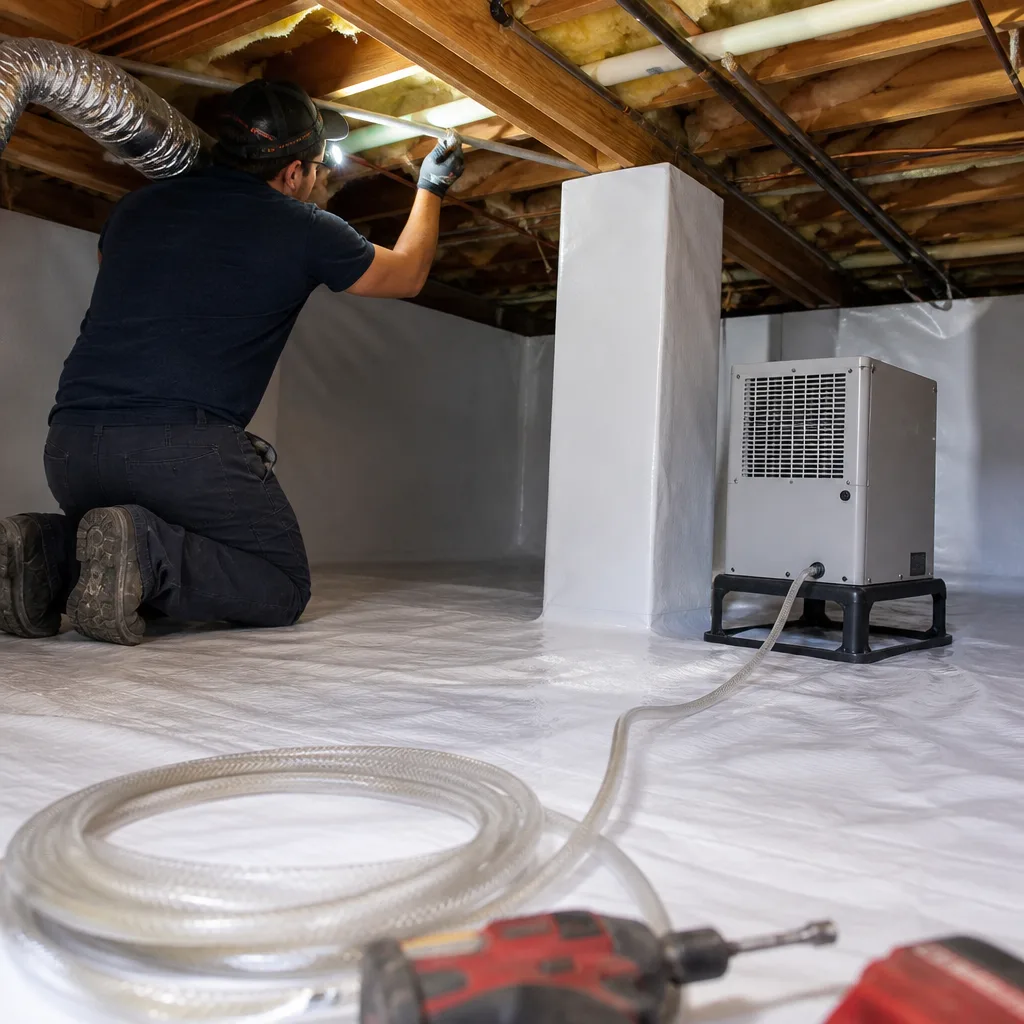
- Square footage and crawl space height: Most Union City single-family homes have crawl spaces between 800 and 1,800 square feet. Cost scales roughly with square footage, but clearance height is a labor multiplier – anything under 20 inches adds time. Old Ranch Tract homes off Smith Street regularly come in under that threshold.
- Current moisture and mold conditions: If a technician finds active standing water, saturated fiberglass batts sagging from the subfloor (what the trade calls “bellied insulation”), or visible mold colonies on the joists, those conditions need to be addressed before any liner goes down. Skipping this step means encapsulating a problem rather than solving it.
- Vented versus unvented design: Older Union City homes with foundation vents require a decision: seal those vents and create a conditioned crawl space, or leave them open and rely on ventilation. Sealing is almost always the better answer in the Bay Area’s winter moisture cycle, but it adds cost versus a simple ground-cover install.
- Liner thickness and product specification: 6-mil poly is the entry-level option; 12-mil reinforced and 20-mil antimicrobial liners cost more upfront but perform better over the long term. The spec is driven by the crawl space’s use frequency, moisture levels, and your budget – and it’s spelled out in writing before work starts.
- Dehumidifier requirement: When ambient relative humidity in the crawl space consistently reads above 60 to 65 percent – common in Union City’s October-through-March rainy window – a crawl space dehumidifier (typically a 70-pint or 90-pint commercial-grade unit) is needed to keep the encapsulated space from turning into a sealed humidity chamber. Unit cost plus electrical rough-in runs $1,200 to $2,500 depending on access.
- Insulation removal and disposal: Many Union City homes have fiberglass batt insulation stapled between floor joists that has absorbed moisture over years. Wet fiberglass loses all R-value, holds mold spores, and must come out before a liner is installed. Removal, bagging, and disposal is a separate line item – typically $800 to $2,200 – and it’s quoted upfront, not discovered mid-job.
- Permit requirements in Alameda County: Alameda County Building Department generally requires a permit for any work that converts a vented crawl space to an unvented (conditioned) space, which includes sealing foundation vents. The permit fee is usually $150 to $350 and the inspection is straightforward, but it adds time to the schedule. We pull permits where required – this is not optional, and any contractor who tells you it is should be a red flag.
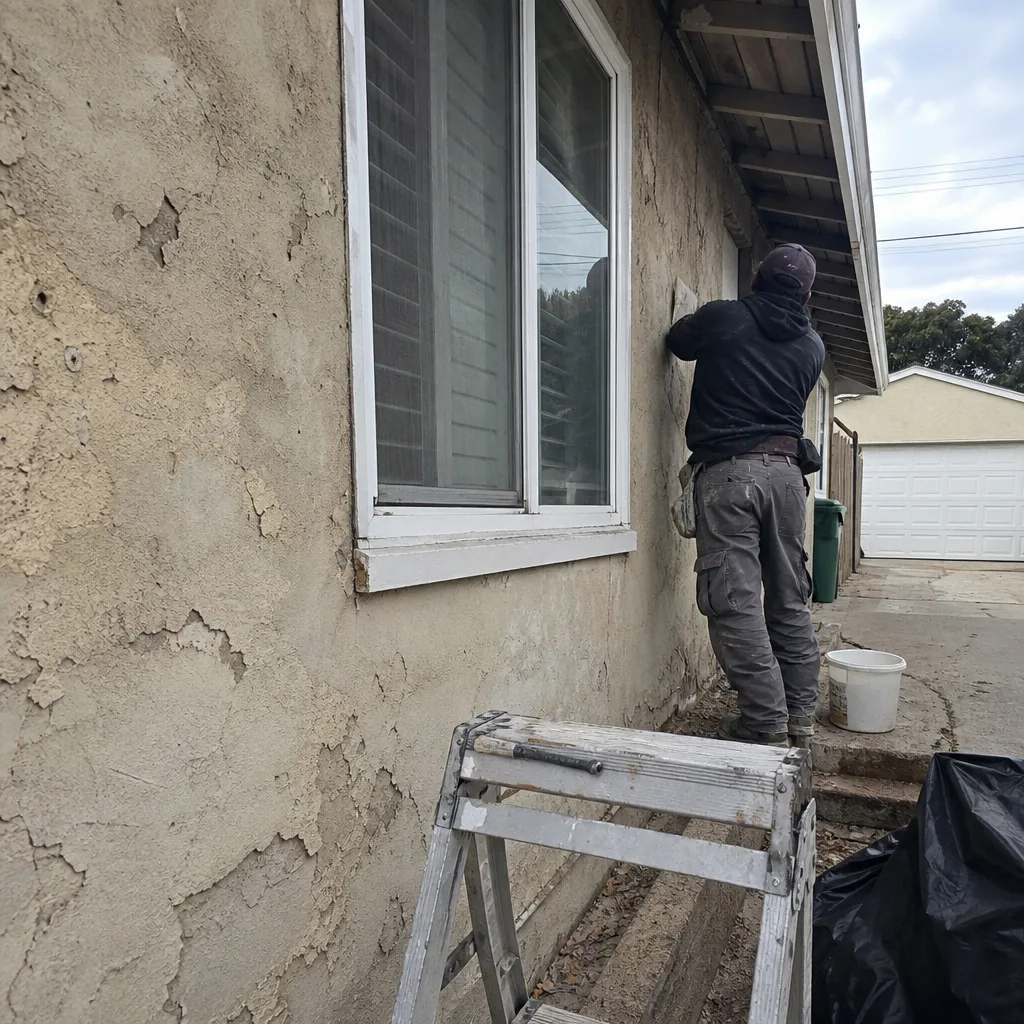 Before
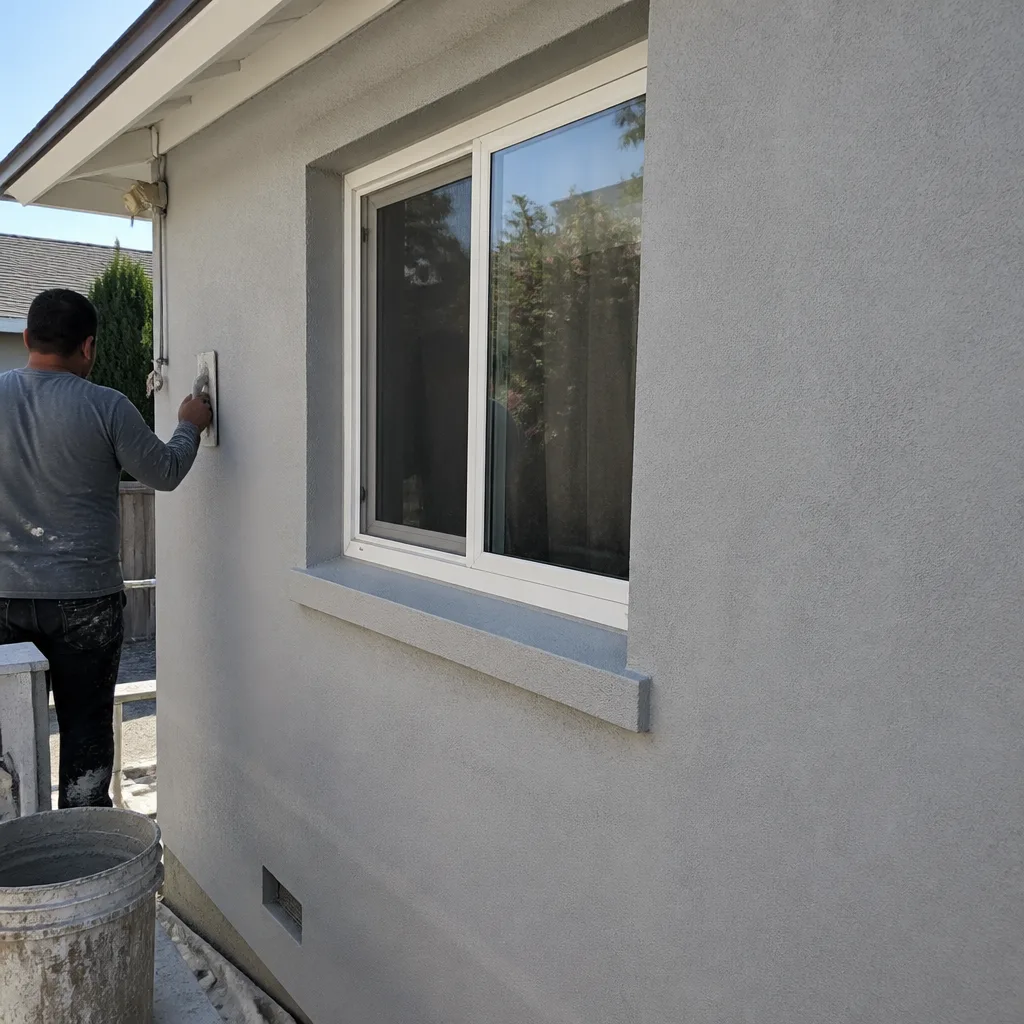 After
AfterHow to Save on Crawl Space Encapsulation & Vapor Barrier in Union City
The clearest way to reduce total project cost is to address the crawl space before conditions get worse, not after. Every year a vented, unprotected crawl space sits open to Union City’s winter moisture cycle, the fiberglass batts above absorb more humidity, the wood joists accumulate more mold spore load, and the eventual remediation bill grows. A $2,200 vapor barrier installed today is almost always cheaper than the $5,500 full encapsulation plus $1,800 mold treatment the same space will need in four years.
A few specific steps that help on the cost side:
- Get the scope right the first time. Underspecifying – choosing a thin liner or skipping vent sealing to save money – typically means doing the job twice. A written scope with a named liner spec and named vent treatment eliminates that risk.
- Bundle with related work. If you’re already planning to address subfloor insulation or remove old fiberglass batts, scheduling that work at the same time as encapsulation saves a mobilization charge. On our Crawl Space Encapsulation & Vapor Barrier in Union City page, you can see how we typically sequence these scopes.
- Use the Free Second Opinion. Envelope Insulation Co. will read any competing written estimate with you – line by line – at no charge. This isn’t a sales tactic; it’s a service. Estimates that list “encapsulation” without specifying liner mil thickness, seam treatment, or vent sealing detail are hard to compare on price alone. We’ll help you decode what you’re actually being quoted.
- Check for utility rebates. PG&E and Alameda County occasionally offer rebates for energy-related crawl space work, particularly when it’s paired with air sealing or insulation upgrades. Eligibility shifts year to year, but it’s worth checking before you schedule – we can tell you what programs are active when we do your estimate.
- Schedule in late spring or summer. Demand for crawl space work in Union City peaks in late fall when homeowners discover moisture problems after the first rains. Late April through August tends to be easier to schedule, and some contractors offer better availability-based pricing in that window.
For a written price on your specific crawl space, call Envelope Insulation Co. at (650) 381-1512. The estimate is free, and you’ll receive a flat price with a written scope before anyone schedules a start date.
Union City Crawl Space Conditions: What We Actually Find
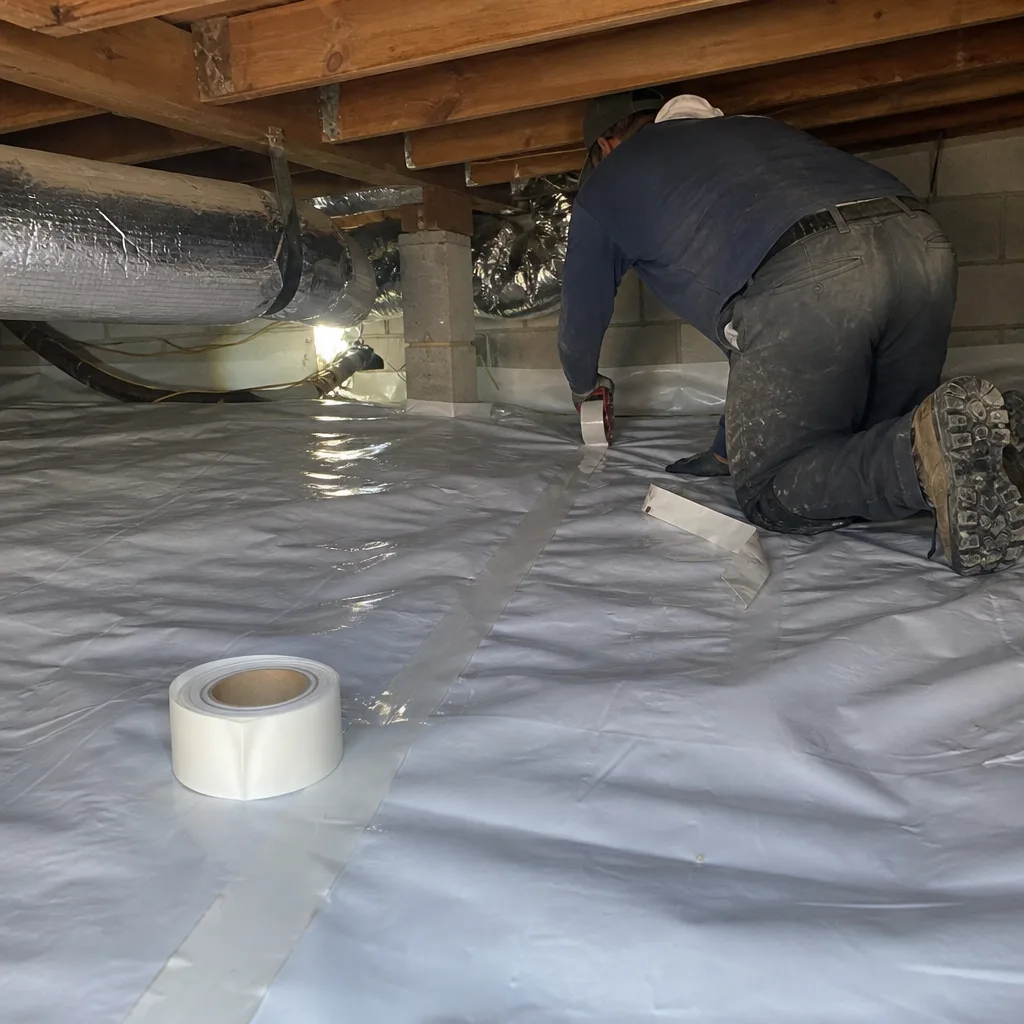
It’s worth being specific about what crawl spaces in Union City actually look like, because this city has some real geographic quirks that affect project scoping.
The flat western portion of Union City – roughly the grid of streets between Alvarado-Niles Road and the bay – sits on fill and alluvial soil with a relatively high water table. Homes in this zone, particularly those built before 1980, regularly show crawl space humidity readings in the 70 to 85 percent range during winter months, even without visible standing water. That’s above the threshold where wood rot and mold activity accelerate. The fix is almost always full encapsulation with active dehumidification, not a basic ground cover.
The eastern neighborhoods – the hillside areas near the Union City BART station and toward Fremont’s border – have different soil drainage characteristics and typically see lower baseline moisture. Those crawl spaces often respond well to a good 12-mil liner and sealed vents without needing an active dehumidifier, which brings the job cost down meaningfully.
In Decoto, we regularly see spring failures of old fiberglass batt insulation – “bellied” batts that have detached from the subfloor and now hang uselessly between joists, holding moisture against the wood. Getting under those homes is sometimes challenging because of low clearance, but the insulation removal is a necessary first step before any liner goes in. Skipping it and encapsulating over wet, moldy fiberglass is one of the more common mistakes we see from projects done by contractors who weren’t specific about scope.
Union City also has a significant number of post-World War II tract homes with wood foundation sill plates that sit close to grade. Those sill plates are the most moisture-vulnerable element in the building envelope, and protecting them is one of the clearest long-term benefits of proper encapsulation. Under Haven Standard documentation practices, we photograph every sill plate condition on entry and on completion – so you have a before-and-after record of what the crew found and what it left behind.
Crawl Space Encapsulation vs. Vapor Barrier: What’s the Difference, and Which Do You Need?
These terms are often used interchangeably by contractors, but they describe meaningfully different scopes of work – and in Union City’s climate, the difference matters for both performance and cost.
A vapor barrier is a ground cover – typically a poly film laid across the Crawl Space Encapsulation & Vapor Barrier services floor to reduce moisture evaporation from the soil. It’s the minimum intervention. It does not seal the crawl space, does not control humidity from the foundation walls, and does not block outside air from entering through foundation vents. It costs less because it does less. For homes with mild, seasonal moisture and good drainage, it may be adequate.
Encapsulation converts the crawl space into a controlled environment. The ground is covered with a heavy liner (typically 12-mil to 20-mil), the liner runs up and is sealed to the foundation walls, foundation vents are sealed, and the space is managed either passively (through HVAC return air) or actively (with a dedicated dehumidifier). It’s a more expensive scope that delivers a fundamentally different result: a crawl space that maintains stable humidity year-round rather than fluctuating with the weather outside.
For most Union City homes west of I-880, encapsulation is the appropriate standard. The soil moisture levels and winter humidity in that part of the city make a basic vapor barrier a temporary fix at best. For homes in the drier eastern neighborhoods with good drainage, a quality vapor barrier may be adequate – but that determination should come from an actual moisture reading taken in the space, not from a guess.
Envelope Insulation Co. takes moisture readings during every crawl space estimate and includes those readings in the written scope. That way the recommendation is based on what the crawl space actually shows, not on what’s most convenient to install.
What the Work Looks Like: From Estimate to Documented Completion
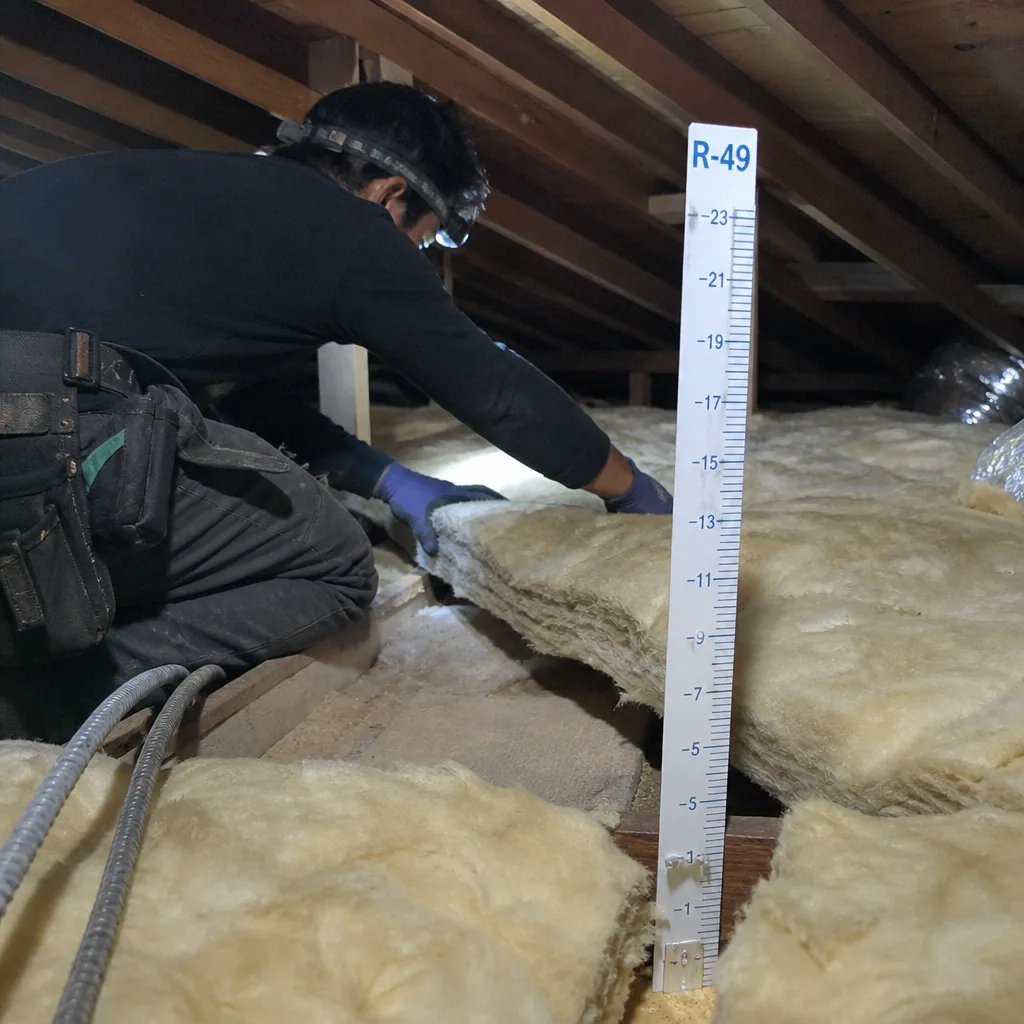
Homeowners who haven’t done this work before often don’t know what to expect from the process. Here’s how a typical Union City crawl space job runs under the Haven Standard.
First, a technician schedules an in-person estimate – no drive-by pricing, no square footage guesstimate over the phone. The technician enters the crawl space, takes moisture readings (we use a pin-type meter on the wood and a hygrometer for ambient humidity), photographs existing conditions including the liner if one exists, notes clearance height, checks for standing water or evidence of past water intrusion, and documents sill plate condition. That visit is also when we confirm permit requirements with Alameda County – something contractors who skip permits don’t bother to do.
From that visit, you receive a written price with a flat dollar figure, a named liner specification, a named scope (vent sealing: yes or no, drainage mat: yes or no, dehumidifier: model and BTU rating if included), and a written warranty. Under Haven Standard Clause 1, no work is scheduled until you have that document and have approved it. There is no “we’ll figure it out once we’re under there.”
On installation day, the crew removes any existing degraded material, preps the ground surface, installs the liner starting at the walls and running down to the floor with proper overlap and sealed seams, installs drainage matting if specified, seals vents, and installs the dehumidifier if included. Before leaving, every job gets a documented photo record – entry conditions, mid-installation, and completion. You receive those photos as part of the job record.
The 365-Day Done Right Promise applies from the day installation is complete. If the liner seams fail, if the vent sealing wasn’t thorough, if moisture readings return to pre-installation levels within that window, we come back and make it right. That commitment is in writing before the job starts.
Union City Crawl Space Encapsulation FAQs
How much does crawl space encapsulation cost in Union City, CA?
Full crawl space encapsulation in Union City typically costs between $5,000 and $9,500, depending on square footage, clearance height, moisture conditions, and whether a dehumidifier is included. Basic vapor barrier installation without full encapsulation runs $1,200 to $3,500. At Envelope Insulation Co., the estimate is free and the written price is delivered before any work is scheduled – call (650) 381-1512 to set up an in-person assessment.
Is a vapor barrier enough, or do I need full encapsulation?
A vapor barrier alone is often adequate for homes with mild, seasonal moisture and well-drained soil. For most Union City homes west of I-880 – where soil moisture and winter humidity are both elevated – full encapsulation with sealed vents and active dehumidification is the right standard. The answer should come from actual moisture readings taken in your crawl space, not a general rule of thumb. We take those readings during every estimate.
Does crawl space encapsulation in Union City require a permit?
Yes, in most cases. Alameda County Building Department requires a permit when converting a vented crawl space to an unvented (conditioned) space, which is what full encapsulation does. The permit fee is typically $150 to $350, and we pull it where required. Any contractor who tells you permits aren’t necessary for vent-sealing work in Alameda County is either uninformed or cutting corners – either way, the homeowner bears the liability if an unpermitted conversion is found during a future sale inspection.
How long does crawl space encapsulation last?
A properly installed encapsulation system with a 12-mil to 20-mil reinforced liner, sealed seams, and proper vent treatment typically lasts 20 to 25 years in normal use. Thinner 6-mil poly ground covers under foot traffic or in harsh conditions may degrade in 5 to 10 years. The liner specification in your written scope directly determines the expected service life, which is why we name the exact product and thickness before any work begins.
What happens if I skip crawl space encapsulation in a wet climate like Union City’s?
An unprotected crawl space in Union City’s winter moisture cycle will, over time, saturate fiberglass batt insulation (eliminating its R-value), generate wood rot in floor joists and sill plates, and create conditions where mold and pest activity become active problems. The cost of addressing all three of those downstream issues – insulation removal, wood treatment, mold remediation – almost always exceeds the cost of Crawl Space Insulation and encapsulating correctly in the first place. We’ve done the remediation jobs; the before photos are not subtle.
Can I use Envelope Insulation Co.’s Free Second Opinion on a crawl space estimate I already have?
Yes. Bring any written crawl space encapsulation estimate to us – or share it by phone or email – and Wes Okafor’s team will read it with you line by line at no charge. Specifically, we’ll flag whether the liner thickness is specified, whether vent sealing is included or excluded, whether permit responsibility is assigned, and whether the warranty terms are written or implied. Most homeowners find the comparison more useful than they expected. Call (650) 381-1512 to set that up.
Key Takeaways
- Crawl space encapsulation in Union City runs $5,000 to $9,500 for full scope; basic vapor barrier starts at $1,200.
- Union City’s western neighborhoods – particularly Alvarado and Decoto – have elevated soil moisture and typically need full encapsulation, not a basic ground cover.
- Liner thickness (6-mil vs. 12-mil vs. 20-mil) is the single biggest determinant of long-term performance and should be named in your written scope.
- Alameda County requires a permit for vent-sealing encapsulation work. Pull it, or own the liability.
- Doing the job once correctly almost always costs less than fixing inadequate work two years later.
- Every Envelope Insulation Co. job in Union City starts with a written price and ends with a documented photo record. The 365-Day Done Right Promise is in writing before the first tool comes out.
- A free estimate and a Free Second Opinion on any competing quote are available – call (650) 381-1512 or visit the home page to learn more about the full service line.
Get a Written Price for Your Union City Crawl Space
If your Union City home has a crawl space you haven’t looked at lately – or one you’ve looked at and don’t love what you found – the next step is a no-obligation, in-person estimate. Wes Okafor leads every assessment with a moisture reading, a photo record of existing conditions, and a flat written price before anything is scheduled. There’s no “we’ll see once we’re under there.” The price is the price, in writing, before work starts.
Call Envelope Insulation Co. at (650) 381-1512. A live person answers – no voicemail loops, no callback windows. The estimate is free. The second opinion on any written quote you already have is free. The written scope, the liner specification, the warranty, the documented photo record – those come standard on every job, because that’s what the Haven Standard requires, and it has been since 2016.
Written by Wes Okafor, Owner at Envelope Insulation Co. (operating as Topside Attic Insulation Union City), serving Union City since 2016. Pricing reflects the Union City, CA market as of 2026. Topside Attic Insulation Union City offers free estimates – call (650) 381-1512.
What Our Customers Say
"They photographed rodent damage in the old insulation that we had no idea about, and priced the exclusion work separately so we could decide."
- Harriet N."Crawl space encapsulation done properly. Photographs of the vapour barrier at every seam, and the damp smell in the hallway is gone."
- Ainsley P."The winter gas bill dropped by about a third. They had estimated a quarter, so they under-promised."
- Genevieve R.