

Fast, Reliable Spray Foam Insulation Across Stanford
Spray foam insulation in Stanford, CA typically costs $2.80-$6.50 per board foot installed, with most attic retrofits running $3,200-$7,800 and rim-joist jobs in crawlspaces landing between $1,800-$4,200. Our crews serve Stanford from the San Francisco Bay Area office, and we’re familiar with the dual-approval permit path that catches out-of-area contractors flat-footed. Call (650) 381-1512 for a written price before any work starts - that’s Haven Standard Clause 1, no exceptions.
Stanford’s inland position gives it sharper temperature swings than Palo Alto or Menlo Park just to the east. Summer afternoons hit the mid-80s while nights drop to the low 50s, and the mid-century faculty lease homes that dominate the housing stock were built with minimal insulation under the assumption that mild winters made heavy thermal envelopes unnecessary. That assumption costs residents money every month in cooling loads that proper spray foam would flatten.
Why Topside Attic Insulation Union City Is Stanford’s Preferred Spray Foam Insulation Company
We’ve been sealing and insulating homes under The Haven Standard since 2016, with 9,000+ jobs completed - every one with a written price before work started and a documented photo record when the crew left. Our Spray Foam Insulation team knows Stanford specifically, not just as another Peninsula zip code.
Stanford customers find us because they read three-star reviews as carefully as five-star ones, and they stay because we publish before-and-after blower-door numbers on every applicable job. A pressurization reading that shows, in one figure, how much conditioned air the home was losing before and after the work. No feeling-based claims. Just the CFM50 number, documented.
Dispatch and scheduling are coordinated from our San Francisco Bay Area office, with crews serving Stanford locally. Calls are answered by a live person, 24/7. No voicemail loops. No callback windows measured in business days.
Our 365-Day Done Right Promise applies to all completed work. If it’s not done right, we make it right. Backed by a written scope and written warranty delivered before anyone lifts a tool.
Our Spray Foam Insulation Services in Stanford
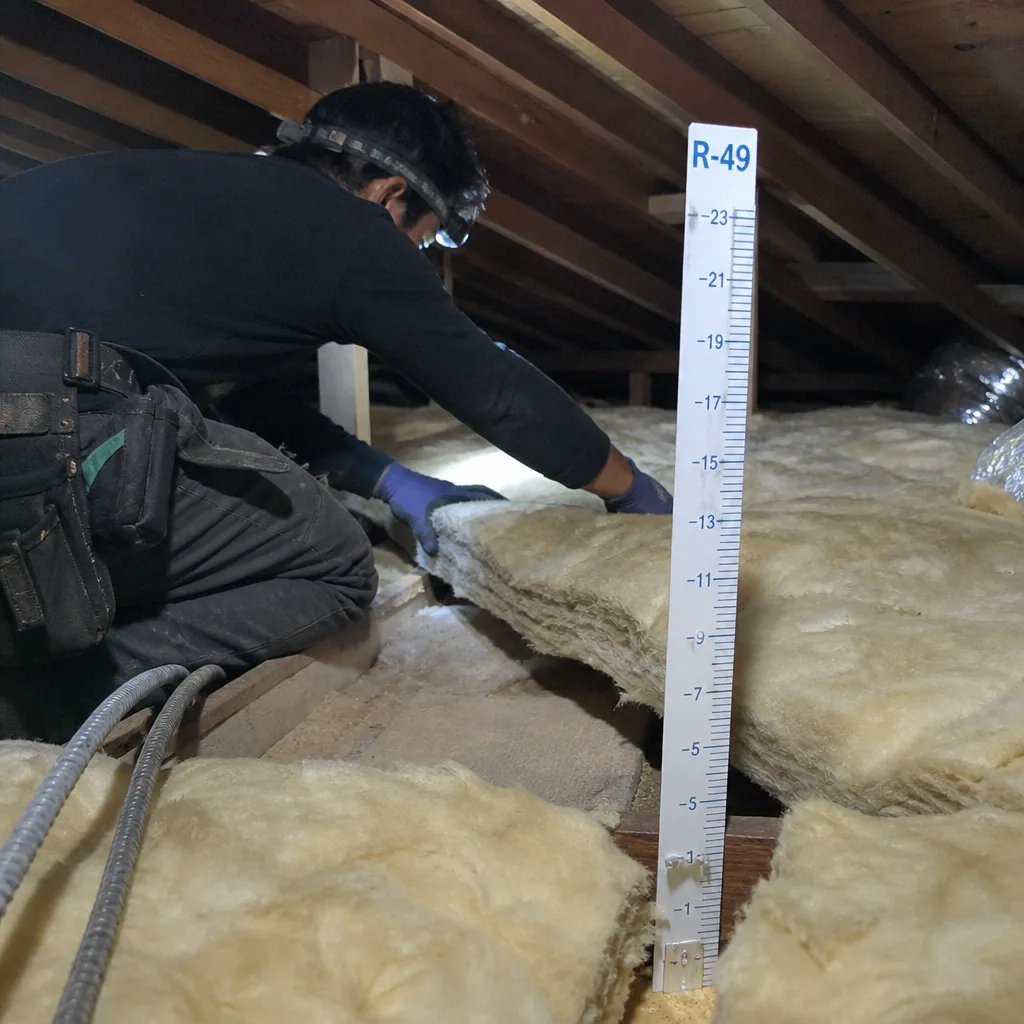
Closed-Cell Spray Foam
Closed-cell spray foam is the denser of the two main types - about 2 pounds per cubic foot - and it acts as its own vapor barrier at thicknesses above 1.5 inches. In Stanford’s mid-century faculty lease homes, we specify closed-cell more often than open-cell because the existing structures have no air barrier, and the sharp diurnal swings drive moisture cycling that open-cell can’t always manage. A typical closed-cell attic retrofit in Stanford runs $4,200-$7,800 depending on square footage and accessibility. We were called to a 1962 university-owned faculty lease home near the historic Sandstone Quad where the original attic had nothing but a thin layer of old mineral wool, and because the structure is preservation-sensitive we switched from open-cell to closed-cell Icynene at the rim joists to keep bulk low. The family had been running a portable AC almost year-round to fight the mid-80s afternoon heat, and after we foamed the attic plane and sealed the rim joists the indoor temperature swing flattened noticeably between the low-50s nights and hot afternoons. We pulled the county permit and waited on the Capital Planning approval before the first spray gun fired.
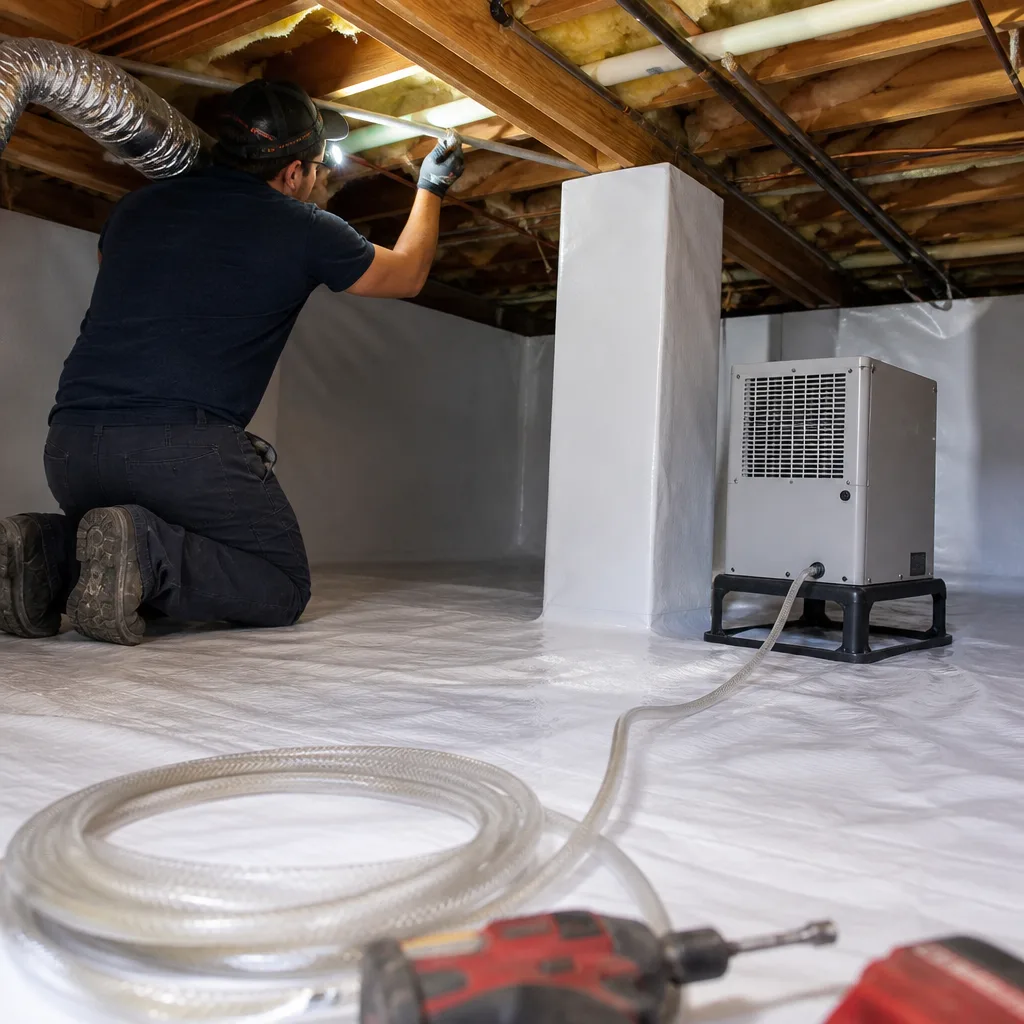
Open-Cell Spray Foam
Open-cell foam runs lighter - about 0.5 pounds per cubic foot - and it’s more cost-effective for large cavity fills where vapor drive is managed separately. In Stanford, we use open-cell primarily in vented attics with proper assembly design, or in walls where the existing conditions allow drying to both sides. A typical open-cell job in Stanford runs $2.80-$4.20 per board foot. We do not spray open-cell on Stanford roof decks without confirming the ventilation strategy first, because the town’s sharp diurnal temperature swing can drive condensation in under-vented assemblies.
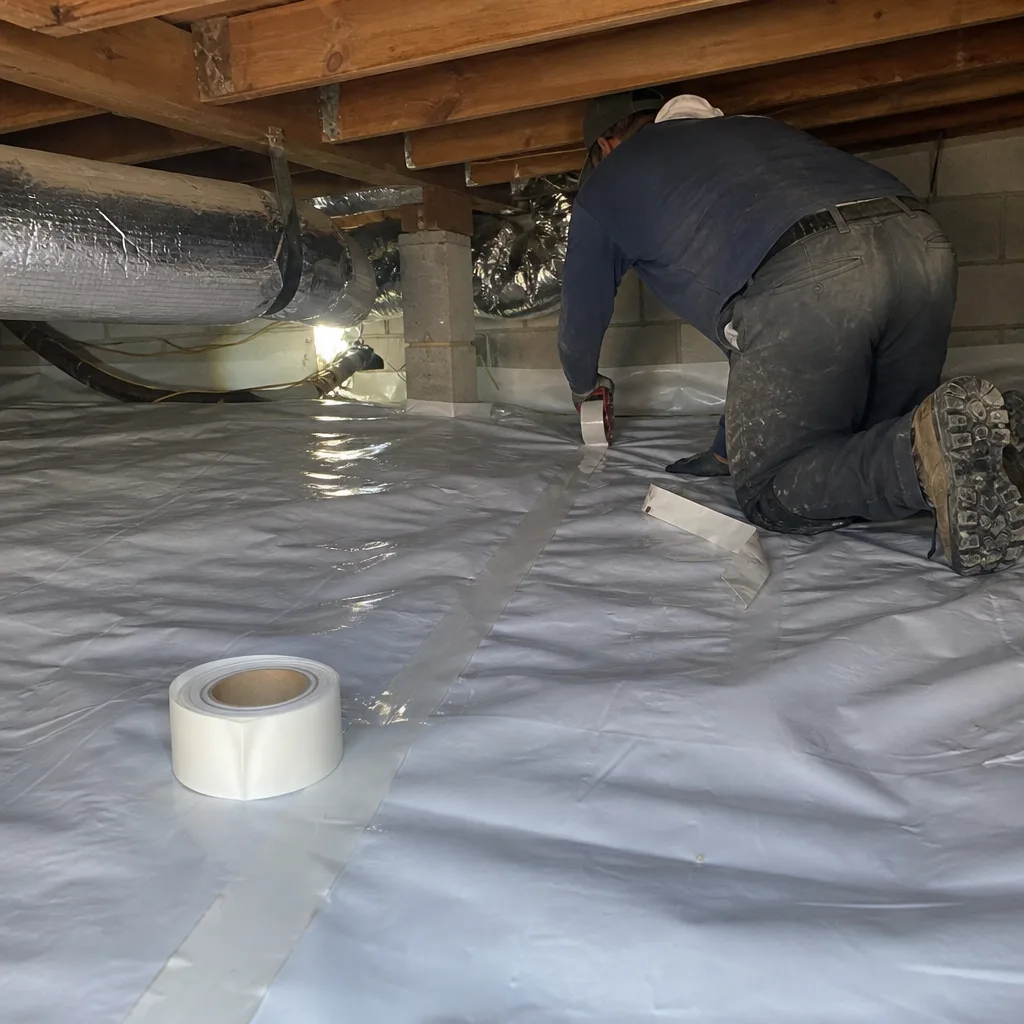
Rim Joist Spray Foam
The rim joist is where your foundation meets your first floor - the most common air-leakage point in homes built before modern air-sealing codes. Stanford’s 1950s-1970s faculty housing almost never has sealed rim joists. We treat this as a standalone service because the payoff is immediate and measurable. A typical rim-joist job in Stanford runs $1,800-$4,200. We use closed-cell here almost exclusively; it’s the right product for the location, and we don’t let product preference override building science.
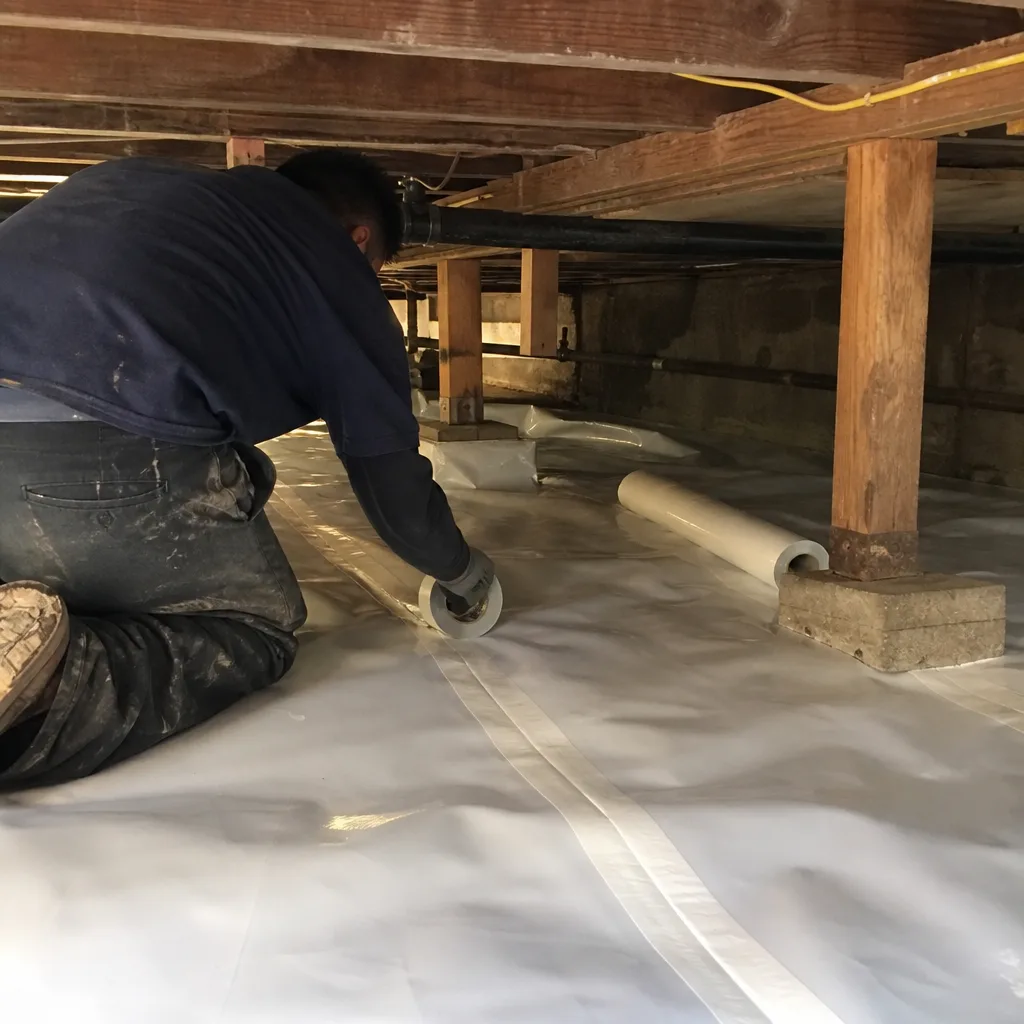
Garage Ceiling Spray Foam
Garage ceilings in Stanford’s university lease homes often separate conditioned living space from an unconditioned garage below. Without insulation, that thermal boundary leaks year-round. We foam the garage ceiling plane, seal all penetrations, and document the work with photos. Typical range in Stanford: $2,400-$5,600.
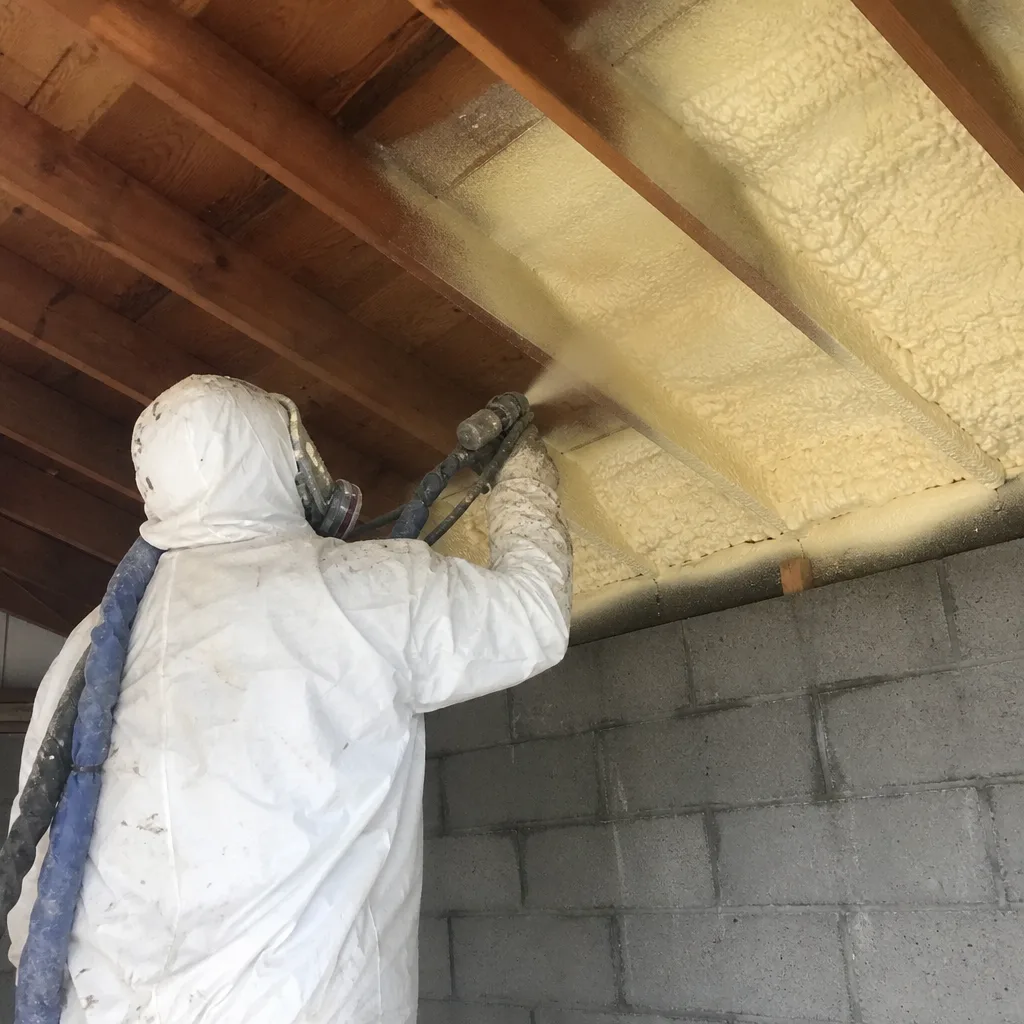
Spray Foam Roof Deck
Spraying foam directly to the roof deck creates an unvented conditioned attic - useful in Stanford homes where ductwork runs through the attic and loses conditioned air to unconditioned space. This assembly demands careful design because Stanford’s diurnal swings stress the roof assembly. We specify closed-cell for roof decks here, with moisture calculations to back the choice. Typical range: $5,500-$11,000 depending on roof pitch and accessibility.
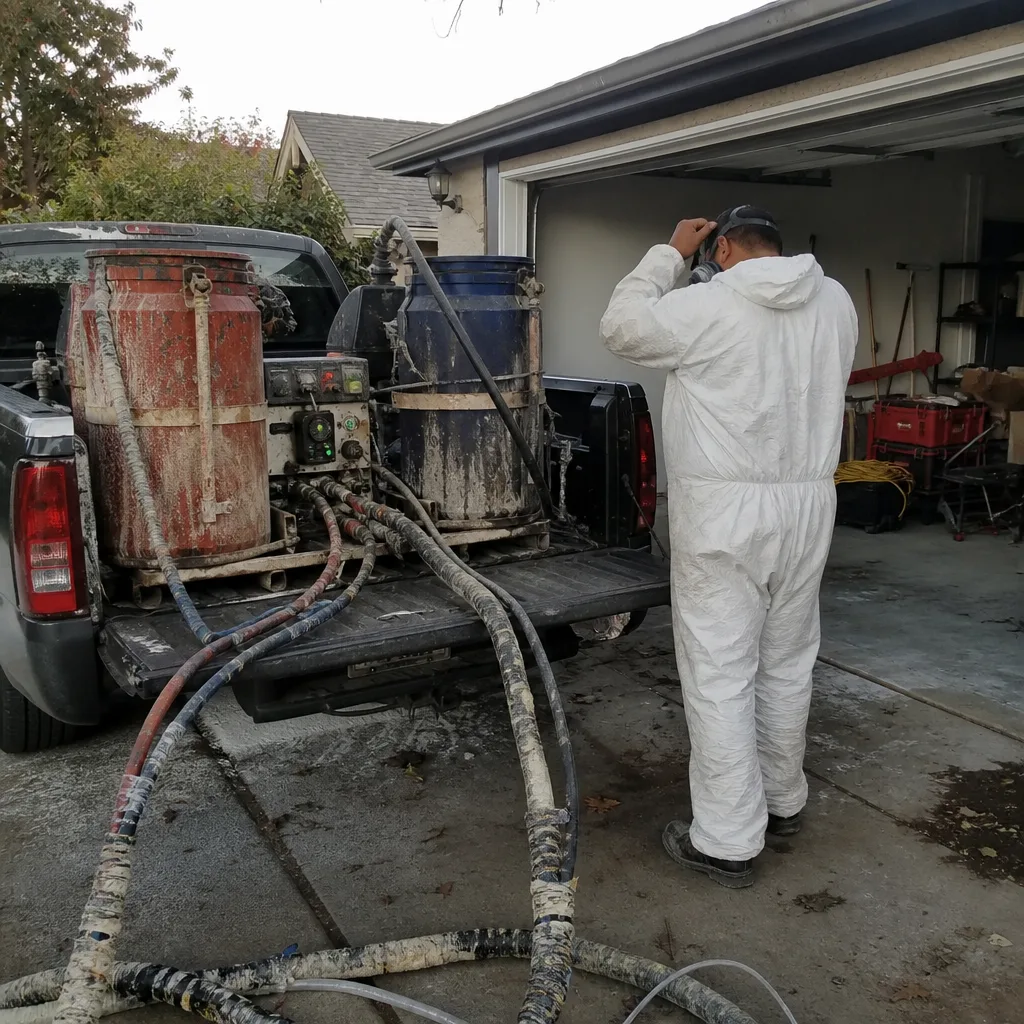
What happens when you call
- 1
A real person answersNo phone trees - you reach a local pro.
- 2
You get an upfront price rangeHonest numbers before anyone is dispatched.
- 3
A background-checked tech heads outLicensed & insured, dispatched right away.
- 4
You approve before work beginsNothing starts until you say go.
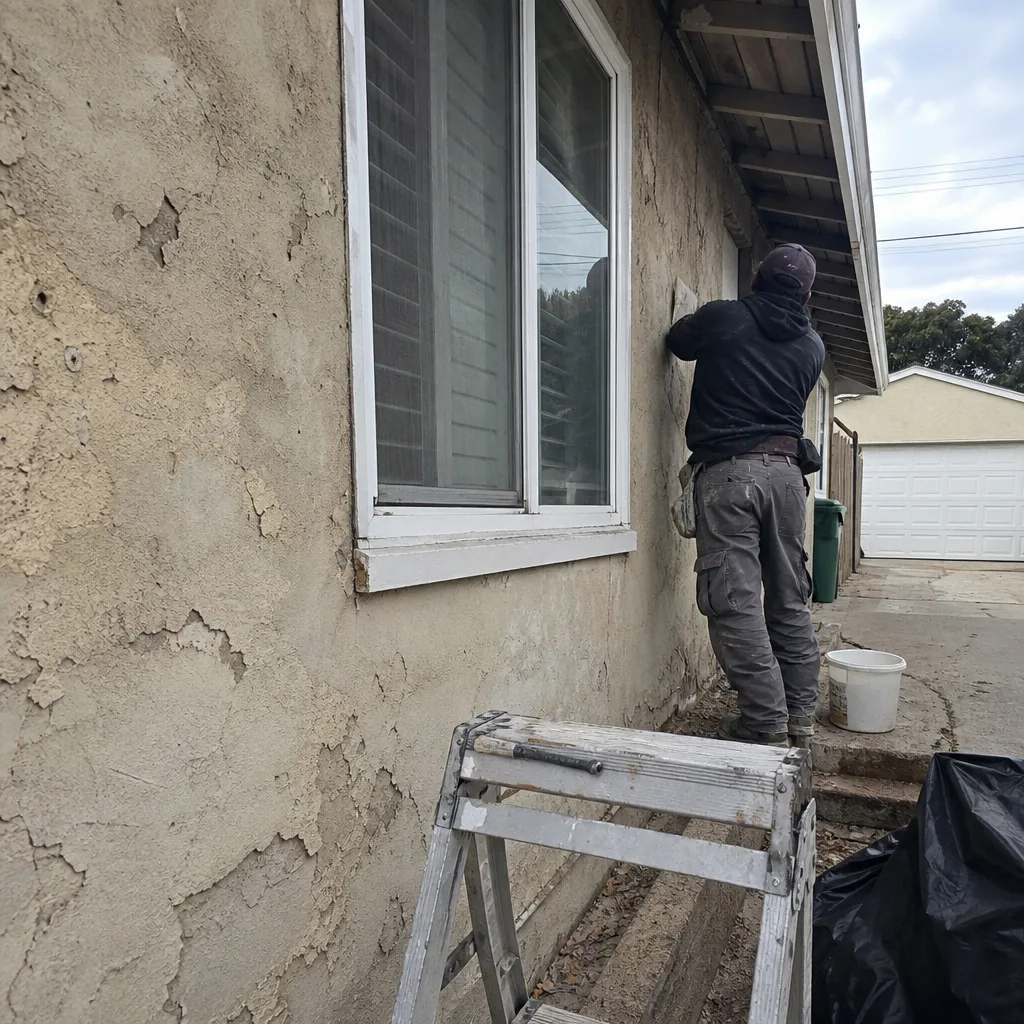 Before
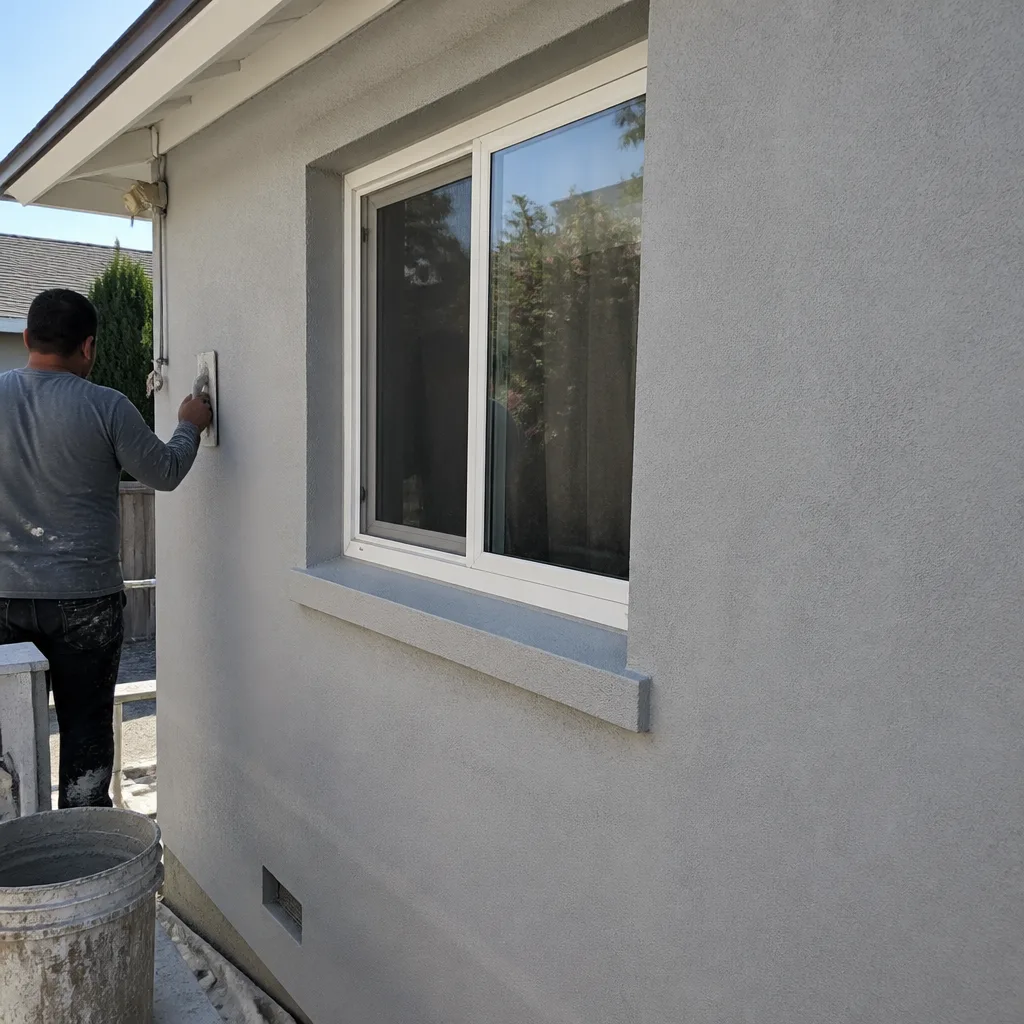 After
AfterTrusted Brands We Service in Stanford
We source materials from Icynene, Demilec, Owens Corning, and other major manufacturers - no proprietary product lock-in, so we specify what’s right for the assembly rather than what our supplier needs to move. For Stanford jobs, we keep Icynene and Demilec closed-cell products in regular rotation because both perform well in the moisture-cycling conditions this inland Peninsula microclimate creates. Our crews don’t guess at chemistry. They read the substrate moisture content before spraying, document it, and match the product to the condition of the building.
Common Spray Foam Insulation Problems We See in Stanford Homes
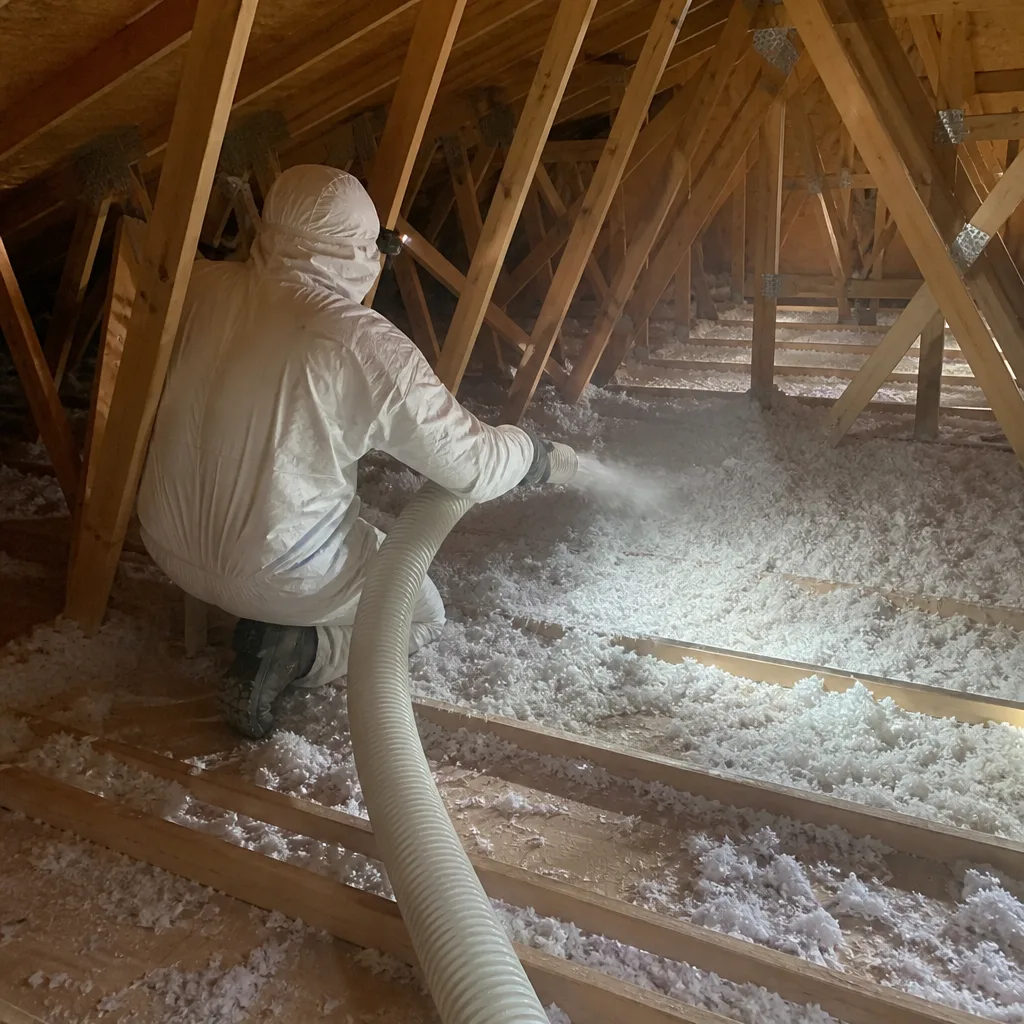
- Off-gassing and delamination in unsealed wall cavities. Mid-century university lease homes near Sandstone Quad have no existing air barrier, so trapped moisture in wall cavities causes spray foam to bubble and delaminate if the substrate isn’t dried first. We measure moisture content before spraying and specify closed-cell when drying potential is limited.
- Condensation in under-vented open-cell roof decks. Stanford’s sharp diurnal swing drives attic dew-point cycling. Under-vented open-cell foam on roof decks can condense and sag where a closed-cell or vented assembly was needed. We calculate this before specifying product.
- Failed inspections from missed Capital Planning approval. Retrofits in older campus-adjacent structures fail inspection when the crew treats it as a standard residential job and misses the parallel Capital Planning and Space Management sign-off required on university-owned buildings. We build this step into every Stanford timeline.
- Preservation conflicts in historic-adjacent structures. Older buildings near the Sandstone Quad and original campus core require approaches that don’t disturb original fabric. We adjust foam type, application thickness, and access strategy to keep the structure intact.
Pricing for Spray Foam Insulation in Stanford, CA
| Service | Typical Range in Stanford |
|---|---|
| Open-cell spray foam (attic) | $2.80-$4.20 / board foot |
| Closed-cell spray foam (attic/rim joist) | $4.50-$6.50 / board foot |
| Rim joist (typical 1,800 sq ft home) | $1,800-$4,200 |
| Garage ceiling | $2,400-$5,600 |
| Roof deck (unvented assembly) | $5,500-$11,000 |
What moves the number: accessibility (crawlspace height, attic hatch size), existing insulation removal, substrate moisture remediation, and the dual-approval permit timeline unique to Stanford. Every job begins with a written price - flat, itemized, delivered before anyone lifts a tool. Bring us a competing quote; we’ll read it with you. Free second opinion on any written estimate. Call (650) 381-1512.
We Also Serve Cities Near Stanford
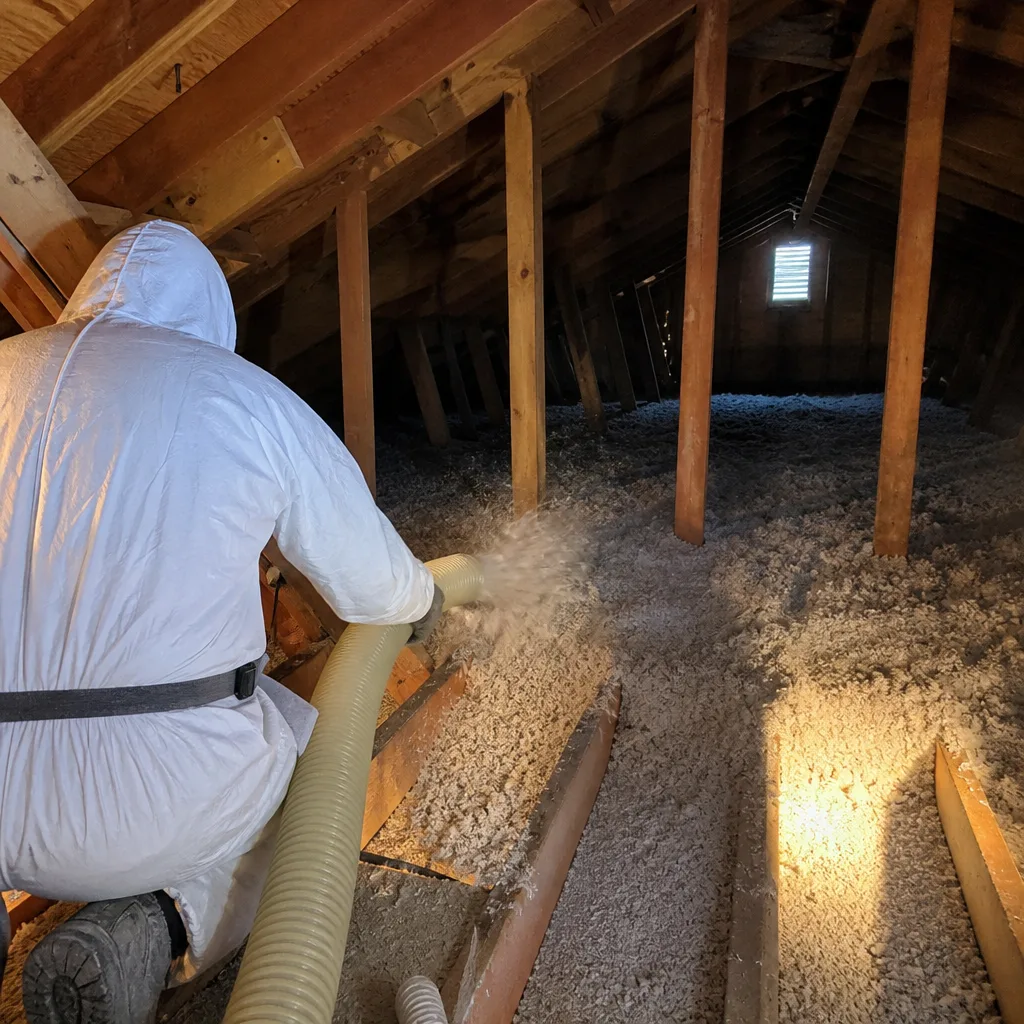
Our crews work throughout the Peninsula and South Bay. If you’re in Stanford or nearby - Palo Alto, Menlo Park, Atherton, Los Altos - the same Haven Standard applies: written price first, documented record last, blower-door numbers when applicable.
Serving Stanford, CA - Our Local Coverage Area
We’re based in the Stanford area and know this community well. Use the map below to see our service coverage - if you’re nearby, we can almost certainly help.
FAQs - Spray Foam Insulation in Stanford
No - Stanford is unincorporated Santa Clara County land, so permits go through the county building department, not a city office. If your structure is university-owned lease housing, you also need parallel approval from Stanford’s Capital Planning and Space Management office. We handle both layers on every job. Call (650) 381-1512 to confirm which approvals your specific property requires.
Mild winters don’t eliminate cooling loads, and Stanford’s inland position creates sharper temperature swings than coastal neighbors. Mid-century builders assumed the Bay Area climate made heavy insulation unnecessary, but summer afternoons in the mid-80s against low-50s nights mean attics and walls heat up daily and radiate that heat into living space for hours after sunset. Spray foam flattens that swing and reduces the runtime of any cooling system. We can show you the blower-door number that proves the difference.
Yes - we adjust foam type, application thickness, and access strategy for preservation-sensitive structures. On a 1962 home near the Quad, we switched from open-cell to closed-cell Icynene at the rim joists specifically to keep bulk low while sealing the envelope. We document every decision with photos and written scope. Call (650) 381-1512 for a written price and site-specific plan.
We regularly specify Icynene and Demilec closed-cell products for Stanford’s moisture-cycling conditions, and we source from Owens Corning and other major manufacturers as assembly requirements dictate. No proprietary lock-in. The brand choice is documented in your written scope before work starts.
County permit review typically takes 5-10 business days; Stanford Capital Planning review adds another 7-14 business days for university-owned structures. We submit both in parallel where possible and build the timeline into your written scope before anyone schedules material. Call (650) 381-1512 for a project timeline specific to your property type.
Written by Wes Okafor, Owner at Envelope Insulation Co., serving Stanford and the Bay Area under The Haven Standard since 2016.