
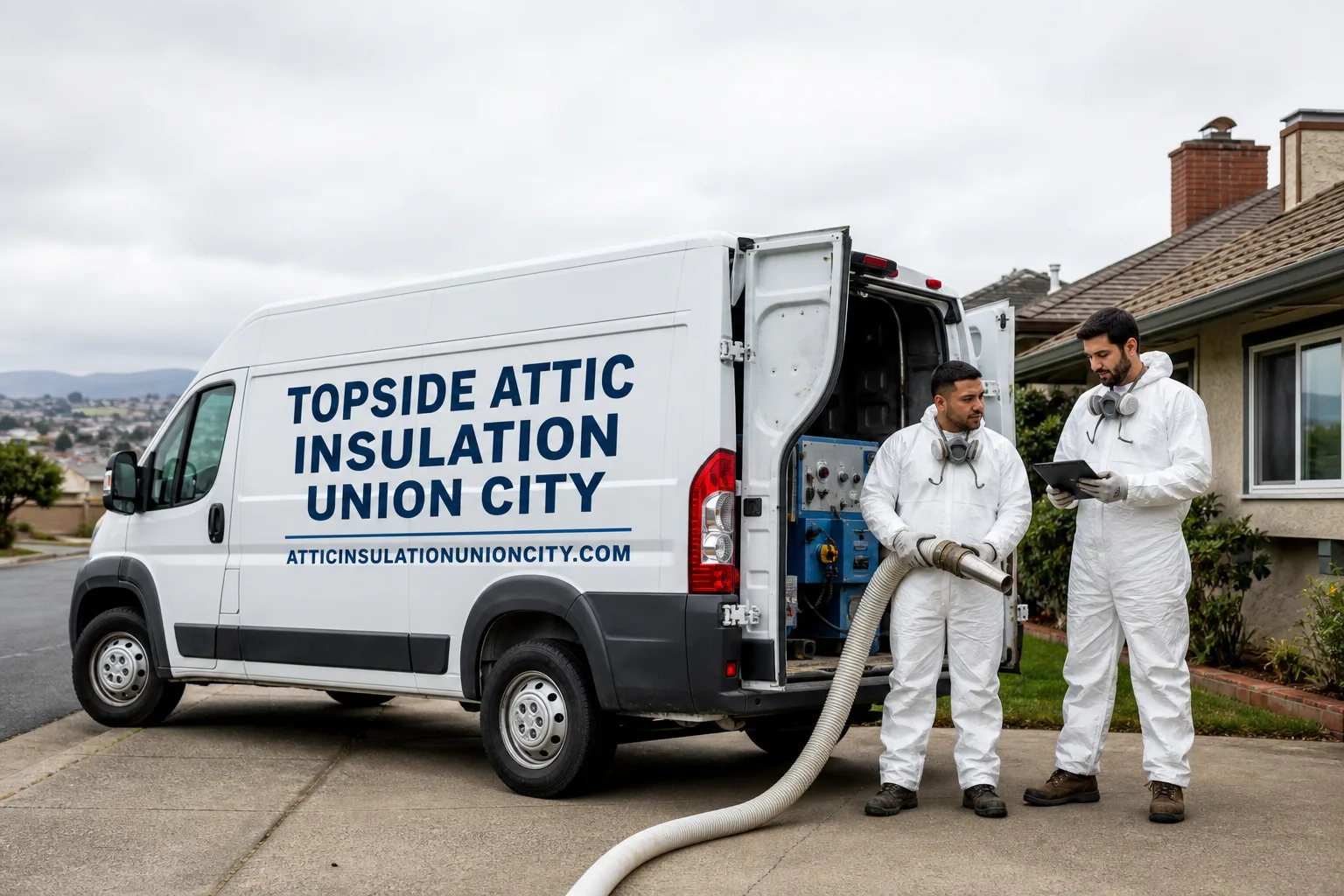
Insulation in Stanford, CA
Crawl space encapsulation and vapor barrier installation in Stanford, CA typically runs $3,200-$6,800 for a full encapsulation, with most jobs completed in two days. Because Stanford’s mid-century faculty housing was built with minimal subfloor insulation and the area’s sharp diurnal temperature swings drive ground moisture upward, unsealed crawl spaces here develop condensation problems that neighboring Palo Alto and Menlo Park see less frequently. We start every Stanford job with a written price and documented photo record, and our crews dispatch from the San Francisco Bay Area office. Call (650) 381-1512 for a free estimate.
Why Stanford Homes Are Different
Stanford’s housing stock is almost entirely university-owned, built between the 1950s and 1970s with thin or missing insulation on the assumption that mild Bay Area winters didn’t warrant the expense. That assumption ignores Stanford’s inland position, where summer afternoons hit the mid-80s and nights drop to the low 50s - a wider swing than Palo Alto or Menlo Park experience. The original construction leaves attics, walls, and crawl spaces ripe for retrofit.
Because Stanford is unincorporated Santa Clara County land, permits route through the county building department, not a city office. Work on university-owned structures - the majority of buildings here - requires parallel approval from Stanford’s Capital Planning and Space Management office, a step that out-of-area contractors often miss. Older structures near the historic Sandstone Quad demand preservation-sensitive approaches when adjacent insulation work is involved.
Our Main Stanford Services
Stanford homeowners and facilities managers contact us most often about attic work and spray foam - here is what each involves locally.
Attic Insulation in Stanford
Most Stanford attics hold original fiberglass batts compressed below current R-value standards, with air leaks at top plates and can lights that render whatever insulation exists less effective. We measure blower-door leakage before touching material, seal the attic floor completely, then install to the written scope. Every job closes with a documented photo record and, on applicable work, before-and-after blower-door numbers. Attic Insulation in Stanford covers our full process.
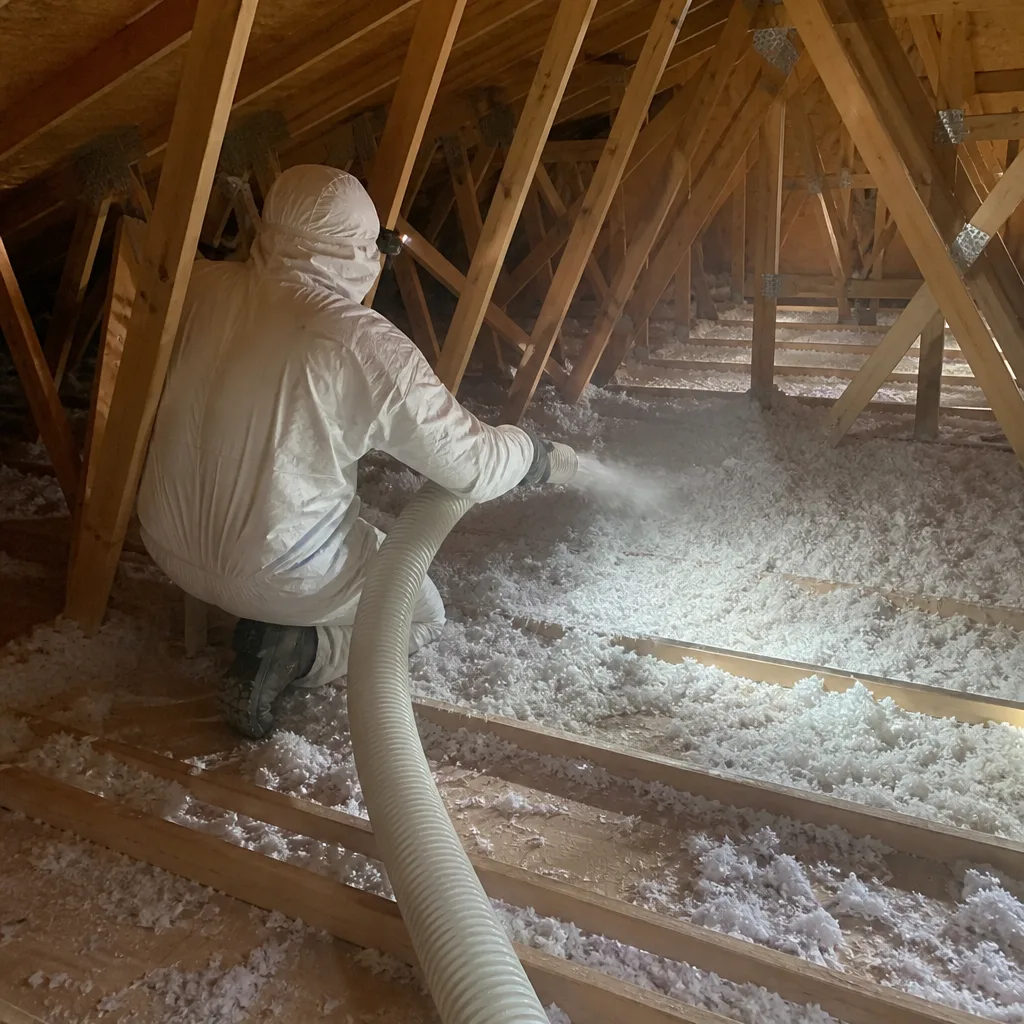
Spray Foam Insulation in Stanford
Spray foam suits Stanford’s complex rooflines and the conditioned attics that university retrofits increasingly specify under the SESI carbon-neutrality framework. We source open-cell and closed-cell products from Demilec and Icynene, with no proprietary lock-in. The Haven Standard requires a written price before any work starts, and we provide a free second opinion on any competing written estimate. Spray Foam Insulation in Stanford details applications.
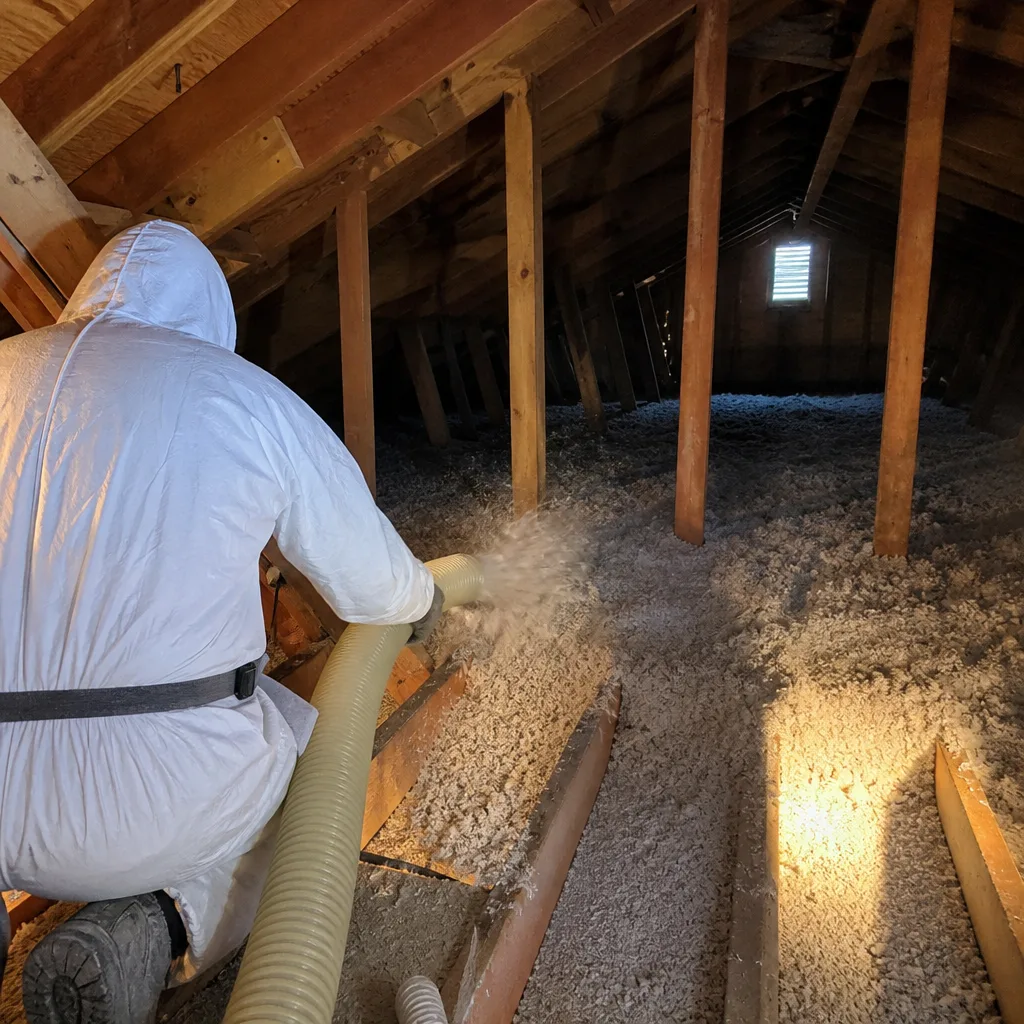
Blown-In Insulation in Stanford
Blown-in cellulose from GreenFiber or fiberglass from Owens Corning fills irregular joist bays in Stanford’s mid-century attics more completely than batt replacement. We install only after air sealing is complete - blowing insulation over an unsealed attic floor violates our sequencing. The result is documented with photos and, when applicable, blower-door verification. Blown-In Insulation in Stanford explains material selection.
What happens when you call
- 1
A real person answersNo phone trees - you reach a local pro.
- 2
You get an upfront price rangeHonest numbers before anyone is dispatched.
- 3
A background-checked tech heads outLicensed & insured, dispatched right away.
- 4
You approve before work beginsNothing starts until you say go.
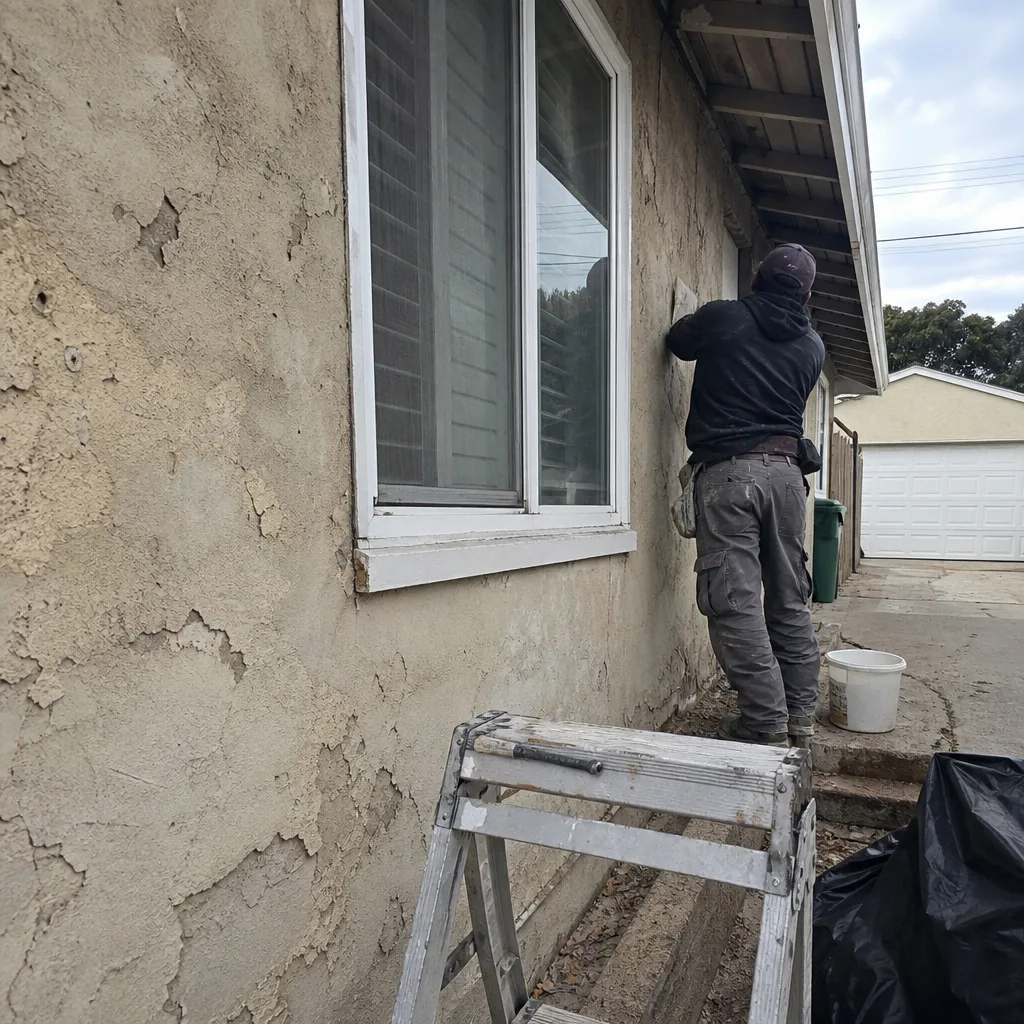 Before
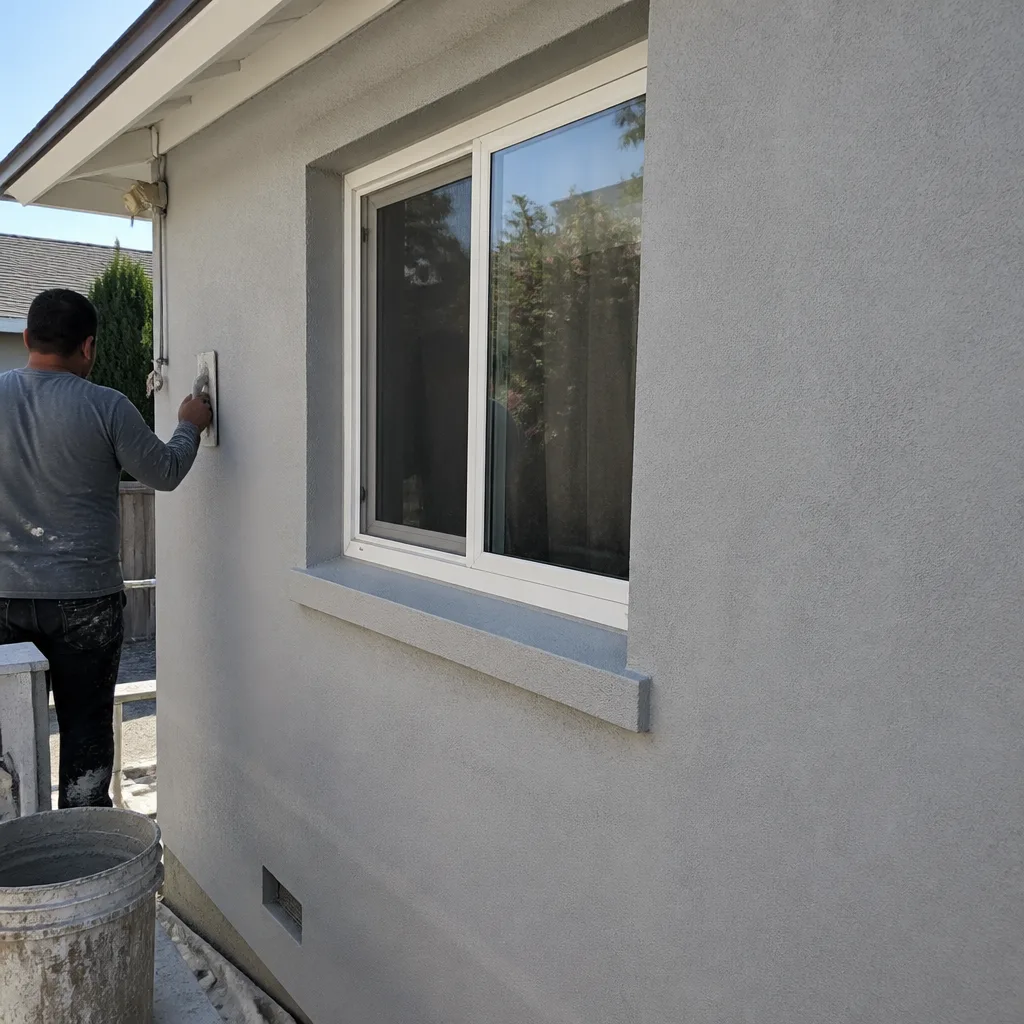 After
AfterCrawl Space Encapsulation & Vapor Barrier in Stanford
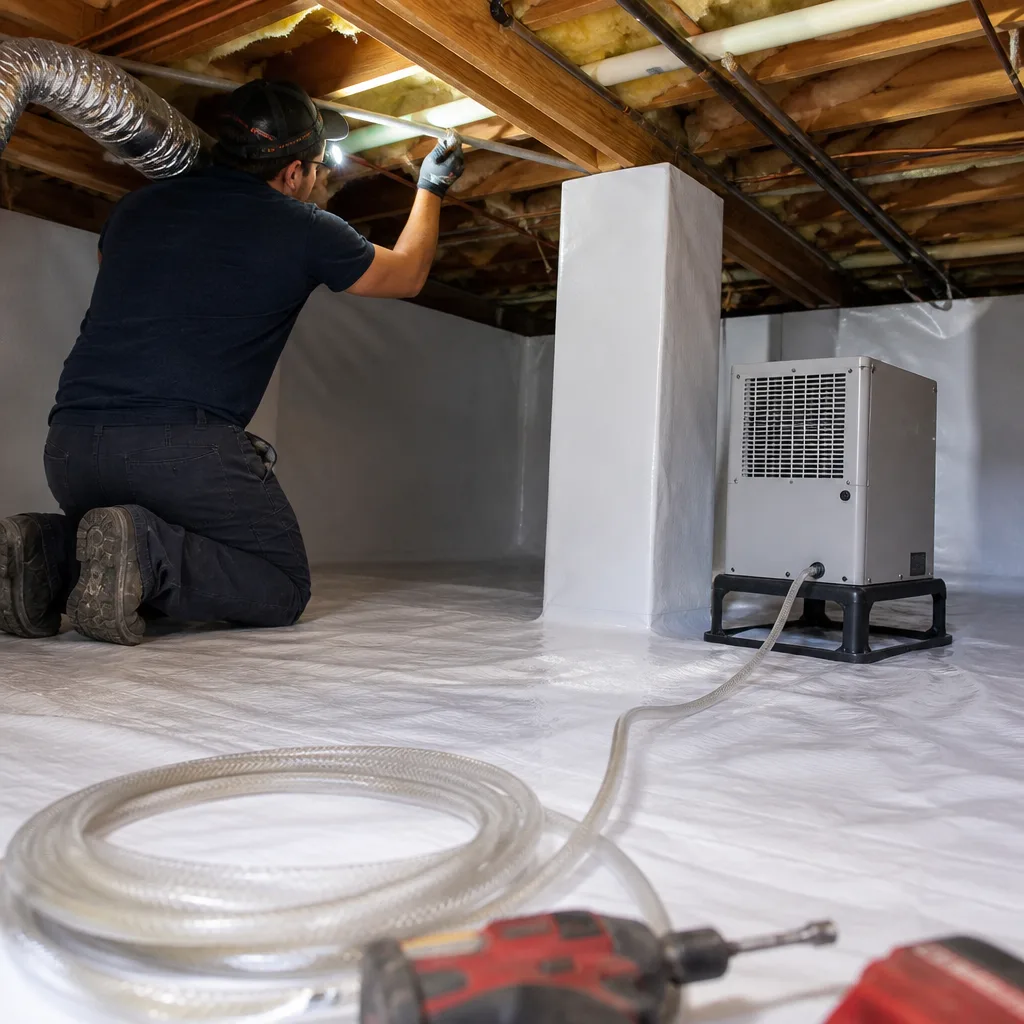
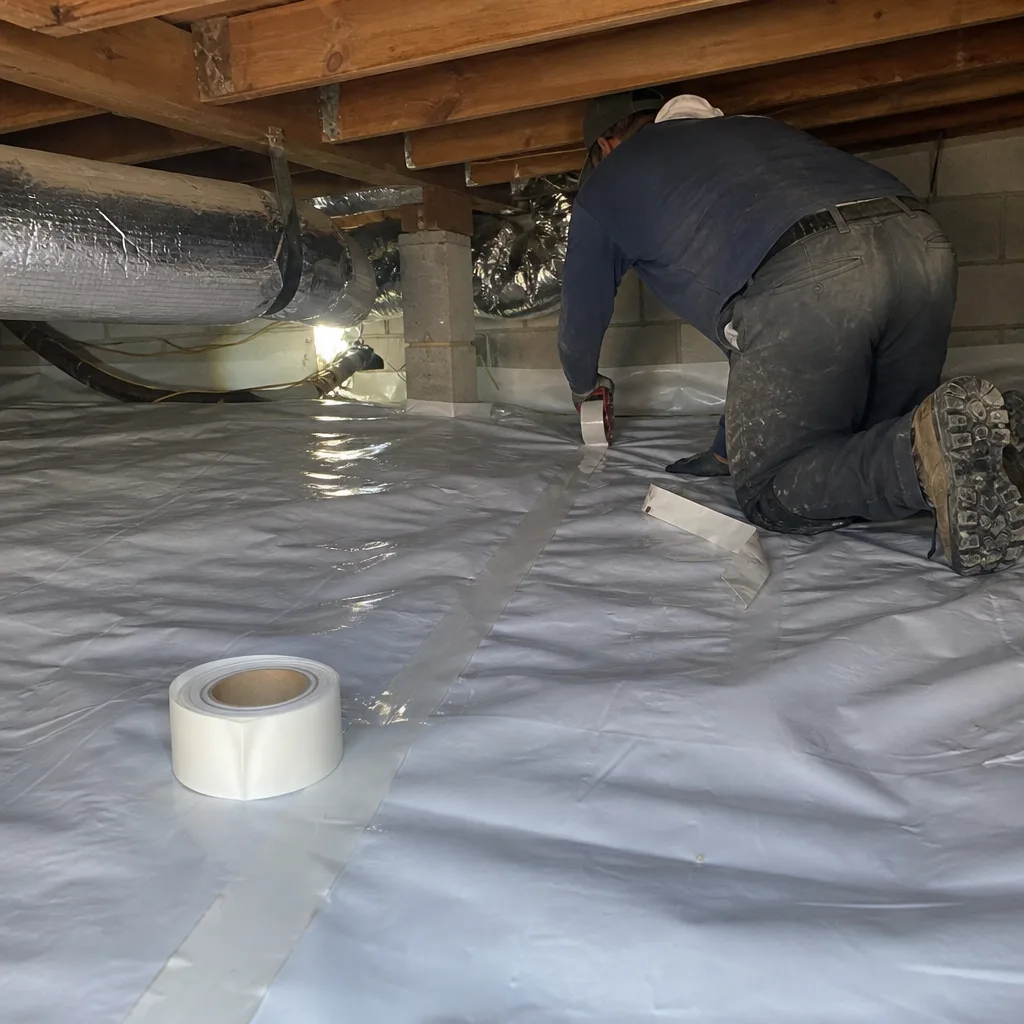
Stanford’s mid-century faculty housing was built with vented crawl spaces and minimal subfloor insulation, a combination that fails here more dramatically than on the coast because the inland diurnal swing drives repeated condensation cycles. Ground moisture rises through soil, hits the cooler subfloor, and saturates joist bays - we regularly find rotted rim joists in the 1960s-era homes off Campus Drive West. Crawl Space Encapsulation & Vapor Barrier is our primary service in this market because the problem is both widespread and correctable with proper envelope work.
Crawl Space Vapor Barrier
Signs you need it
Musty odors rising through floor registers, visible condensation on ductwork in June through September, or fiberglass batts hanging sodden from crawl space joists indicate vapor migration.
What it costs in Stanford
A 6-mil to 20-mil vapor barrier installed over bare earth in a typical Stanford crawl space runs $1,800-$3,400.
How we do it
We remove debris, grade the soil surface, seam-seal polyethylene sheeting at all overlaps, and mechanically fasten to walls with sealed termination bars.
Crawl Space Encapsulation
Signs you need it
Chronic humidity above 70% RH measured at the rim joist, mold on structural members, or energy bills that spike despite moderate thermostat settings suggest full encapsulation is warranted.
What it costs in Stanford
Complete encapsulation with sealed vapor barrier, insulated walls, and conditioned air supply in a standard Stanford crawl space ranges $3,200-$6,800.
How we do it
We install a reinforced vapor barrier across floor and walls, seal all penetrations and piers, add rigid foam wall insulation, and introduce conditioned air or a dehumidifier as specified.
What Crawl Space Encapsulation & Vapor Barrier Costs in Stanford
| Item | Typical range in Stanford |
|---|---|
| Vapor barrier (6-20 mil, earth only) | $1,800 - $3,400 |
| Partial encapsulation (floor + wall base) | $2,600 - $4,800 |
| Full encapsulation with insulation | $3,200 - $6,800 |
Can I encapsulate a crawl space myself in Stanford?
Partial DIY vapor barrier installation is possible for accessible crawl spaces, but proper seam sealing, wall termination, and humidity control require equipment and sequencing that most homeowners lack. Call (650) 381-1512 for a written price before any work starts - estimates are free.
How long does crawl space encapsulation take in Stanford?
Most Stanford encapsulations finish in one to two days; larger or structurally complex crawl spaces may extend to three. We schedule through Stanford’s Capital Planning office when university approval is required.
Radiant Barrier Installation in Stanford
Stanford’s mid-century attics were built without radiant barriers, and the combination of dark composite shingles plus summer afternoons in the mid-80s drives attic temperatures past 140°F - forcing air conditioning systems to work against downward radiative heat gain even when ambient air is moderate. A properly installed radiant barrier can reduce attic surface temperatures by 20-35°F, which matters disproportionately in homes where the ductwork runs through the attic plenum, as is common in the 1960s and 1970s stock near Escondido Village.
Attic Radiant Barrier
Signs you need it
Second-floor rooms that stay hot past 9 p.m., AC runtime exceeding 6 hours daily in July, or ductwork in the attic that feels hot to the touch all indicate excessive radiant heat gain.
What it costs in Stanford
Radiant barrier foil stapled to rafters or laid over attic floor joists in a typical Stanford home runs $1,400-$2,800.
How we do it
We install perforated aluminum foil across rafter bottoms or truss chords, maintaining ventilation channels and avoiding compression that would defeat the reflective surface.
Radiant Barrier Roof Deck
Signs you need it
New roof installation or re-roofing projects present the only practical opportunity for roof-deck application, since retrofit requires deck exposure.
What it costs in Stanford
Radiant barrier applied to roof deck sheathing during re-roofing in Stanford ranges $2,200-$4,000 depending on roof complexity and pitch.
How we do it
We apply reflective sheathing or foil-faced OSB during deck replacement, integrating with the roofing contractor’s schedule and documenting with photos.
What Radiant Barrier Installation Costs in Stanford
| Item | Typical range in Stanford |
|---|---|
| Attic radiant barrier (foil, existing attic) | $1,400 - $2,800 |
| Radiant barrier roof deck (during re-roof) | $2,200 - $4,000 |
| Radiant barrier with attic air sealing package | $2,800 - $5,200 |
Does radiant barrier work in Stanford’s climate?
Yes - Stanford’s inland summer heat and high solar gain make radiant barriers more effective here than in purely coastal microclimates, particularly in homes with attic ductwork. Call (650) 381-1512 for a free estimate with written pricing.
Can radiant barrier be added to an existing attic?
Foil barrier can be installed in any accessible attic without disturbing existing insulation; roof-deck application requires deck exposure during re-roofing. We assess access and recommend the appropriate method.
Insulation Removal & Replacement in Stanford
Stanford’s mid-century housing stock contains decades of accumulated insulation - much of it compressed, contaminated, or installed below current standards - and the university’s lease turnover program creates regular opportunities for full replacement. We find rodent-affected fiberglass, water-stained cellulose, and vermiculite of uncertain provenance in attics built before 1980, particularly in the older faculty housing stock near the Sandstone Quad where original construction predates modern material standards.
Contaminated Insulation Removal
Signs you need it
Visible rodent droppings, urine staining, or mold growth on insulation surfaces require removal before any new material is installed.
What it costs in Stanford
Contaminated insulation removal and disposal in a typical Stanford attic runs $2,000-$4,200, with HEPA containment and bagging required.
How we do it
We establish negative air containment, remove material with HEPA-filtered vacuums, bag for appropriate disposal, and sanitize substrates before replacement.
Insulation Replacement
Signs you need it
Insulation compressed below half its original thickness, R-values below R-30 in attics, or material that disintegrates on contact indicates replacement is due.
What it costs in Stanford
Full removal and replacement with new fiberglass or cellulose in a standard Stanford attic ranges $3,500-$7,200 depending on access and square footage.
How we do it
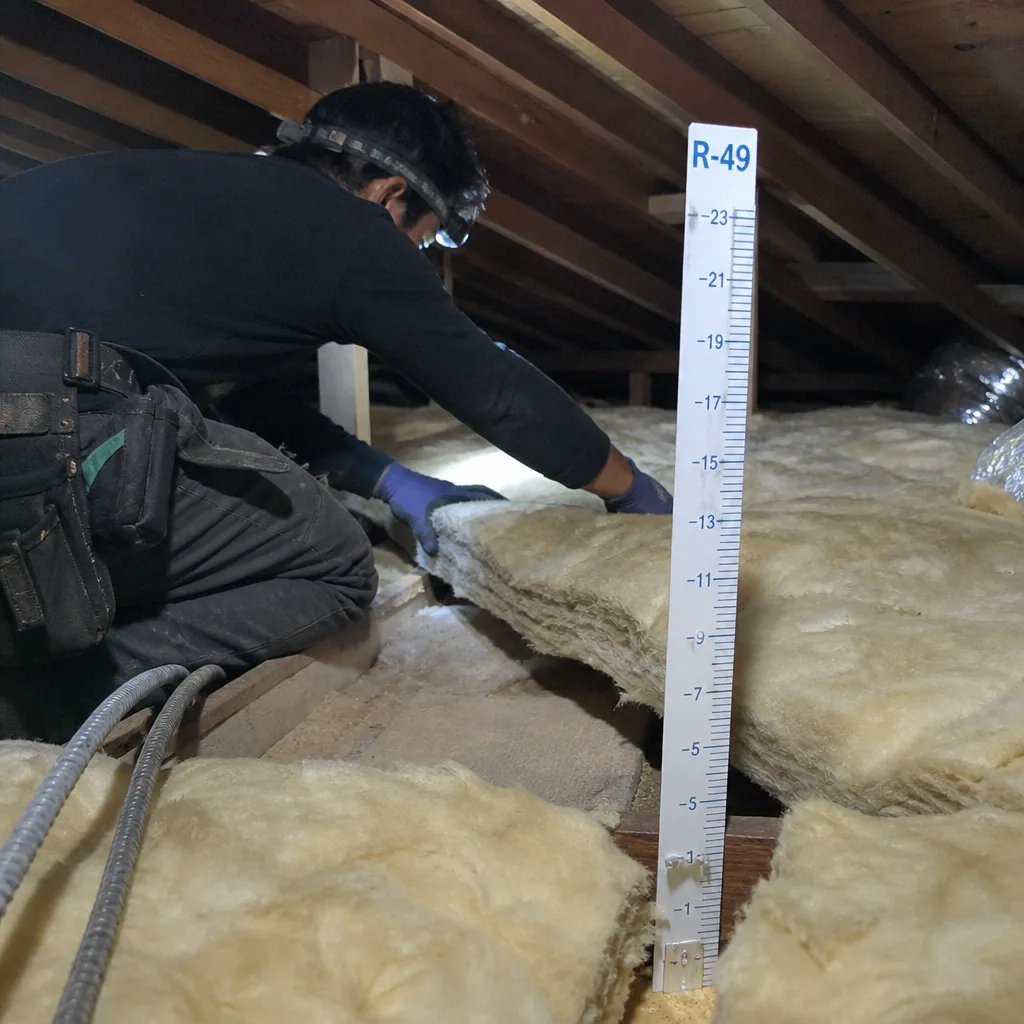
We remove existing material, inspect and air seal the attic floor, then install new insulation to the specified R-value with documented depth verification.
What Insulation Removal & Replacement Costs in Stanford
| Item | Typical range in Stanford |
|---|---|
| Contaminated insulation removal | $2,000 - $4,200 |
| Standard insulation removal (non-contaminated) | $1,200 - $2,600 |
| Removal + replacement with new material | $3,500 - $7,200 |
Is vermiculite insulation common in Stanford homes?
Pre-1980 construction near the historic core may contain vermiculite; we test before disturbing and follow EPA guidance if present. Call (650) 381-1512 for assessment - estimates are free and include a written price.
How long does insulation removal take?
Most Stanford attic removals finish in one day; replacement adds a second day. Contaminated material with full containment may extend to two days for removal alone.
Attic Air Sealing in Stanford
Stanford’s mid-century homes were built with continuous attic ventilation and minimal attention to the pressure boundary, meaning conditioned air escapes through top plates, wire penetrations, and can light housings that were never designed as airtight. The result is blower-door readings we routinely see above 4,000 CFM50 in these homes - roughly double what a sealed envelope of similar size should test. Air sealing is the prerequisite step we complete before any insulation touches the attic; blowing material over an unsealed floor traps air movement and can create moisture problems.
Top Plate & Penetration Sealing
Signs you need it
Dust streaks on attic insulation, cobwebs concentrated at wall-ceiling junctions, or rooms that are consistently colder than the thermostat setting indicate top plate leakage.
What it costs in Stanford
Sealing top plates, wire penetrations, and plumbing stacks in a typical Stanford attic runs $1,600-$3,200.
How we do it
We access each top plate bay, apply fire-rated foam or caulk to all penetrations, and verify with blower-door testing before closing.
Can Light & Duct Boot Sealing
Signs you need it
Recessed can lights that leak attic air into conditioned space, or duct boots that show dust accumulation at the ceiling interface, signal failed pressure boundaries.
What it costs in Stanford
Sealing can light housings with approved covers and duct boots with mastic in a standard Stanford home ranges $800-$1,800.
How we do it
We install fire-rated covers over IC and non-IC cans, seal with gasketed interfaces, and apply mastic to all duct boot connections with mesh reinforcement.
What Attic Air Sealing Costs in Stanford
| Item | Typical range in Stanford |
|---|---|
| Top plate & penetration sealing | $1,600 - $3,200 |
| Can light & duct boot sealing | $800 - $1,800 |
| Full attic air sealing (comprehensive) | $2,400 - $4,800 |
Can air sealing be done without removing insulation?
Partial access is possible, but complete top plate sealing requires moving or removing existing insulation to expose all junctions - we restore or replace insulation after sealing. Call (650) 381-1512 for a written scope and price.
Will air sealing alone lower my energy bills?
Yes - we document the change with before-and-after blower-door numbers, and Stanford’s climate makes air leakage reduction particularly impactful on cooling load.
Wall Insulation in Stanford
Stanford’s 1950s-1970s faculty housing was built with 2×4 walls and empty cavities in many cases, or with minimal fiberglass batts that have settled or degraded. The result is walls that conduct heat rapidly during the mid-day temperature peak and cool quickly after sunset, creating the uncomfortable swing that programmable thermostats cannot address. Wall insulation retrofits in Stanford require care with the university’s approval process and, in older structures, preservation-sensitive approaches that avoid exterior cladding disturbance.
Drill & Fill Wall Insulation
Signs you need it
Walls that are cold to the touch in winter, rooms with exterior walls that lag 5+ degrees behind interior rooms, or high heating bills despite moderate thermostat settings suggest empty or failed wall cavities.
What it costs in Stanford
Drill-and-fill cellulose or fiberglass in a typical Stanford single-story home runs $3,200-$6,400, with exterior siding repair included.
How we do it
We drill 2-inch holes at stud bay spacing, blow cellulose or fiberglass to verified density, plug with matching siding material, and document fill completeness with thermal imaging.
Injection Foam Wall Insulation
Signs you need it
Irregular wall cavities, balloon framing, or situations where blown material would settle unevenly indicate injection foam as the appropriate fill method.
What it costs in Stanford
Injection foam in a standard Stanford home ranges $4,000-$8,500 depending on wall area and cavity complexity.
How we do it
We access cavities through minimal exterior or interior penetration, inject slow-rise foam to verified fill, trim excess, and restore finish surfaces.
What Wall Insulation Costs in Stanford
| Item | Typical range in Stanford |
|---|---|
| Drill & fill (cellulose or fiberglass) | $3,200 - $6,400 |
| Injection foam wall insulation | $4,000 - $8,500 |
| Exterior wall insulation with air sealing | $5,500 - $10,200 |
Can wall insulation be added without removing drywall?
Drill-and-fill and injection foam both access cavities through small exterior or interior penetrations without full drywall removal; we match patching to existing finish. Call (650) 381-1512 for a written price.
Does wall insulation help with sound?
Dense-pack cellulose and injection foam both reduce airborne sound transmission between rooms and from exterior sources, a secondary benefit we note in our written scope.
Attic Cleaning & Rodent Proofing in Stanford
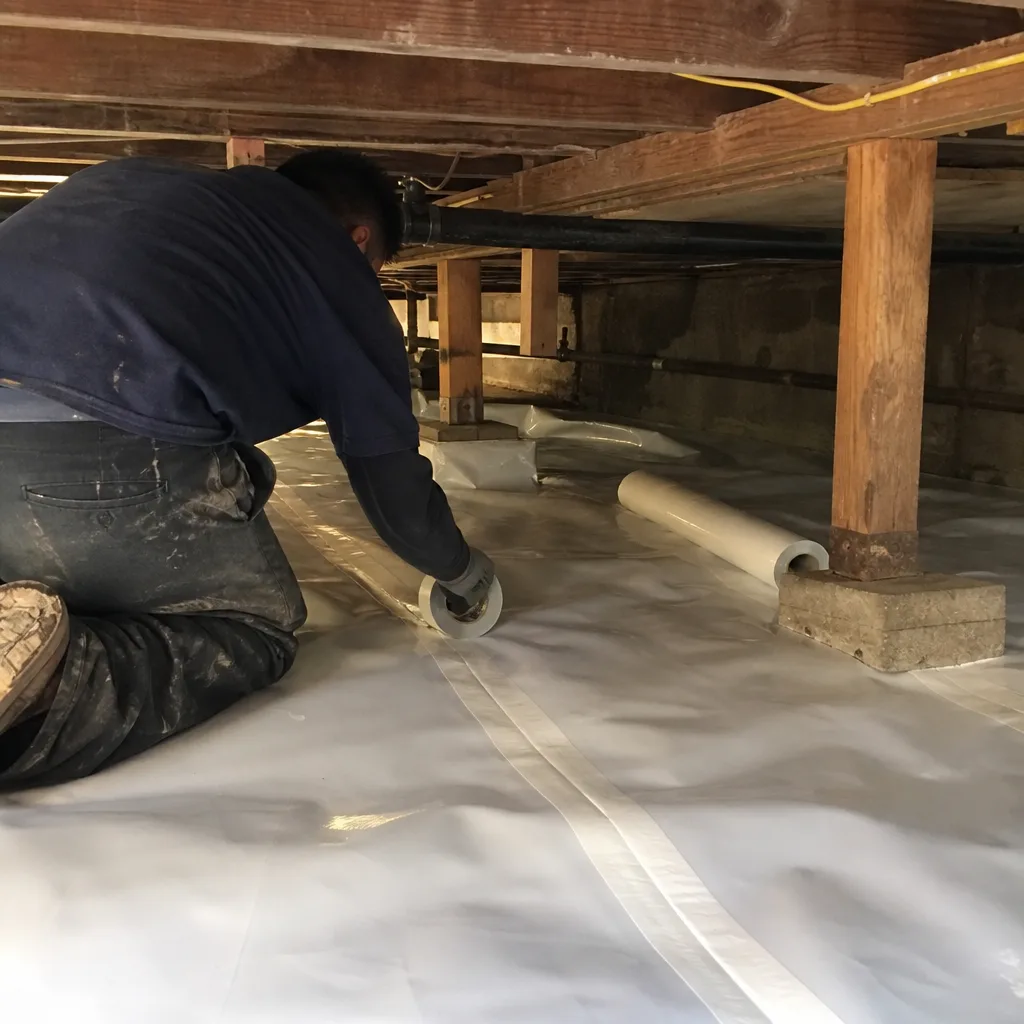
Stanford’s mature oak canopy and proximity to open space create sustained rodent pressure on attic spaces, particularly in the 1960s-era homes with multiple roof penetrations and deteriorated fascia. We find active infestations, contaminated insulation, and gnawed wiring in attics that have not been accessed in years - the university’s lease housing program sometimes reveals these conditions during turnover inspections. Our approach removes contamination, sanitizes the space, and excludes re-entry with materials that match the building’s aesthetic where visible.
Attic Sanitizing & Decontamination
Signs you need it
Visible rodent droppings, urine odor detectable at the attic hatch, or insulation with dark staining requires full sanitization before any new work proceeds.
What it costs in Stanford
Attic sanitizing and decontamination with HEPA removal, enzyme treatment, and substrate sealing in a typical Stanford attic runs $1,800-$3,600.
How we do it
We remove contaminated material under negative air, apply enzymatic sanitizer to all structural surfaces, seal accessible substrates, and document with photos before any insulation work begins.
Rodent Proofing & Exclusion
Signs you need it
Evidence of gnawing at soffits, droppings near attic hatches, or scratching sounds in ceiling voids indicate active entry points that require sealing.
What it costs in Stanford
Comprehensive rodent proofing with metal flashing, hardware cloth, and sealant at all identified entry points in a standard Stanford home ranges $1,200-$2,800.
How we do it
We inspect roofline, soffit, vent, and penetration points, install rodent-resistant materials at all access routes, and provide a written exclusion map with photo documentation.
What Attic Cleaning & Rodent Proofing Costs in Stanford
| Item | Typical range in Stanford |
|---|---|
| Attic sanitizing & decontamination | $1,800 - $3,600 |
| Rodent proofing & exclusion | $1,200 - $2,800 |
| Full attic restoration (cleaning + proofing + insulation) | $4,200 - $8,500 |
Do you handle live rodent removal?
We partner with licensed pest control for live trapping when active infestation is present; our scope begins after eradication, with cleaning and permanent exclusion. Call (650) 381-1512 to coordinate - estimates are free.
How long does attic cleaning take?
Most Stanford attic cleanouts finish in one day; decontamination with full sanitization and drying time may extend to two days. We schedule to minimize disruption to occupied homes.
Home Energy Audit in Stanford
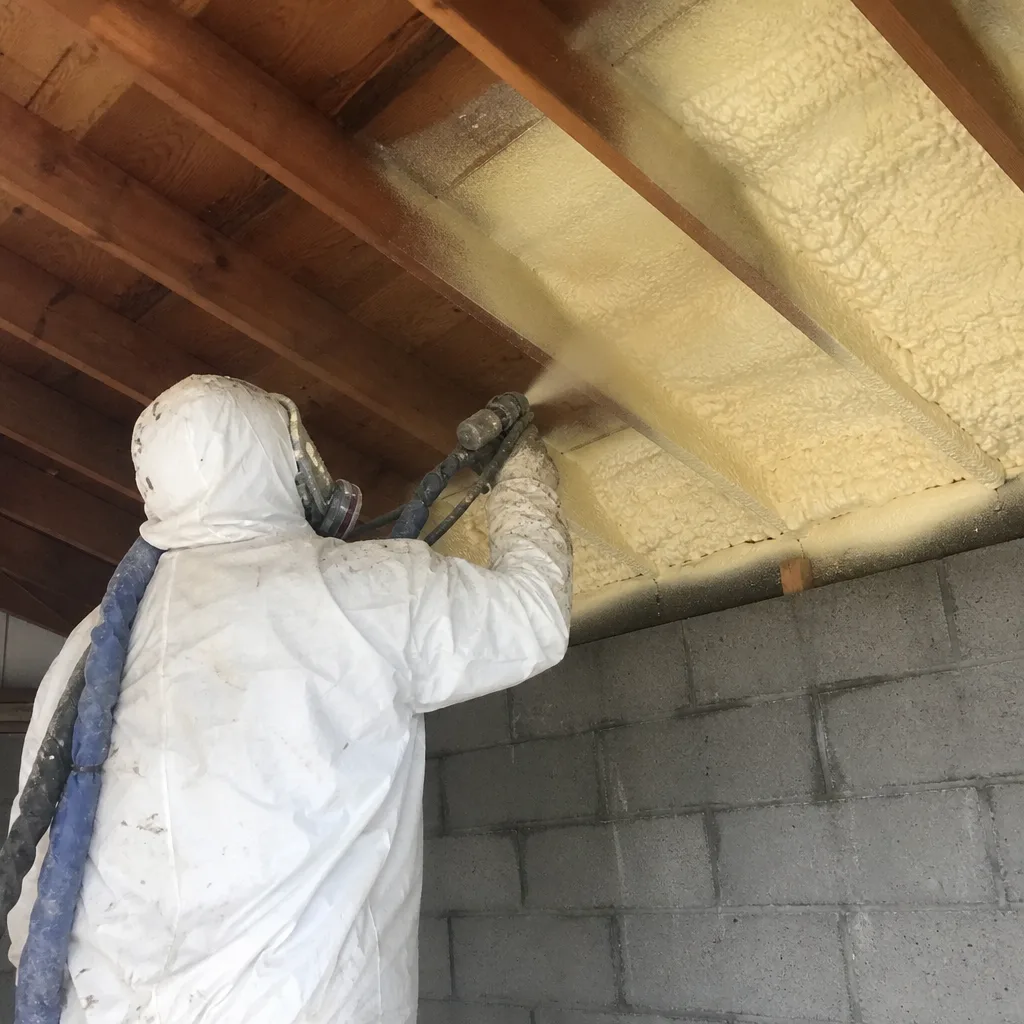
A home energy audit in Stanford identifies the specific envelope failures that drive high cooling loads in this inland microclimate, where original construction assumed minimal insulation need. The university’s SESI carbon-neutrality framework increasingly requires performance documentation for retrofit approvals, making the blower-door test and thermal imaging report valuable beyond their immediate diagnostic purpose. We deliver a written scope with prioritized recommendations and documented evidence, not a generic checklist.
Blower Door Test
Signs you need it
High energy bills with no obvious equipment failure, rooms that are consistently uncomfortable, or prior insulation work that did not improve comfort suggest unmeasured air leakage.
What it costs in Stanford
A standalone blower-door test with written report in Stanford runs $350-$650; the fee is credited toward any remediation work we perform.
How we do it
We install a calibrated fan in an exterior door, depressurize the house to 50 Pascals, and measure CFM50 - the single number that quantifies total envelope leakage.
Thermal Imaging Inspection
Signs you need it
Localized cold spots, suspected missing insulation, or moisture intrusion patterns that are not visible to the eye indicate infrared scanning is warranted.
What it costs in Stanford
Thermal imaging as part of a comprehensive audit ranges $450-$850; standalone imaging for specific issue identification runs $300-$550.
How we do it
We scan interior and exterior surfaces with a calibrated infrared camera during controlled temperature differential conditions, annotating images with R-value estimates and moisture indications.
What Home Energy Audit Costs in Stanford
| Item | Typical range in Stanford |
|---|---|
| Blower door test with report | $350 - $650 |
| Thermal imaging inspection | $300 - $550 |
| Comprehensive home energy audit | $650 - $1,200 |
Is a home energy audit required for Stanford retrofits?
Not by Santa Clara County, but Stanford’s Capital Planning office increasingly requires performance documentation for university-owned properties; our audit format meets that standard. Call (650) 381-1512 to schedule - written price before any work starts.
What does the audit report include?
Written blower-door number, thermal images with annotations, prioritized scope of recommended work with estimated ranges, and documentation suitable for utility rebate or university submission.
Brands We Service in Stanford
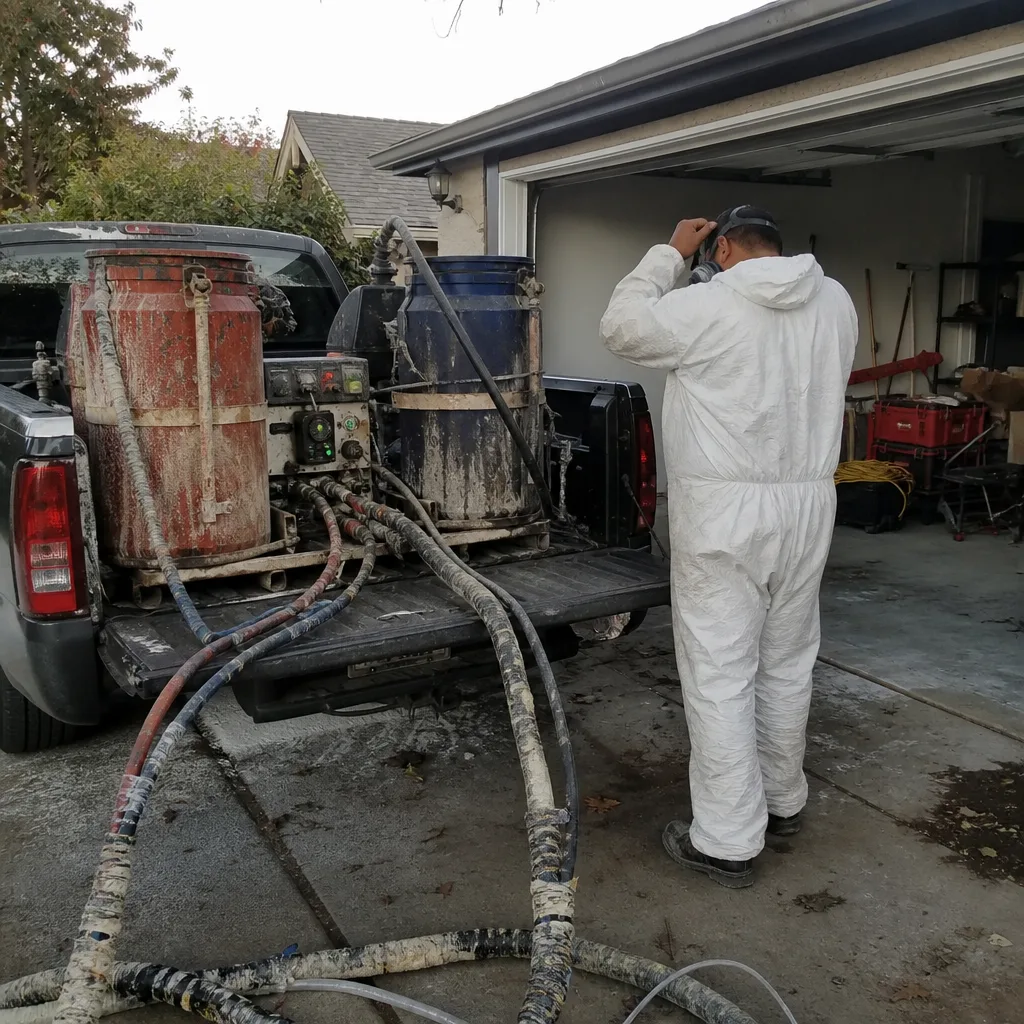
We source insulation and air-sealing materials from Owens Corning, Johns Manville, Knauf, Rockwool, CertainTeed, Icynene, Demilec, and GreenFiber - no proprietary lock-in means we specify what performs for your specific assembly. Common products for Stanford’s climate and construction types are stocked regionally, with most specialty orders arriving within three business days. See our brands for full specifications.
Pricing for Insulation in Stanford, CA
| Service | Typical range in Stanford |
|---|---|
| Crawl space vapor barrier | $1,800 - $3,400 |
| Full crawl space encapsulation | $3,200 - $6,800 |
| Attic radiant barrier | $1,400 - $2,800 |
| Radiant barrier roof deck | $2,200 - $4,000 |
| Contaminated insulation removal | $2,000 - $4,200 |
| Insulation removal + replacement | $3,500 - $7,200 |
| Attic air sealing (comprehensive) | $2,400 - $4,800 |
| Drill & fill wall insulation | $3,200 - $6,400 |
| Injection foam wall insulation | $4,000 - $8,500 |
| Attic sanitizing & decontamination | $1,800 - $3,600 |
| Rodent proofing & exclusion | $1,200 - $2,800 |
| Comprehensive home energy audit | $650 - $1,200 |
Prices in Stanford run toward the upper end of Bay Area ranges when university approval workflows add coordination time, or when historic-preservation constraints limit access methods. Every job begins with a written price under Haven Standard Clause 1 - no work starts without it - and we provide a free second opinion on any competing written estimate.
Neighborhoods We Serve in Stanford
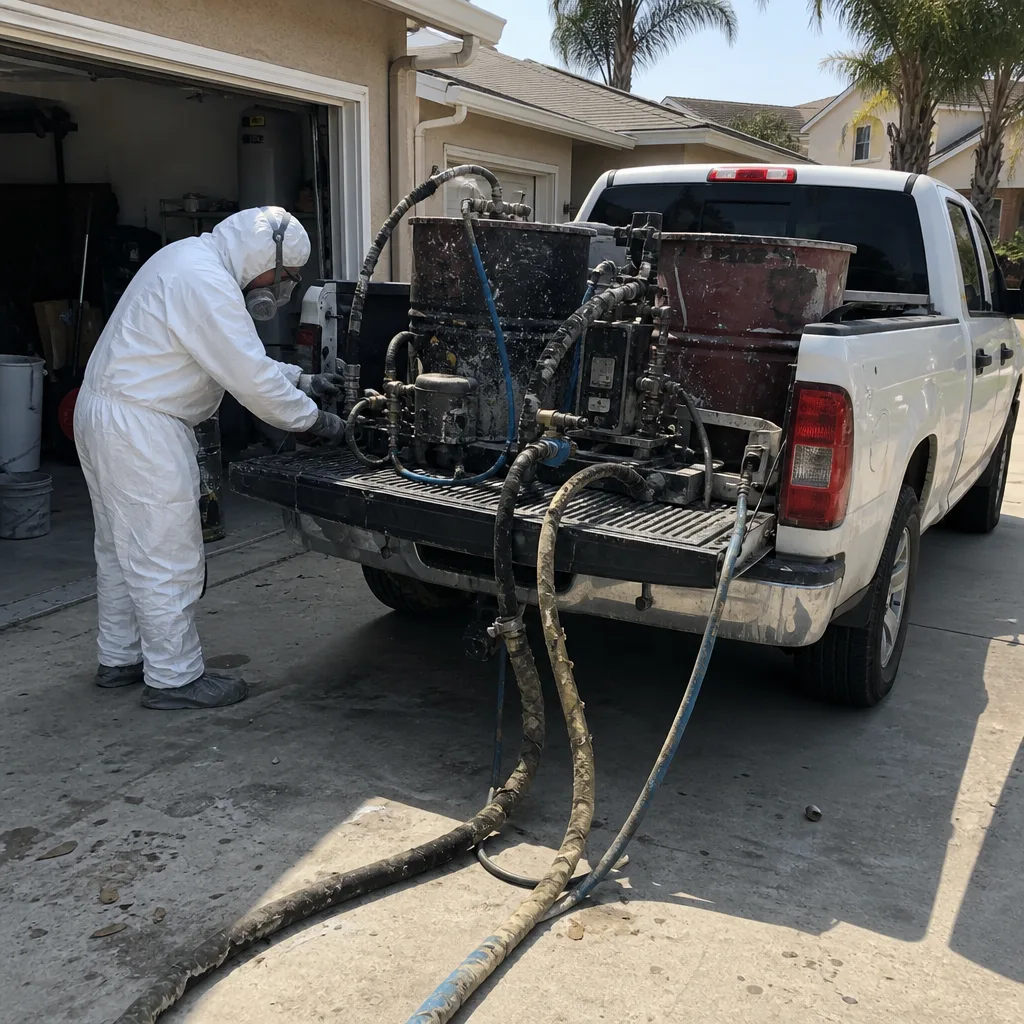
Our crews work throughout the Stanford campus area and surrounding faculty housing zones, with same-day response available for urgent conditions and scheduled work coordinated through Capital Planning when required.
- Escondido Village
- Faculty Ghetto (Columbia Street area)
- Manzanita Tract
- Stanford West (VA area)
- Historic Sandstone Quad vicinity
Service Area - Cities Near Stanford
We serve the full San Francisco Bay Area peninsula from our regional dispatch office, with regular work in Palo Alto, CA, Menlo Park, CA, Atherton, CA, and Los Altos, CA. Crews are routed daily throughout Santa Clara and San Mateo counties.
Serving Stanford, CA - Our Local Coverage Area
We’re based in the Stanford area and know this community well. Use the map below to see our service coverage - if you’re nearby, we can almost certainly help.
FAQs About Insulation in Stanford
Yes - for university-owned structures, which includes most residential housing, Stanford’s Capital Planning and Space Management office must approve the scope in parallel with Santa Clara County permits. We coordinate both approvals as part of our standard process; the homeowner or facilities manager does not handle this separately.
Our live answering takes calls 24/7, and we typically schedule assessments within 48 hours for standard requests; urgent moisture or rodent issues receive same-day prioritization when health or safety is at risk.
Our audits and retrofit documentation meet the performance-verification standards that Stanford’s carbon-neutrality framework requires; we provide blower-door numbers, thermal imaging, and written scopes formatted for university submission.
What happens when you call
- 1A real person answersNo phone trees - talk to a local insulation pro.
- 2You get an upfront price rangeHonest numbers before anyone is dispatched. No surprises.
- 3A background-checked tech heads outLicensed & insured, typically within 60-minute.
- 4You approve before work beginsNothing starts until you say go.
What Stanford Customers Say
"They air-sealed the attic floor before insulating and showed me the blower-door number before and after. The upstairs is finally the same temperature as downstairs."
- Marisol D."Two other companies quoted to blow more insulation on top of what was there. These were the only ones who said the existing material had to come out first, and explained why."
- Clifford E."They photographed rodent damage in the old insulation that we had no idea about, and priced the exclusion work separately so we could decide."
- Harriet N.