
Last updated September 24, 2026
How to Hire a Insulation Contractor in Union City: A Step-by-Step Guide
Of the insulation jobs that fail to deliver promised energy savings, independent studies put air-leak bypass - conditioned air escaping through unsealed gaps even through fully installed insulation - as the cause in more than half the cases. The contractor who skips the pre-job diagnostic is the one most likely to leave those bypasses in place. In Union City, where marine-layer moisture and summer inland heat create year-round envelope stress, a poorly scoped insulation job doesn’t just waste money; it traps moisture and accelerates rot. This guide will show you how to vet contractors, read their documentation, and demand the pre-work testing that separates performance-based installers from material-only crews, or explore more guides & resources on home performance.
Quick Answer
Hiring an insulation contractor in Union City starts with verifying a CSLB C-2 or B license, demanding a blower-door test before any work begins, and refusing to sign until you receive a written scope that lists air-sealing line items separately from insulation line items. Expect to pay $1.80 to $3.50 per square foot for most attic insulation jobs in Union City, with spray foam running higher. The right contractor will provide before-and-after blower-door numbers, material spec sheets with lot numbers, and a written warranty before anyone lifts a tool.
Table of Contents
- Why the Blower-Door Test Is the Single Most Predictive Question
- The 6-Question Vetting Script Every Union City Homeowner Should Use
- How to Read a CSLB License Lookup Result
- What a Written Scope of Work Must Contain Before You Sign
- Blower-Door Testing as a Contractual Deliverable
- Post-Job Documentation: What to Require Before Final Payment
- What Insulation Costs in Union City
- Union City Climate, Code, and Neighborhood Considerations
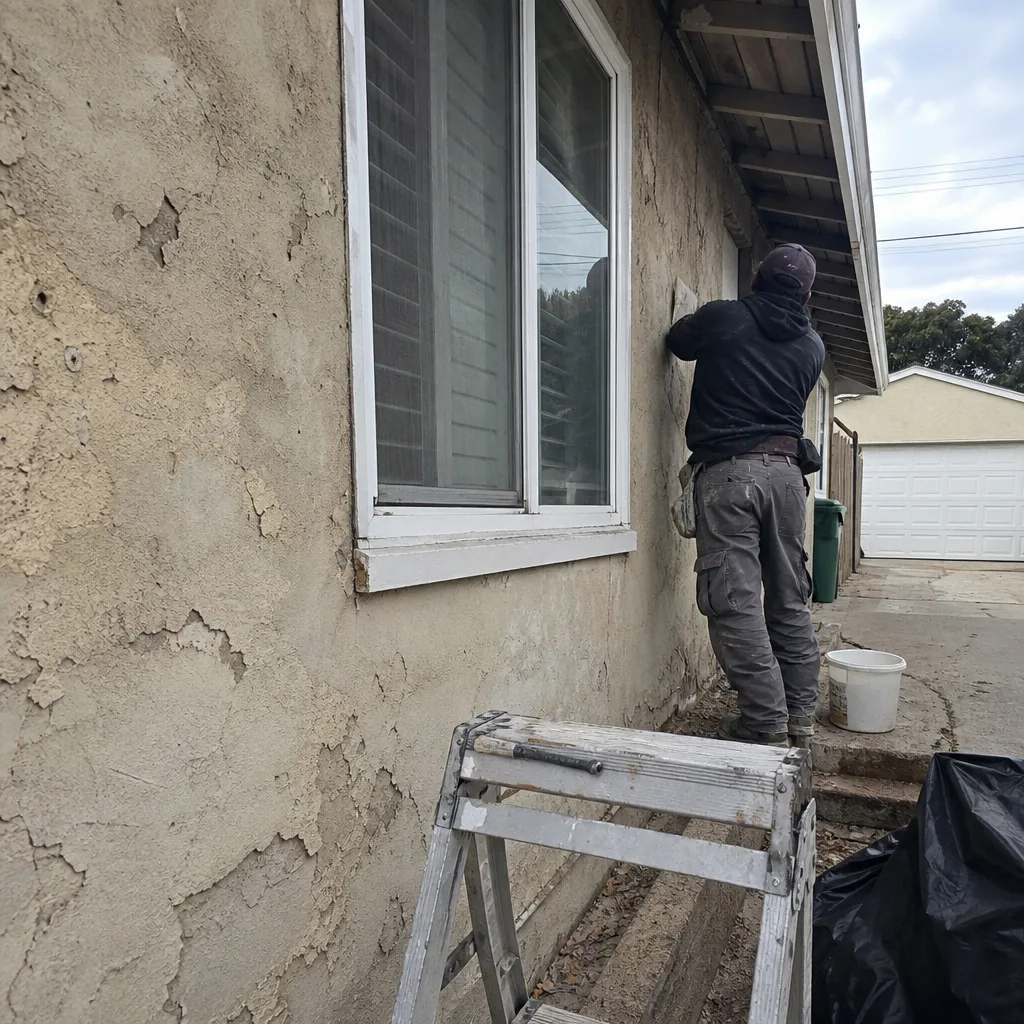 Before
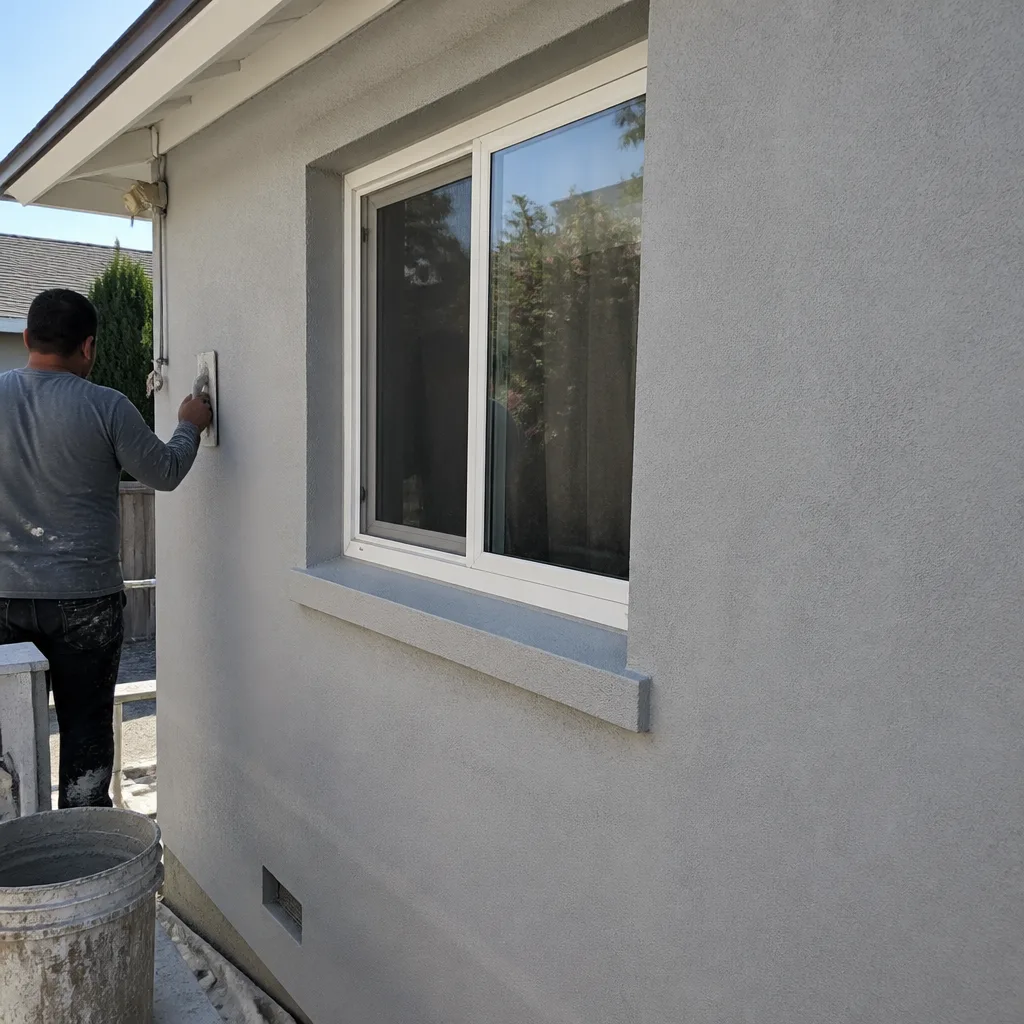 After
AfterWhy the Blower-Door Test Is the Single Most Predictive Question
The blower-door test is a pressurization reading that shows, in one number, how much air your building envelope is losing. A fan mounts in an exterior door frame, depressurizes the house, and measures airflow in CFM50 - cubic feet per minute at 50 Pascals of pressure difference. A typical 1970s Union City ranch in the Decoto or Alvarado Niles corridors might read 4,000 CFM50 before work. After proper air sealing and insulation, that same house should drop to 2,000 CFM50 or lower.
Here’s why this matters more than price or product brand. A contractor who blower-doors before work can pinpoint exactly where your conditioned air escapes: top plates where interior walls meet the attic, can-light housings, plumbing and electrical penetrations, chimney chases, dropped soffits. Without this map, a crew blows fiberglass or cellulose over those gaps. The insulation looks full. The energy bills don’t drop. The homeowner blames the R-value or the product, when the real failure was installation sequence.
We’ve seen this in Union City homes from the 1960s subdivisions near James Logan High to the newer construction in the Station District. The attic looks adequately insulated. The thermal camera tells a different story - warm air streaming past buried gaps, creating ghost patterns in the insulation surface. A contractor who skips the pre-test has no baseline, no accountability, and no way to prove they improved anything.
The predictive question is simple: “Will you run a blower-door test before any insulation goes in, and will you share the CFM50 number with me?” A contractor who hedges, who calls it “extra,” who says they “can if you want” - that’s a material installer, not a performance contractor. The right answer is immediate and unqualified: yes, it’s standard, and here’s what the number means.
At Topside Attic Insulation Union City home, we treat this as non-negotiable. Under Haven Standard: Arrive on schedule, you get a named technician and a text when they are on the way. The blower-door test happens before any material is specified, and the CFM50 reading goes on your written scope.
The 6-Question Vetting Script Every Union City Homeowner Should Use
Print this. Use it on every phone call or consultation. The answers separate contractors who sell measurable performance from those who sell bags of material.
- “Will you run a blower-door test before specifying any work, and will you give me the CFM50 number?”
Acceptable: “Yes, we test every job and provide the reading on your written scope.” Unacceptable: “We can add that” or “It’s not usually necessary.” A contractor who doesn’t baseline your envelope cannot prove they improved it. - “Will air sealing be completed before insulation is installed, and are those separate line items on the quote?”
Acceptable: “Air sealing is prerequisite, not optional, and it’s listed separately so you see exactly what each phase costs.” Unacceptable: “We include it in the insulation price” or “Most homes don’t need much sealing.” In Union City’s older stock, they do. - “What does your written scope include beyond the material type and R-value?”
Acceptable: Detailed air-sealing locations, prep work, protection measures, cleanup, disposal, permit handling, and post-test verification. Unacceptable: “We keep it simple” or “Our guys know what to do.” - “Will I receive before-and-after documentation, and what format?”
Acceptable: “You’ll get a Documented Photo Record, blower-door readings, material spec sheets with lot numbers, and permit sign-off if required.” This is standard at our company, not available on request. Unacceptable: “We can take some pictures if you want” or “The inspector signs off, that’s your documentation.” - “What is your warranty, and when do I receive it in writing?”
Acceptable: “Our 365-Day Done Right Promise - if it’s not done right, we make it right - backed by a written scope and written warranty delivered before anyone starts.” Unacceptable: “We stand behind our work” with no written terms. - “Can you explain your CSLB classification and what it covers?”
Acceptable: Clear explanation of C-2 (Warm-Air Heating, Ventilating and Air-Conditioning) or B (General Building Contractor) with insulation as a permissible specialty, plus willingness to show the license lookup. Unacceptable: “We’re fully licensed” without specifics, or deflection.
A contractor who answers all six with specificity is managing a process, not winging it. That’s who you want in your attic or crawl space.
How to Read a CSLB License Lookup Result
California requires any insulation contractor doing work over $500 to hold a CSLB license and follow Insulation Permits, Codes & Inspections in CA: What You Need to Know. The lookup takes 90 seconds at cslb.ca.gov and prevents most of the horror stories we hear about in Union City. Here’s what to check and what it means.
License Status: Must show “Active.” Suspended or expired licenses mean no legal right to contract, and your homeowner protections vanish.
Classification: For insulation work, look for C-2 (Warm-Air Heating, Ventilating and Air-Conditioning) or B (General Building Contractor). The C-2 classification explicitly covers insulation systems as part of HVAC envelope work. A B contractor can perform insulation as a specialty within a broader building project, but cannot hold themselves out as an insulation specialist unless the work is part of a larger contract. If you see only a C-36 (Plumbing) or C-10 (Electrical) classification, that contractor is not legally qualified to perform insulation as a standalone service.
Bond and Insurance: The lookup shows a $25,000 contractor’s bond and workers’ compensation coverage. Click through to verify both are current. In Union City, where many homes have limited attic access and tight crawl spaces, workers’ comp isn’t bureaucratic box-checking - it’s your shield if someone gets hurt on your property.
Disciplinary Actions: Scroll to the bottom. Any suspension, probation, or citation appears here. A pattern of complaints around scope disputes or incomplete work is a red flag that written documentation requirements won’t solve.
Workers’ Compensation Exemption: If the license holder has no employees, they may carry an exemption. This is legal but risky for you. An exempt sole operator with no crew might subcontract unpredictable labor, or might personally handle hazardous materials like spray foam without backup. We don’t recommend it for jobs requiring attic or crawl-space entry.
We’ve been independently owned and operated under The Haven Standard since 2016, and we show our CSLB lookup to every prospective customer who asks. No contractor should hesitate.
What a Written Scope of Work Must Contain Before You Sign
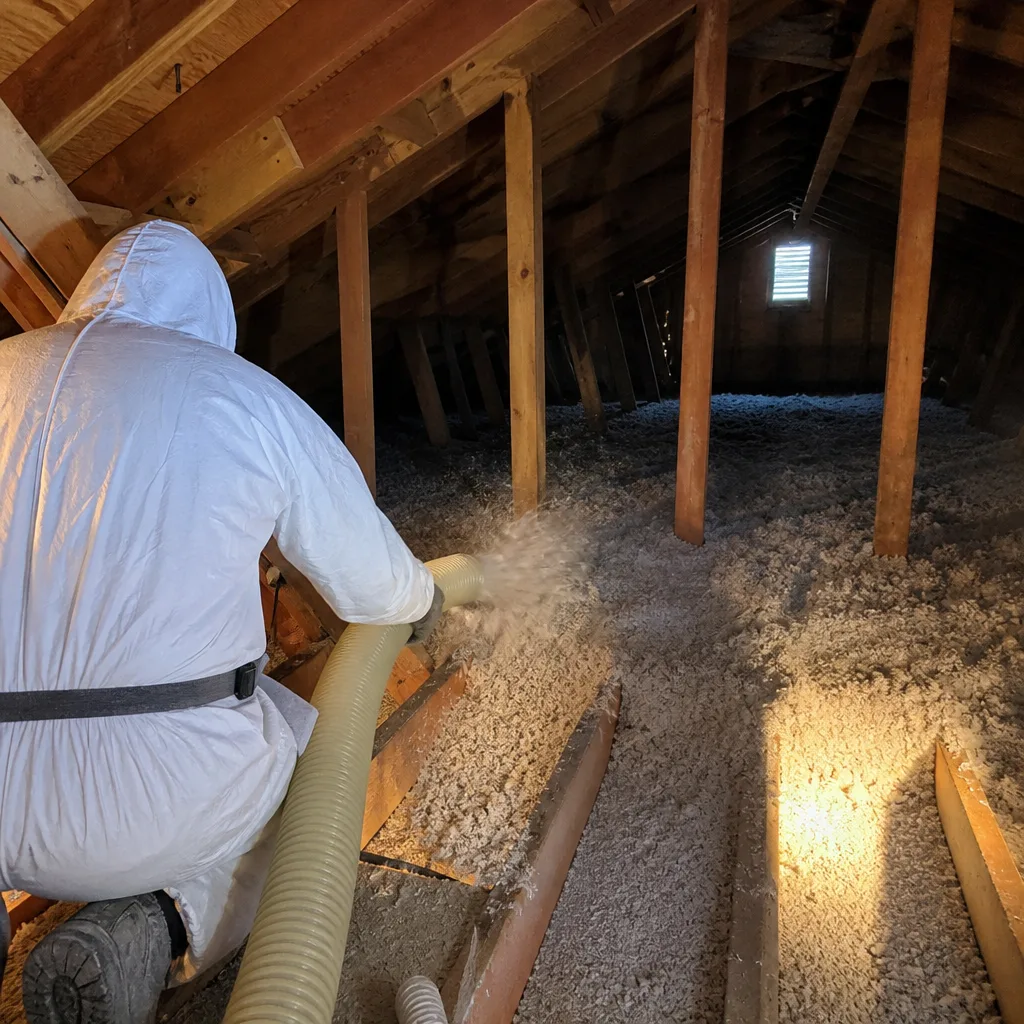
Haven Standard Clause 1: flat price, written scope, written warranty before anyone lifts a tool. This isn’t marketing language. It’s the only way a homeowner can verify that what was promised is what was delivered. Here’s what belongs in that document.
Air-Sealing Line Items Listed Separately From Insulation Line Items
This separation is non-negotiable. A scope that bundles “attic insulation” at a single price obscures whether air sealing was performed at all. The written scope should specify:
- Top plate sealing at all interior wall/ceiling junctions
- Can-light enclosure or sealing - IC-rated fixtures versus non-IC require different treatments
- Plumbing and electrical penetration sealing
- Chimney chase dam and fire-rated barrier
- Dropped soffit and bulkhead blocking
- Attic access hatch weatherstripping and insulation
Each item gets a line, a description, and a material spec. “Seal penetrations” is not sufficient. “Seal electrical penetrations with fire-rated caulk, seal plumbing penetrations with expanding foam appropriate for pipe material” is.
Insulation Line Items With R-Value, Material, and Coverage Area
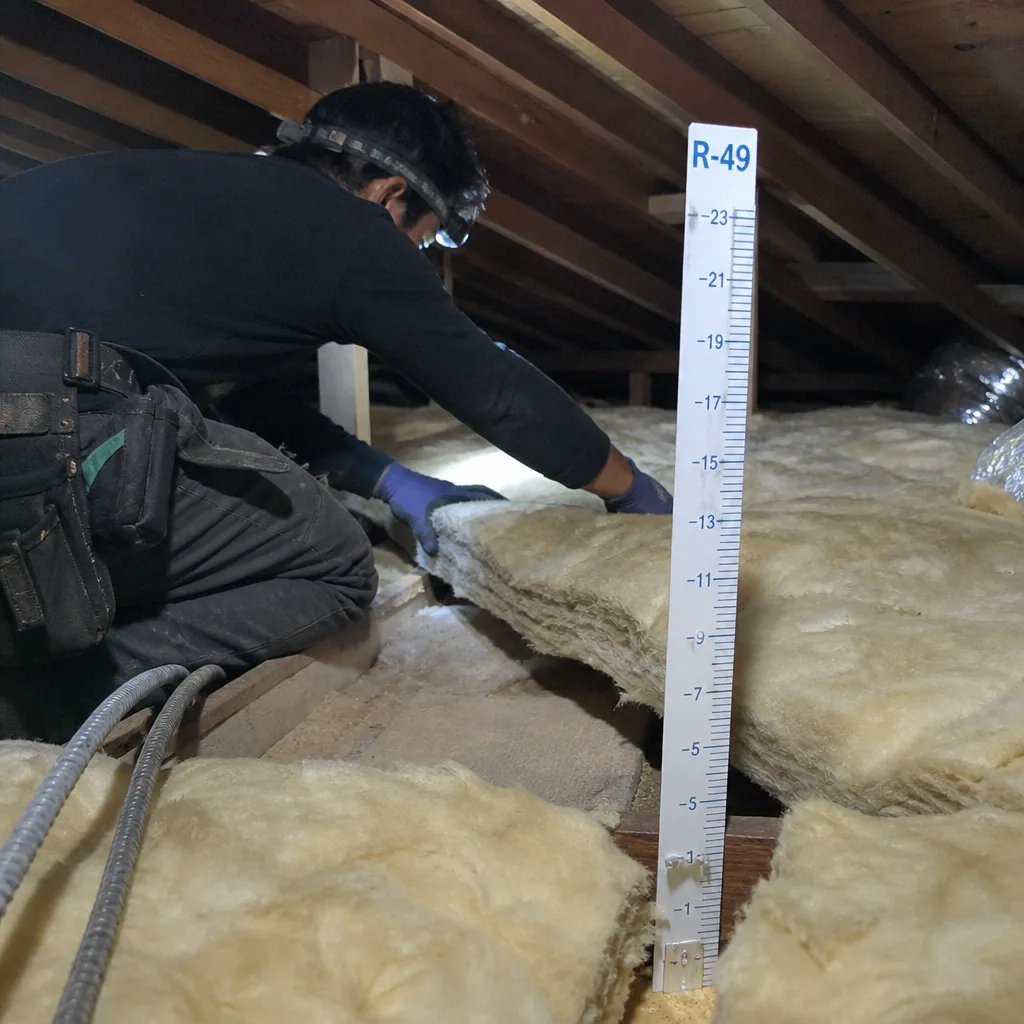
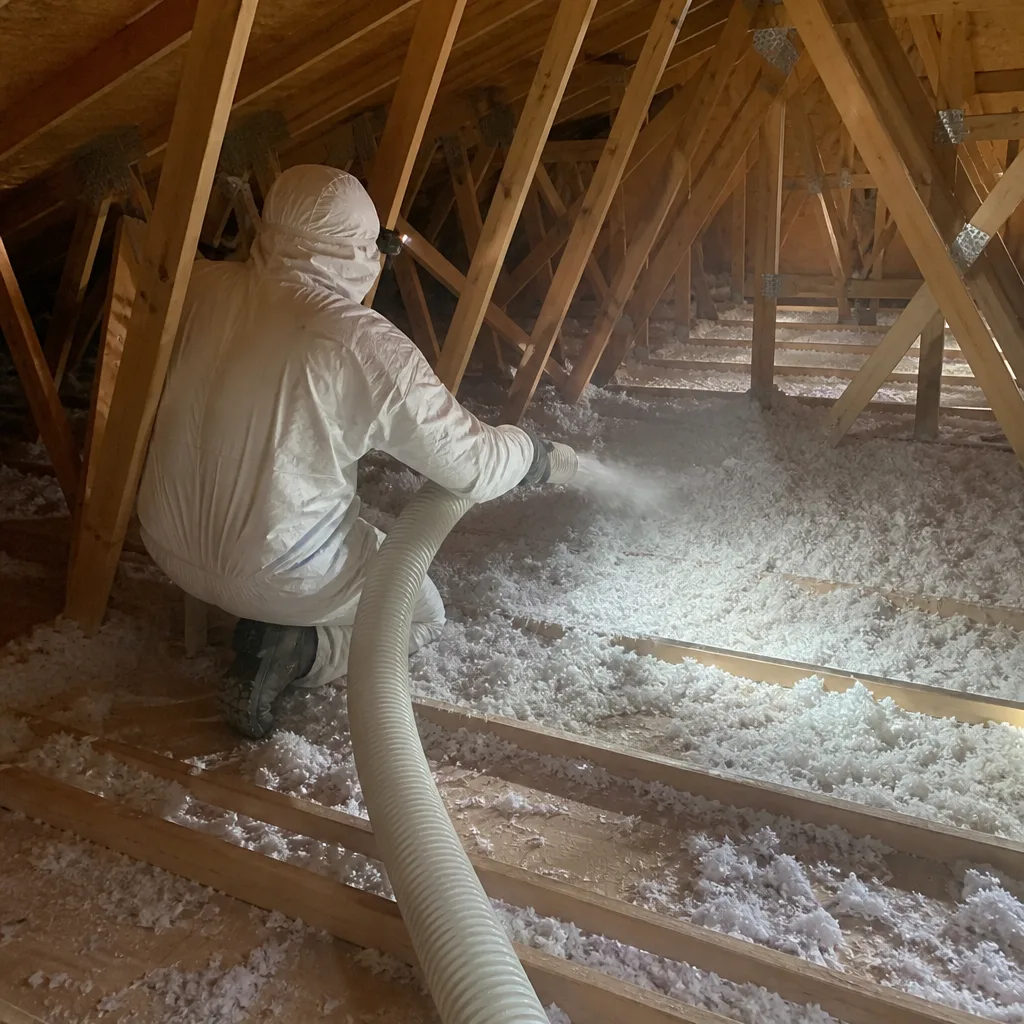
The scope should state: insulation type (fiberglass batts, blown cellulose, open-cell spray foam, closed-cell spray foam), manufacturer and product line (Rockwool Comfortbatt, CertainTeed InsulPure, Icynene Classic Plus, Demilec Heatlok HFO High Lift), installed R-value, and square footage of coverage. Vague terms like “up to code” or “R-38 equivalent” are unacceptable. Union City falls in California Climate Zone 3, where Title 24 requires R-38 to R-49 in vented attics depending on construction type. The scope should cite the specific compliance path.
Preparation and Protection
Floor protection, containment for blown material, ventilation during spray foam curing, and occupant safety measures during installation. Spray foam in particular requires evacuation during curing and re-entry timing based on manufacturer specifications.
Cleanup, Disposal, and Restoration
Old insulation removal, rodent dropping remediation if applicable, disposal method, and any drywall or access repair. In Union City’s older neighborhoods near the Hayward border, we’ve encountered attics with decades of compacted cellulose, rodent activity, and abandoned wiring. The scope must state who handles what.
Permit and Inspection
Whether a permit is required, who pulls it, and what inspections are anticipated. In Union City, attic insulation replacement in existing construction often does not require a permit if no structural modification occurs, but spray foam and certain air-sealing work may trigger Title 24 compliance documentation. The scope should state the contractor’s responsibility explicitly.
Pricing Structure
Flat price for defined scope, with change-order provisions. No open-ended hourly rates. No “plus materials” arrangements. Written Price Before Any Work Starts, always.
We deliver this document at every Attic Insulation in Union City consultation. The customer reviews it, asks questions, and signs only when every line is understood. No work starts without it.
Blower-Door Testing as a Contractual Deliverable
Most Union City homeowners encounter the blower-door test as a specialty service with a separate fee - if they encounter it at all. That’s backwards. The test should be a standard contractual deliverable, built into every insulation job that claims to improve energy performance.
What to Request in Writing
Your contract or written scope should include these specific blower-door provisions:
- Pre-work baseline test: CFM50 reading taken after setup but before any air sealing or insulation work. This establishes your home’s starting leakage rate.
- Post-air-sealing interim test: CFM50 reading taken after air sealing is complete but before insulation is installed. This isolates the air-sealing contribution and verifies that bypasses were actually addressed.
- Post-work final test: CFM50 reading taken after all work is complete. This documents the total improvement and provides the number you’ll reference if performance doesn’t match prediction.
- Written report with all three numbers: Not a verbal summary. A document with dates, conditions, equipment calibration status, and the CFM50 readings.
What the Numbers Should Show
A well-executed air sealing and insulation job in a typical Union City home should reduce CFM50 by 30% to 50%. Older homes with significant bypasses sometimes achieve 60% reduction. Newer, tighter construction might start lower and achieve 20% to 30%. The key is measurable change, not a magic number. A contractor who promises “your house will pass code” without a baseline is selling hope, not performance.
ACH50: The Other Number
CFM50 converts to ACH50 - air changes per hour at 50 Pascals - by dividing by house volume. ACH50 is the metric used in most energy codes and certification programs. Your contractor should provide both. A typical 1970s Union City home might start at 15 ACH50 and target 7 ACH50 or lower. New construction in California aims for 3 ACH50 or less under Title 24.
When to Withhold Final Payment
If the contract specifies blower-door verification and the contractor cannot or will not provide post-work numbers, you have not received the contracted deliverable. This is not a minor paperwork issue. It’s the difference between documented performance and a guess. Under Haven Standard, we publish before-and-after blower-door numbers on every applicable job so the homeowner can verify the air-sealing result. No number, no proof.
Post-Job Documentation: What to Require Before Final Payment
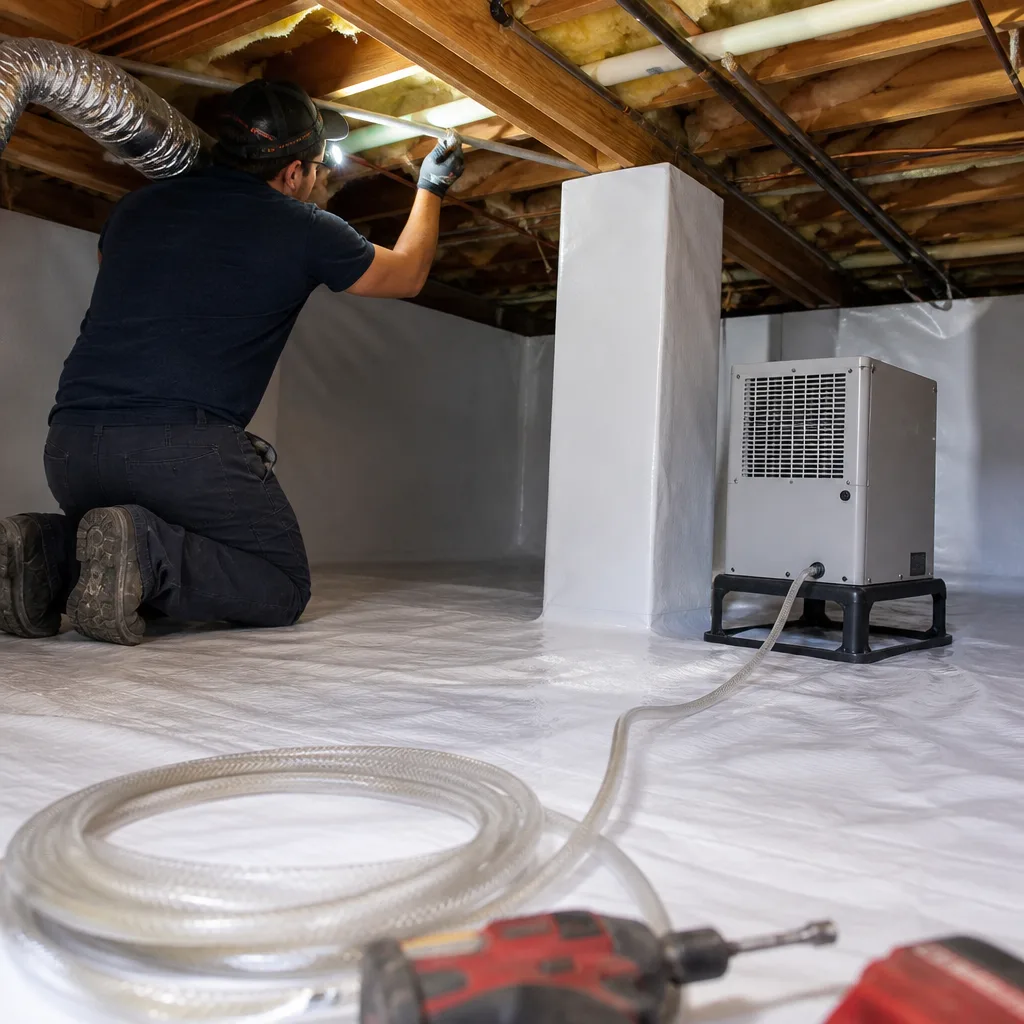
The job isn’t done when the crew leaves. It’s done when you hold a complete documentation packet that lets you verify what was installed, prove it was done correctly, and enforce your warranty if needed. Here’s what belongs in that packet.
Before-and-After ACH50 Numbers
The post-work blower-door report, with pre-work baseline for comparison. This is your proof of performance improvement. File it with your home records; it adds value at sale and protects you if energy bills don’t drop as predicted.
Material Spec Sheets With Lot Numbers
Manufacturer data sheets for every insulation product installed, with lot numbers that match the batch used on your job. This matters for warranty claims, for health concerns if product defects emerge, and for future remodeling when you or a subsequent contractor needs to match or remove material. We source materials from Owens Corning, Johns Manville, Knauf, Rockwool, CertainTeed, Icynene, Demilec, and GreenFiber - no proprietary product lock-in - and we document what we used on your specific job.
Documented Photo Record
Time-stamped photos of key work phases: attic condition before work, air-sealing locations with material visible, insulation installation showing depth and coverage, and completed work. This is included on every job at our company, not available on request. It protects both parties from disputes about what was actually done in spaces the homeowner rarely enters.
Permit Sign-Off
If a permit was pulled, the final inspection approval. In Union City, this comes from the Building Division at the Civic Center campus. Keep it with your home records. Unpermitted work can complicate sales, insurance claims, and future permits.
Written Warranty
The 365-Day Done Right Promise - if it’s not done right, we make it right - backed by a written scope and written warranty delivered before anyone starts. The warranty should specify coverage period, what constitutes a defect, response time for claims, and whether repair or replacement is the remedy. Vague “satisfaction guaranteed” language is not a warranty. Specific terms are.
Invoice Marked “Paid in Full”
Only after you verify all documentation. Not before.
What Insulation Costs in Union City
Price transparency is a core Haven Standard value. For a deeper dive on pricing factors, see our Insulation Cost Breakdown: The Union City Homeowner’s Reference for 2026. Here’s what most attic insulation jobs in a home this size run between, based on our work across Union City from the flatlands near the Bay to the hills toward Niles Canyon.
| Service Type | Typical Range (Union City) | What Drives Price |
|---|---|---|
| Attic air sealing only | $800 - $2,200 | Attic size, accessibility, number of penetrations, existing insulation condition |
| Blown-in cellulose or fiberglass (add to existing) | $1.80 - $2.80/sq ft | R-value target, attic prep needs, access difficulty |
| Blown-in insulation (complete replacement) | $2.50 - $3.50/sq ft | Removal and disposal, decontamination if rodent activity, air sealing prerequisite |
| Open-cell spray foam (roof deck) | $3.50 - $5.50/sq ft | Thickness, roof geometry, ventilation strategy, occupant vacating requirements |
| Closed-cell spray foam (limited application) | $5.00 - $7.50/sq ft | Thickness, substrate condition, moisture management, fire-rated coating if required |
| Crawl space encapsulation | $4,500 - $12,000 | Linear footage, vapor barrier thickness, dehumidification, wall insulation |
These ranges reflect Union City’s specific market: labor costs aligned with Alameda County, material transport from East Bay distribution, and the prevalence of 1950s-1980s construction with complex attic geometries and limited access. Homes in the newer Station District or near the Union City BART expansion may have different baseline conditions.
We provide a Free Second Opinion on Any Written Estimate - bring us a competing quote; we will read it with you. Our Written Price Before Any Work Starts means the number on your scope is the number on your invoice. No change orders unless you change the scope.
For Crawl Space Encapsulation & Vapor Barrier in Union City or Spray Foam Insulation in Union City, the same pricing transparency applies. Call (650) 381-1512 for an exact quote - estimates are free.
Union City Climate, Code, and Neighborhood Considerations
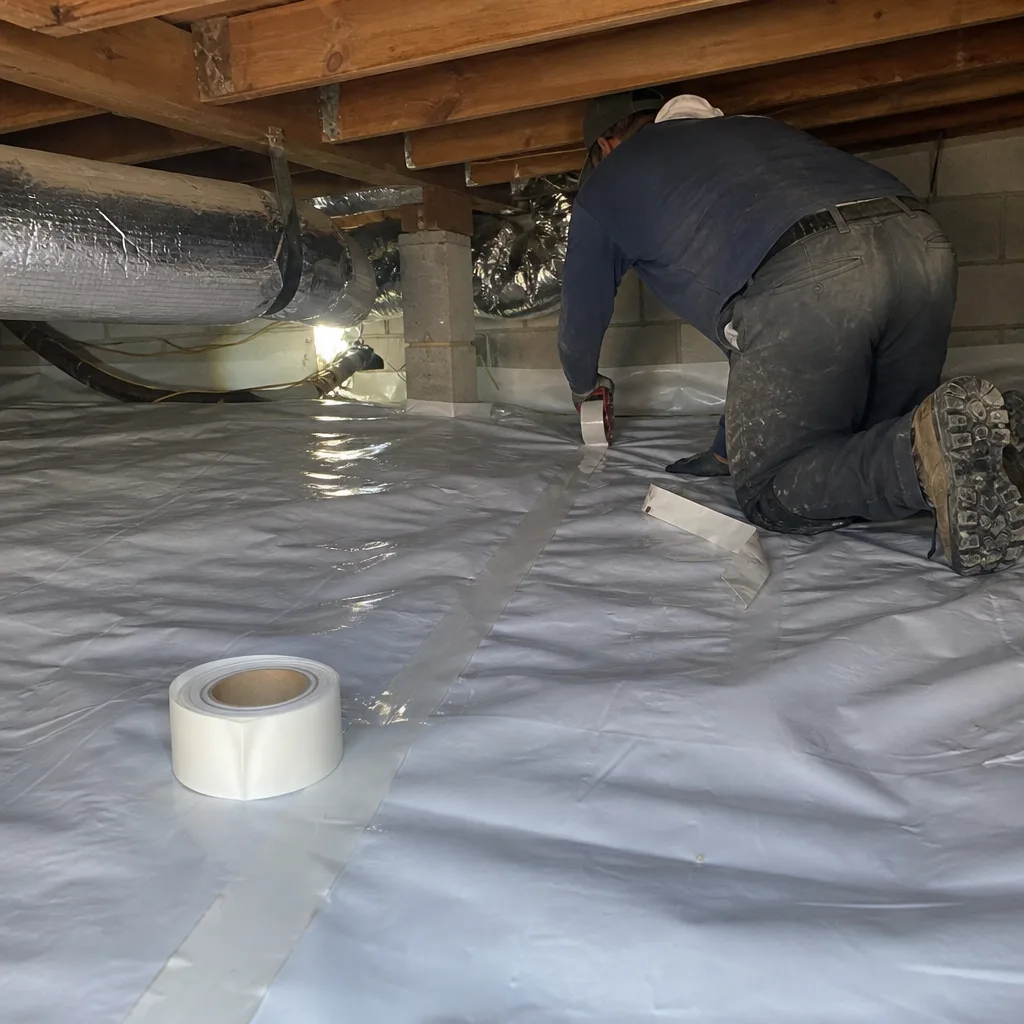
Union City sits at a geographic inflection point where marine influence from San Francisco Bay meets inland heat radiating from the Central Valley. This creates specific envelope challenges - and Insulation Warning Signs: A Union City Homeowner’s Reference Guide can help you spot them - that a generic insulation approach misses.
Climate Zone 3 With Microclimate Variation
California Energy Commission Climate Zone 3 covers Union City, requiring R-38 to R-49 in vented attics. But the flatlands near the Bay - Decoto, Alvarado Niles, the industrial corridor - experience more marine-layer humidity and less temperature swing. Attics here rarely bake, but they stay damp longer. Vapor management matters more than radiant barrier reflection. The hillside neighborhoods toward Niles Canyon see wider daily temperature swings and more solar gain. Radiant barrier installation and higher R-values pay back faster there.
Title 24 and Existing Construction
New construction and major alterations trigger current Title 24 standards. Existing homes with insulation replacement alone often don’t require full compliance, but any work that involves opening walls, modifying HVAC, or changing the thermal envelope may trigger HERS verification or other compliance documentation. A contractor who doesn’t know the difference between alteration and repair can cost you thousands in unnecessary testing or, worse, leave you non-compliant.
Neighborhood-Specific Construction Types
The 1950s-1960s ranch homes south of Alvarado Boulevard typically have simple gable roofs, minimal attic access, and original R-19 or less. The 1970s-1980s split-levels and two-stories near James Logan High have complex attic geometries with multiple planes and kneewalls that trap air. The newer townhomes and condos near the BART station have sealed attics and packaged HVAC units where spray foam on the roof deck is often the only viable approach. Each type demands different sequencing, different material selection, and different testing protocols.
Moisture and Mold Risk
Union City’s combination of marine humidity and clay-heavy soils creates crawl space moisture problems that attic insulation alone won’t solve. We’ve found homes in the flatlands where attic air sealing actually worsened indoor humidity by reducing the accidental ventilation that was previously drying the space. The fix isn’t to skip sealing - it’s to address the whole envelope, including crawl space encapsulation and vapor barrier where groundwater intrusion or soil evaporation drives moisture.
Permit Practicalities
Union City Building Division operates from the Civic Center at 34009 Alvarado-Niles Road. Permits for insulation work, when required, typically process in 2-3 weeks with inspection scheduling through the city’s online system. A contractor who says “permits take too long, we’ll skip it” is exposing you to liability. A contractor who builds permit timelines into the project schedule is managing properly.
Common Mistakes to Avoid
- Prioritizing R-value over air tightness. An R-49 attic with open bypasses performs worse than an R-38 sealed attic. The blower-door number tells you what you actually got.
- Accepting “included” air sealing without line-item detail. If you can’t see what was sealed and verify it was done, it probably wasn’t. Demand separate line items with locations specified.
- Hiring based on lowest price per square foot. Material-only quotes ignore the labor-intensive air sealing that determines performance. A lower price often means skipped steps you can’t see.
- Ignoring crawl space conditions. In Union City’s flatlands, a damp crawl space pressurizes the house with moist air, undermining attic work. Address the whole envelope or accept partial results.
- Skipping the CSLB lookup. We’ve heard from Union City homeowners who discovered their contractor’s license was expired only after a dispute. The 90-second check prevents months of problems.
- Paying in full before documentation is delivered. The leverage shifts entirely to the contractor once your money is gone. Hold final payment until you hold every document specified in your contract.
- Assuming new construction was done right. Even homes built after 2010 in Union City have failed blower-door tests in our experience. Code compliance on paper doesn’t guarantee field execution.
When to Call a Professional
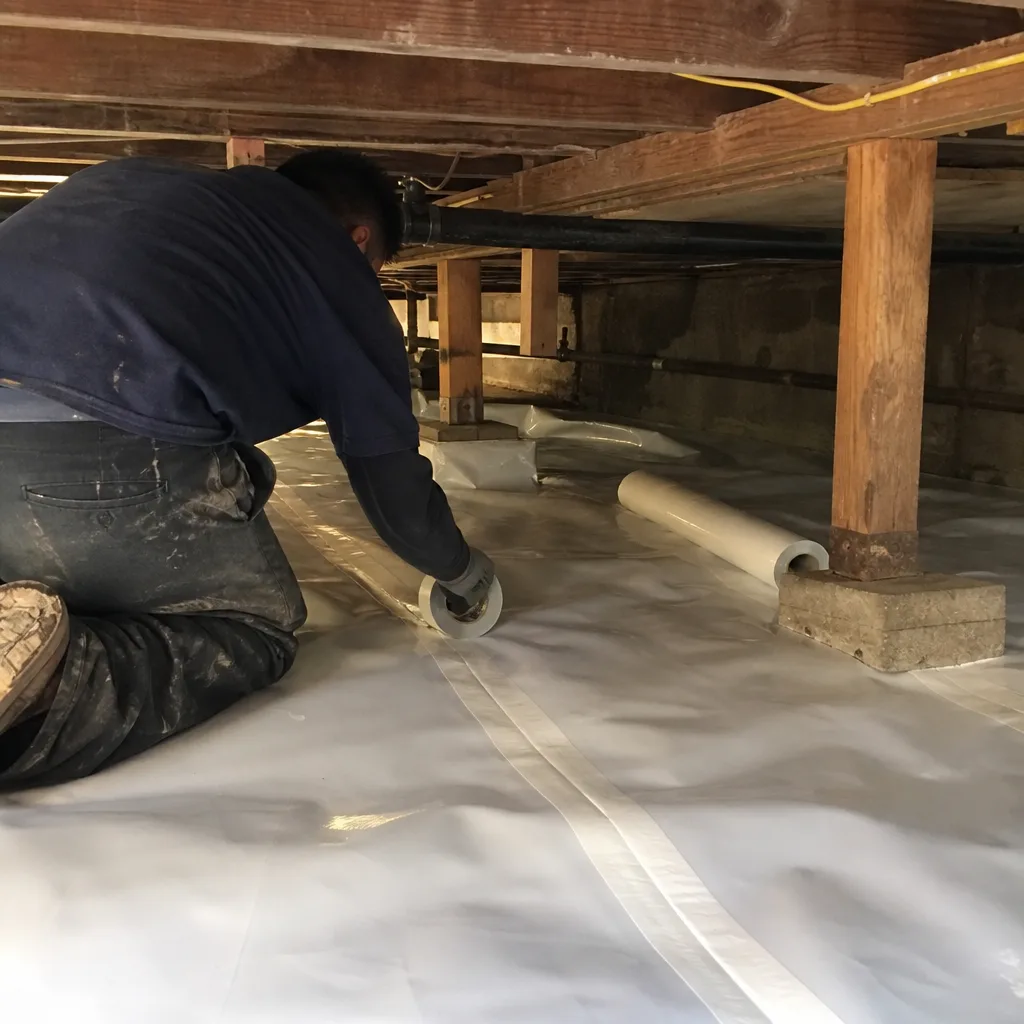
Call a professional when your energy bills trend upward despite stable usage, when rooms have persistent temperature stratification, when you feel drafts from outlets or light switches on exterior walls, or when you venture into your attic and see compressed, displaced, or moisture-stained insulation. These symptoms indicate envelope failure that DIY patching won’t resolve.
Topside Attic Insulation Union City offers free estimates in Union City - call (650) 381-1512. A live person answers 24/7, and you’ll get a named technician with a text when they’re on the way. Every estimate includes a blower-door assessment, a written scope with flat pricing, and no obligation. We’ve sealed and insulated 9,000+ homes since 2016, every one with a written price before work started and a documented record when the crew left.
Frequently Asked Questions
Most attic insulation jobs in Union City run between $1.80 and $3.50 per square foot for blown-in cellulose or fiberglass, with complete replacement including removal at the higher end. Spray foam on roof decks ranges from $3.50 to $5.50 per square foot for open-cell, and $5.00 to $7.50 for closed-cell. The exact price depends on attic accessibility, existing condition, and whether air sealing is needed. Call (650) 381-1512 for an exact quote - estimates are free.
Adding new insulation over old is cheaper upfront but often wastes money. Compressed, moisture-damaged, or rodent-contaminated insulation traps problems beneath new material and prevents proper air sealing. In most Union City homes built before 1990, we recommend removal and replacement with air sealing first. The higher initial cost typically pays back through measurable performance improvement documented by blower-door testing.
Minor repairs and top-offs can sometimes be completed same-day, but proper air sealing and full replacement requires scheduling for crew allocation and material staging. Emergency situations - like insulation saturated from roof leaks - we address within 24 hours to prevent mold and structural damage. Call (650) 381-1512 to discuss urgency and availability.
A blower-door test is a pressurization reading that shows, in one number, how much air your building envelope is losing. You need one because without a baseline measurement, no contractor can prove they improved your home’s performance. The test identifies hidden bypasses that insulation alone cannot fix, and the before-and-after numbers provide the documentation that protects your investment.
Attic insulation replacement in existing construction often does not require a permit if no structural modification occurs. Spray foam installation, alterations to thermal envelope components, or work triggered by other permitted projects may require Title 24 compliance documentation. A qualified contractor will assess your specific situation and handle permitting if required. Never let a contractor skip a required permit to save time.
Request the post-work blower-door report and compare it to the pre-work baseline. A significant CFM50 reduction - typically 30% to 50% - indicates effective air sealing. Also review the Documented Photo Record for visual evidence of sealed top plates, penetrations, and access points. If your contractor cannot provide these, the sealing may not have happened. Our 365-Day Done Right Promise covers exactly this scenario - if it’s not done right, we make it right.
The Bottom Line
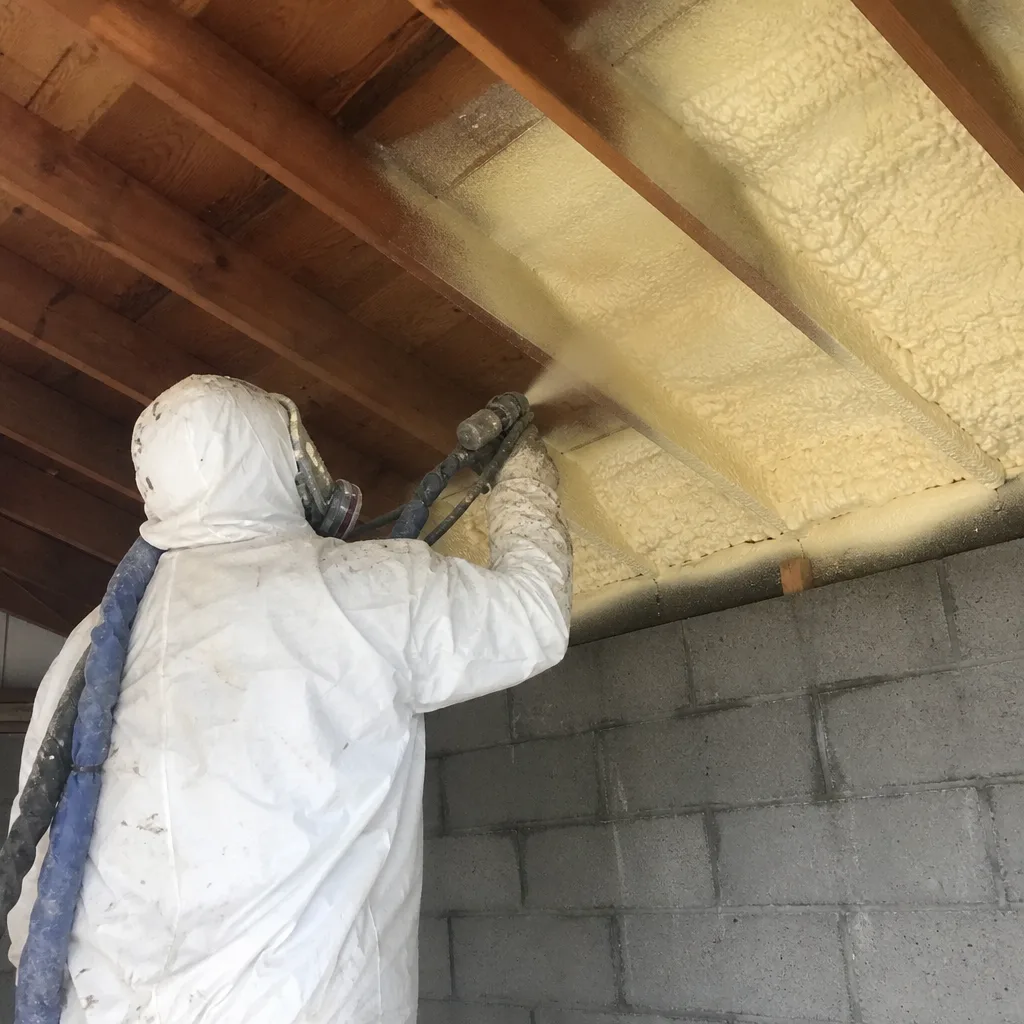
Hiring an insulation contractor in Union City comes down to one predictive question: will they test before they treat? The blower-door test separates contractors who sell measurable performance from those who sell material volume. Verify the CSLB license yourself. Demand a written scope with air sealing listed separately from insulation. Require post-job documentation with before-and-after numbers, material specs, and photos. And never pay in full until you hold every document that proves the job was done as promised. These steps take extra time upfront. They save years of regret, wasted energy, and disputed bills. In our experience across 9,000+ homes, the homeowners who ask these questions before signing are the ones who get what they paid for.
Written by Wes Okafor, Owner at Topside Attic Insulation Union City, serving Union City since 2016.